
'He was not highly educated. He was Class 10 passed but his intelligence was high. He could impress any group of people.'
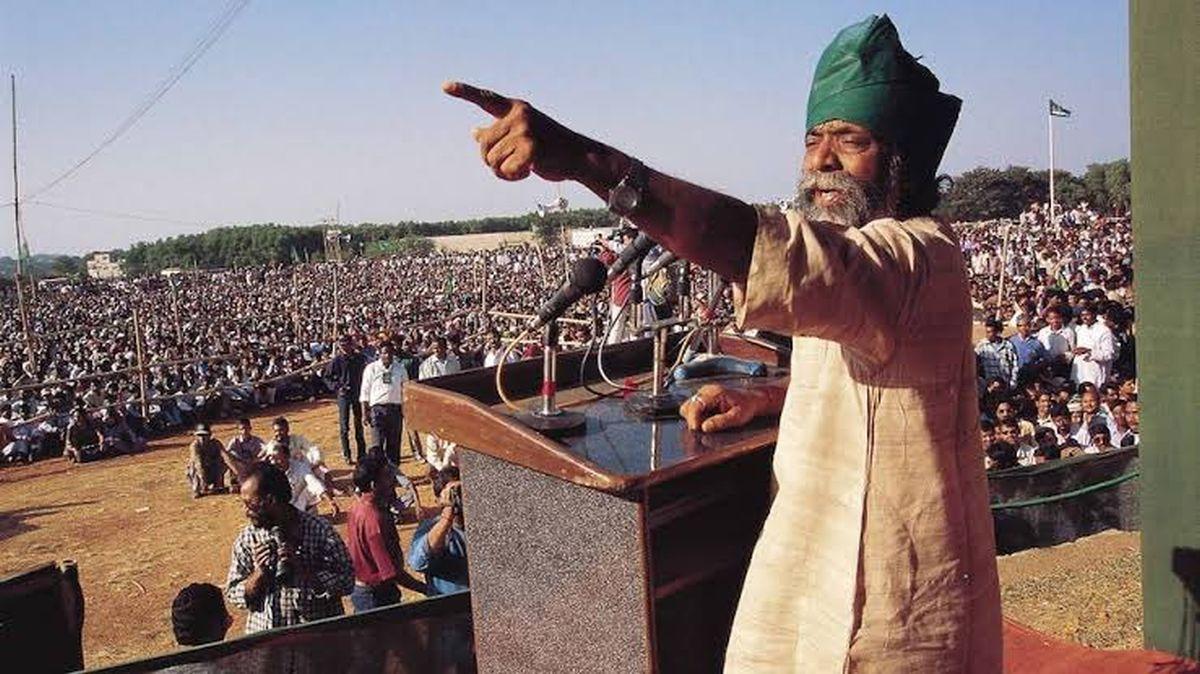
Veteran Jharkhand Mukti Morcha leader Stephen Marandi worked closely with JMM Co-Founder Shibu Soren for over four decades.
"People knew that Jharkhand was possible due to Shibu Soren's long fight. He is an icon of the tribal state. People will always remember him as the man behind Jharkhand as a separate state," Marandi, a nine time JMM MLA and a former Jharkhand deputy chief minister, tells Rediff Senior Contributor M I Khan.
When did you first meet Shibu Soren?
I met Shibu Soren for the first time in October 1978 at a big rally in Dumka that was organised by me as a student leader, which he addressed on my invitation.
It was an occasion that transformed my life. I was so impressed by him that I soon joined the JMM to fight for a separate Jharkhand state.
I was a student leader in Dumka in Santhal Pargana. Along with a group of tribal students I launched an awareness campaign for the dignity and respect of tribals in rural areas.
We used to visit village after village with Guruji's message. (Shibu Soren was addressed as Guruji by JMM leaders and supporters.) The response from the tribals was more than expected.
Shibu Soren was an ideal for me since my student days in the 1970s. I used to read stories about him in Hindi dailies and Hindi magazines. I still remember that Dinmaan (a popular Hindi magazine) published a long cover report on him.

What was so special about Shibu Soren that he realised his goal in his life time itself?
Shibu Soren was a rare tribal leader, his style of politics was rooted on the ground in the gaon (villages) and in the jungle.
He fully dedicated his life for the cause of the tribals and worked to empower them.
He was fearless to take a stand for the tribals; there was no such leader like him.
Without fear he led a movement, fighting with boldness and bravery against the then Congress government in undivided Bihar and at the Centre. On his one call thousands gathered as he was never afraid of the government.
Over the years when the movement led by him spread all across present Jharkhand, he was given the name Dosham Guru (Guru of all ten directions) by the Santhal tribals.
His only goal was a separate Jharkhand state that made him more than a leader. He became a symbol of the struggle for a separate Jharkhand state.
His Dhan Katni movement was against moneylenders and their grabbing land from poor tribals. It resulted in the return of farmland to tribals.
He was a godly figure for many tribals. Shibu Soren has a special place among the tribals.
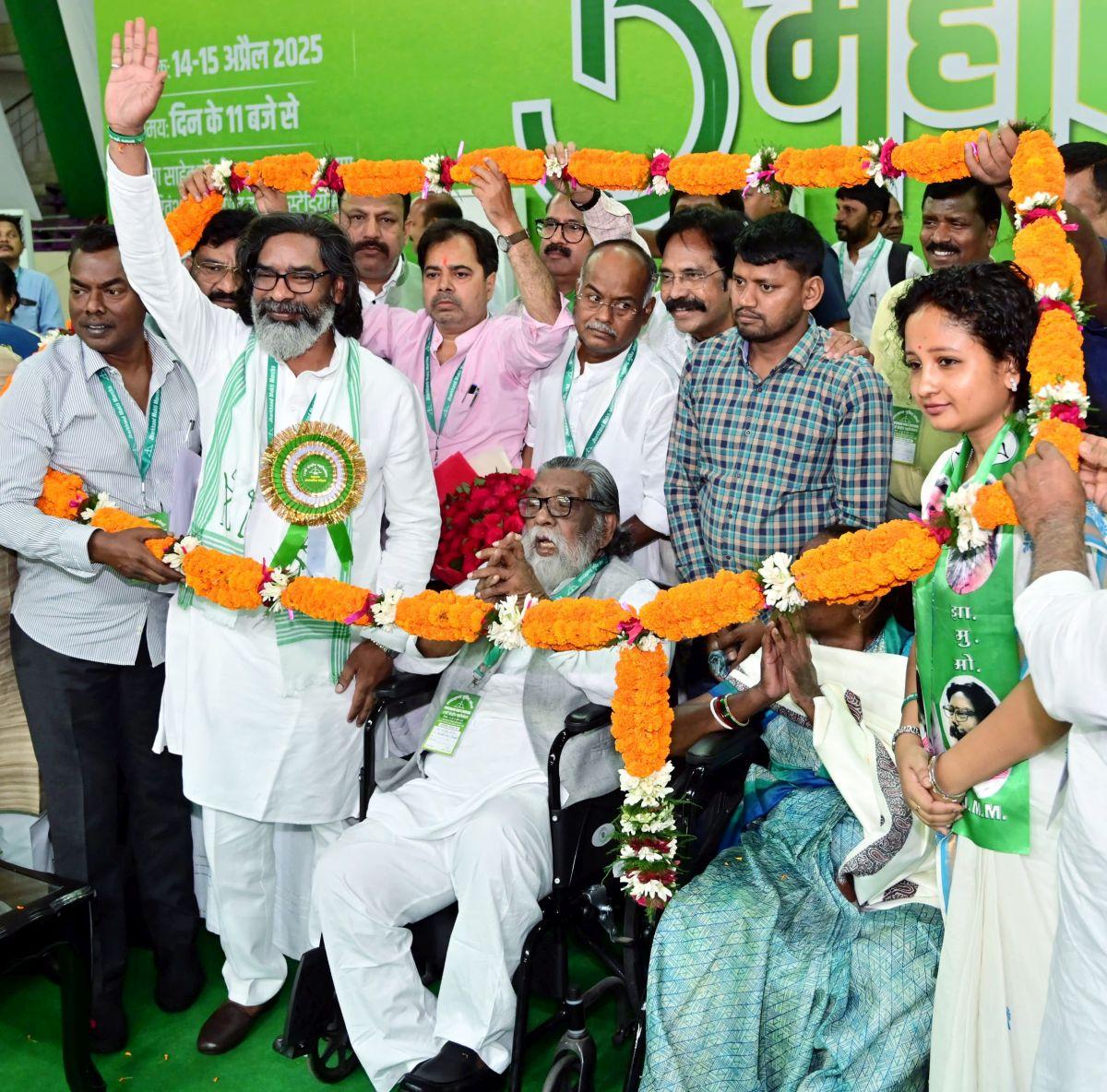
What was Shibu Soren's leadership style?
He advised us not to fear, to fight and stand for the cause of tribals ignoring police action against us.
It was Shibu Soren who made it clear to the tribals that their Jal (water), Jungle and Zameen (land) would be saved if we stand united to fight against exploiters.
This mobilised all sections of society under the JMM banner under his leadership.
I went to jail along with him several times.
He sensed the growing anger against exploiters and instilled in them that the tribals were exploited.
He raised his voice against exploitation and people got attracted to him.
He was not highly educated. He was Class 10 passed but his intelligence was high. He could impress any group of people.
How close were you to Shibu Soren?
I was very close to Guruji since I joined him. He contested the Lok Sabha polls from my house in Dumka. His own house in Dumka was built much later.
He trusted me and I always considered him my real leader.
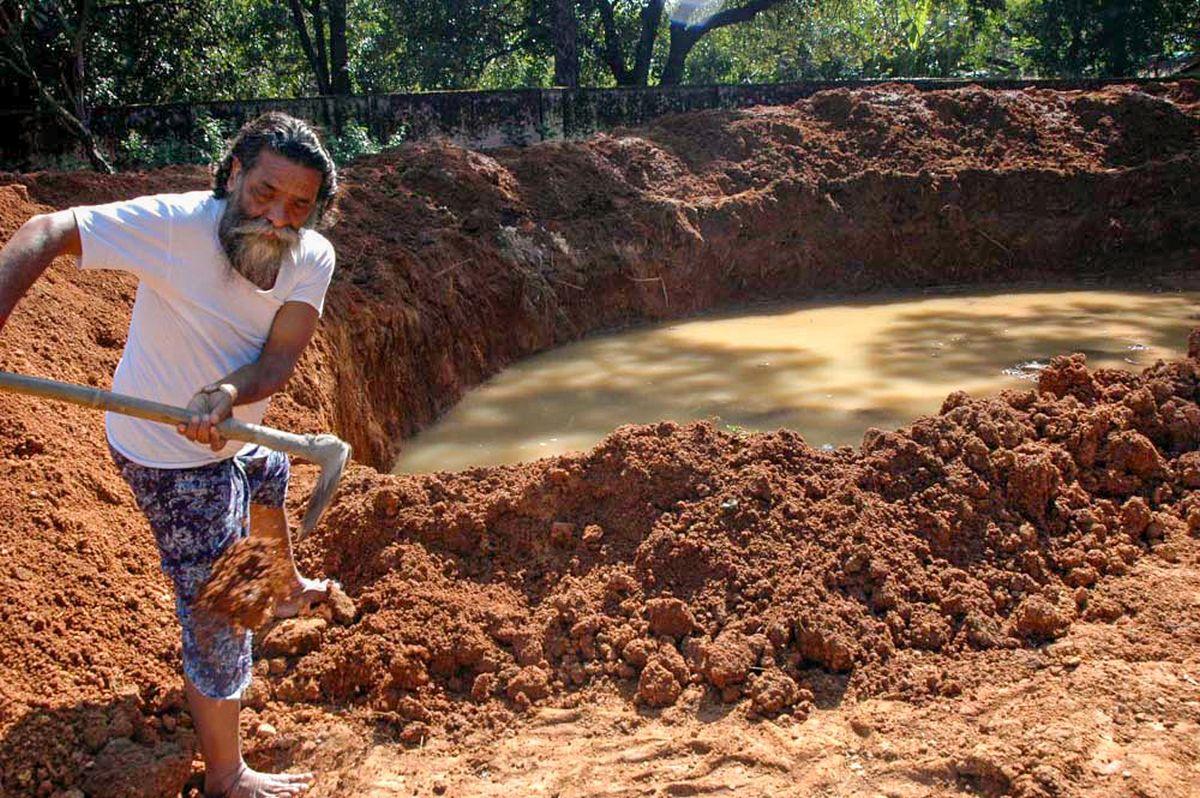
But you left Shibu Soren and the JMM after over 27 years.
I was denied a ticket to contest the 2005 assembly polls despite being the sitting MLA. It was due to a misunderstanding and miscommunication. I finally returned to the JMM which is my home.
How will Shibu Soren be remembered by the people of Jharkhand?
People knew that Jharkhand was possible due to Shibu Soren's long fight. He is an icon of the tribal state. People will always remember him as the man behind Jharkhand as a separate state.
Feature Presentation: Aslam Hunani/Rediff






 © 2025