
The country's largest carmaker Maruti Suzuki India (MSI) on Wednesday reported a consolidated net profit of Rs 475 crore for the first quarter ended June 30. The auto major had posted a consolidated net loss of Rs 268 crore in the April-June quarter of 2020-21. It noted that during the first quarter its sales and production were adversely impacted due to the second wave of the COVID-19 pandemic.
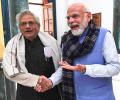
Sitaram Yechury strived to have the country's Left movement shed its doctrinaire approach to India's socio-cultural complexities and stitch electoral and social alliances to fight the Sangh Parivar.

Maruti is sticking to this strategy at a time when rival Hyundai is looking to make the most of the monopoly it will have in the compact diesel segment from April 1, 2020, when the BSVI emission norms kick in. The market leader's confidence stems from the rapid shift in favour of petrol in the PV segment. For newer models such as MG Hector and Seltos, nearly 75 per cent bookings are for petrol variants, Kia has 55 per cent from petrol variants. The change in customer preference from diesel variants to petrol has happened quickly over the past few years.
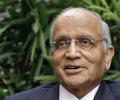
The regulatory burden is the highest on small cars, a key segment of the Indian automobile industry and having a uniform tax structure across all segments of vehicles will not augur well for the sector growth, according to Maruti Suzuki India chairman RC Bhargava. He also said India's economic growth rate could be higher if the manufacturing sector grows fast, which 'unfortunately' has remained a laggard despite the best efforts of the Narendra Modi-led government at the Centre due to implementation gaps at the ground level. "The burden of regulatory changes on the small cars is far higher than the regulatory burden on big cars and that is changing the whole market behaviour.

Among the Sensex components, Mahindra & Mahindra, Bharti Airtel, Tech Mahindra, Titan, Infosys, JSW Steel, Bajaj Finserv, HDFC Bank, Larsen & Toubro and Kotak Mahindra Bank were the major gainers. Maruti, State Bank of India, Power Grid, Tata Motors and IndusInd Bank were the laggards.

Among the Sensex firms, Bajaj Finance, Bharti Airtel, Maruti, Bajaj Finserv, HCL Technologies, Titan, Hindustan Unilever, JSW Steel, UltraTech Cement, State Bank of India and Reliance Industries were the major laggards.

Stock markets snapped their five-day losing run on Friday with the benchmark BSE Sensex closing higher by 75 points on value-buying in banking and oil shares after recent losses. The 30-share BSE Sensex rose by 75.71 points or 0.10 per cent to settle at 73,961.31. During the session, it hit a high of 74,478.89 points and a low of 73,765.15 points.

From the Sensex pack, Tata Motors slumped over 7 per cent. Adani Ports, Tata Steel, SBI, Power Grid, JSW Steel and Maruti were the other big laggards. However, Hindustan Unilever and Nestle ended in positive territory.

Apart from physical stores, the company operates 2,700 digital touch points in the form of web pages, which is gaining good traction from tier-II and III centres.

From the Sensex basket, Mahindra & Mahindra, Larsen & Toubro, JSW Steel, NTPC, IndusInd Bank, Sun Pharma, UltraTech Cement, State Bank of India, Reliance Industries, and Maruti were the major gainers. Nestle, Tata Consultancy Services, Axis Bank, ICICI Bank, Bajaj Finance, ITC, and Asian Paints were among the laggards.
First off the block will be a new multi-purpose vehicle which is being co-developed with Toyota - Suzuki's alliance partner. The model will also wear a Toyota badge.

Passenger vehicle wholesales in India witnessed a marginal growth in May on account of high base effect and muted demand due to general elections. The overall passenger vehicle dispatches from companies to dealers stood at 350,257 lakh units last month as compared to 335,436 in the same month a year ago, registering a growth of 4 per cent.

The country's top carmaker Maruti Suzuki India (MSI) on Wednesday said it has decided to advance maintenance shutdown at its two Haryana-based manufacturing plants by a month amid a surge in the COVID-19 cases across the country. The auto major was supposed to take the shutdown at its two plants in Gurugram and Manesar in June, but due to the tsunami of COVID-19 cases, it decided to take it one month earlier to save oxygen for medical needs. MSI noted that as part of the car manufacturing process, it uses a small amount of oxygen in its factories, while relatively much larger quantities are used by the manufacturers of components.
From the Sensex basket, JSW Steel, Tata Steel, Power Grid, Kotak Mahindra Bank, UltraTech Cement, NTPC and Bajaj Finance were the major gainers. Tata Consultancy Services, Tech Mahindra, Maruti, Reliance Industries and Titan were among the laggards.

Mahindra is coming up with the Thar Roxx. MG Motor India announced a third electric vehicle Windsor. Hyundai and Kia are expected to introduce updated versions of the Alcazar and Carnival respectively.

The list clearly shows the dominance of Maruti and Hyundai in the Indian passenger vehicle market.
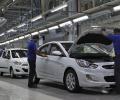
Passenger vehicle wholesales in India increased 4 per cent year-on-year in May to 3,47,492 units, as compared to the same month last year, industry body SIAM said on Tuesday. Overall passenger vehicle (PV) dispatches from companies to dealers stood at 334,537 units in May 2023.

MSI sells a range of models from entry-level hatchback Alto to S-CROSS, priced between Rs 2.99 lakh and Rs 12.39 (ex-showroom prices Delhi) lakh, respectively.

From the Sensex firms, Power Grid, NTPC, Tech Mahindra, Bharti Airtel, Tata Motors, IndusInd Bank, Reliance Industries, Kotak Mahindra Bank and Maruti were among the laggards. Asian Paints, Wipro, JSW Steel, Hindustan Unilever, Bajaj Finserv and Mahindra & Mahindra were among the biggest gainers.

The name of the country's most popular car brand, Maruti Udyog Ltd, has been changed to 'Maruti Suzuki India Ltd' with effect from September 17.

Maruti Suzuki India (MSIL) - the market leader in small cars - is eyeing the top spot in the sports utility vehicle (SUV) segment within a year - with a 33 per cent share of the pie. The company has been selling two SUVs - the Brezza and the Grand Vitara - and will start deliveries of the Jimny and the Fronx from March-end, and has set a target of growing its share from the current 11.5 per cent of the SUV market to 33 per cent by the end of 2023-24. The SUV segment is roughly about 42 per cent of the total passenger vehicle market, or around 1.3 million units.

The company, which sells every second car in the domestic market, said it expected production and sales to grow between 4 per cent and 8 per cent for the financial year started in April.
India's largest carmaker, Maruti Suzuki India (MSIL), is focused on getting 50 per cent of its customers' car-financing transactions executed through its Smart Finance platform by next year. Shashank Srivastava, executive director-sales, MSIL, said this will help the company turn its website into a single-window channel through which customers can select their models, find dealers, and arrange financing. He said there is a likelihood that 100 per cent of its customers availing of financing will take it through Smart Finance. To date, the company has disbursed Rs 6,500-crore loans via Smart Finance to around 100,000 customers, accounting for 28 per cent of all finance-based car-purchase transactions for the company.

Lenders have become worried as some dealers were not using the money provided to them for car financing.

Among the 30 Sensex companies, Kotak Mahindra Bank, Asian Paints, Reliance Industries, ITC, Sun Pharma, ICICI Bank, Axis Bank and JSW Steel were the major laggards. Larsen & Toubro, Tata Motors, Maruti, NTPC, Mahindra & Mahindra and UltraTech Cement were among the gainers.

From the Sensex basket, Bharti Airtel, Nestle, Maruti, Tata Motors, HCL Technologies, NTPC, Asian Paints and State Bank of India were the major gainers. Sun Pharma, Reliance Industries, Mahindra & Mahindra, JSW Steel, Tech Mahindra and Bajaj Finance were among the laggards.

The diesel car becomes too expensive with BS-VI and market assessment says the customer will not buy it at that price, says R C Bhargava, chairman, MSIL. He expects buyer preference to change swiftly in favour of petrol, CNG, and other alternative technologies.

The figures are encouraging for the auto industry amid apprehension that due to higher cost and lack of fuel availability, cars with stricter emission standards may not be popular in initial stages. Automakers had even cited this confusion as one of the reasons for dwindling car sales in India, reports Arindam Majumder.

While the company used to report bookings of 4,000-5,000 every day, following the partial lifting of lockdown, in a week, it has received around 6,000.
Maruti, Bajaj Finance, Titan, Kotak Mahindra Bank, HDFC Bank, IndusInd Bank, Mahindra & Mahindra and Larsen & Toubro were among the major gainers. Wipro, HCL Technologies, Nestle, Tata Consultancy Services and Tata Motors were among the laggards.
From the Sensex basket, Infosys, IndusInd Bank, Bajaj Finserv, Wipro, HCL Technologies, Bajaj Finance, Tech Mahindra, Tata Consultancy Services, and Larsen & Toubro were the major laggards. Titan Company, Hindustan Unilever, HDFC Bank, Maruti, ITC, Power Grid and Reliance Industries were the gainers.
Maruti being the market leader with a disproportionately high share of the passenger car market helped its component makers grow as an industry all these years and hence, the exit from a segment is a jolt if not a big setback.

Morgan Stanley Sales & Trading, US, believes the stock is better value for money than others and has a upside as high as 73 per cent. A slowdown in the economy has hit demand and led to a fall in overall consumption in an auto market which till recently was one of the fastest growing in the world.

Determined not to be arm-twisted into delaying the execution, he decided to hold a late night hearing at his residence. In the pitch blackness of the night, the original verdict was upheld. The next morning, on 9 October 1992, General Vaidya's assassins were hanged until death.

Tata Motors on Wednesday said it remains confident about the long-term prospects of the electric vehicle segment and termed the fall in sales numbers a "short-term" issue. In an interaction with PTI at the launch of the company's first mid-sized electric SUV, Curvv.ev, at a starting price of Rs 17.49 lakh (with 45 kWh battery) Shailesh Chandra, managing director of Tata Motors Passenger Vehicle and Tata Passenger Electric, said that the company is looking to achieve one-lakh electric vehicle sales this financial year. Curvv EV is the second car based on the advanced Pure EV architecture - acti.ev, which marks Tata Motors' entry into the highly competitive mid-size SUV segment and will be competing with the likes of MG ZS EV, Hyundai Creta and Maruti Suzuki Grand Vitara, among others.

MSI will inspect certain WagonR models for a possible issue of fuel hose fouling with metal clamp.
Leading automakers Maruti Suzuki, Hyundai and Tata Motors on Friday reported robust sales for February as demand for sports utility vehicles continued to remain strong. Mahindra & Mahindra, Toyota Kirloskar Motor and Honda Cars also witnessed higher vehicle dispatches to dealers last month. February turned out to be the third-best month for sales for the industry ever.
From the Sensex basket, Mahindra & Mahindra, Maruti, Tata Steel, Bajaj Finserv, Power Grid, Reliance Industries, Axis Bank and JSW Steel were the major gainers. Wipro, Nestle, HDFC Bank and Bajaj Finance were among the laggards.

Passenger vehicle majors like Hyundai, Tata Motors, M&M, Toyota Kirloskar and Honda on Wednesday reported growth in domestic sales in August riding on festive sentiments, although market leader Maruti Suzuki posted a decline amid a semiconductor shortage affecting the industry. The country's largest carmaker Maruti Suzuki India Ltd (MSIL) reported domestic sales at 110,080 units, as compared to 116,704 units in the same month last year, down 6 per cent. "Sales volume of the company in August 2021 was affected due to electronic components shortage.
State Bank of India, NTPC, Nestle, Sun Pharma, JSW Steel, ITC, Mahindra & Mahindra and HCL Technologies were among the other major gainers.
 © 2026 Rediff.com - Advertise with us - Disclaimer - Privacy Policy - Sitemap - Feedback - About us - Terms of use - Grievances