
A nuclear war between India and Pakistan would result in a global famine that could kill over two billion people -- a quarter of the world's population -- and end human civilisation, a study warned on Tuesday.
More than a billion people around the world could face starvation if a nuclear war breaks out between India and Pakistan, according to a new report which said the "nuclear famine" will be an "unprecedented" disaster that would bring an end to modern civilisation.

'I would like to request the AERB, UCIL and DAE to introspect. The world is changing, so is India. The wave of development and modernity will not stop for those who continue to live in the past. The future belongs to the youth who believe in the values of honesty, transparency and efficiency.'

Distinguished Indian American professor of psychiatry and neurosciences Dr Dilip V Jeste has been appointed the first associate dean for Healthy Aging and Senior Care at the University of California. In an exclusive conversation with Aziz Haniffa, Dr Jeste speaks elaborately on his road map ahead, and also the need to change mindset towards ageing and aged people.
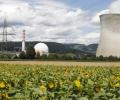
'We need uranium to fuel our reactors. Our scientists and engineers have been handling uranium safely since 1967. They must not feel disheartened by the activities of well motivated local or foreign agencies.'

To persist with talks in the face of continuing terrorism that puts hundreds of Indian lives at stake is not only naive but morally repugnant and ethically unacceptable. It is time to see through this charade and abandon a path of high risk and no returns, says Vivek Gumaste.
 © 2026 Rediff.com - Advertise with us - Disclaimer - Privacy Policy - Sitemap - Feedback - About us - Terms of use - Grievances