

Air India Group anticipates the delivery of 50-60 new aircraft within the next 18 months, with its ambitious transformation programme progressing despite global challenges like supply chain issues and geopolitical tensions, according to Chief Commercial Officer Nipun Aggarwal.

The battle for the skies is moving to a new orbit - fuel-efficient narrow body planes. While Airbus has cashed in on the first mover advantage in this space with its A320 Neo, Boeing, which launched its plane in August last year, is catching up fast.

SpiceJet is the only Boeing 737 MAX operator in India, with 13 aircraft of the type in its fleet and a total of 205 planes on order.
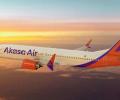
The commercial flight operations of Rakesh Jhunjhunwala-backed Akasa Air will be launched in July instead of June. "As we get closer to the airline launch date, we can now confirm refined estimates on our timelines. "We expect our first aircraft delivery by early June 2022, with the intention to start commercial operations in July 2022," Vinay Dube, CEO, Akasa Air, told PTI.
Or else customers will face capacity shortages and high fares.
Else customers will face capacity shortages and high fares.

In March 2020, soon after the cessation of airline operations globally and domestic flights within India, many in the aviation sector had written Delhi-headquartered low-fare airline SpiceJet's obituary well before that of most of its rivals. Unlike IndiGo, GoAir (now rechristened Go First), Vistara and even AirAsia India, SpiceJet did not have founders or backers with deep pockets. Although it is the only other listed carrier in India besides IndiGo, it was considered the weakest and the least likely to survive the pandemic. But chairman and managing director Ajay Singh surprised everyone by not only surviving but taking the lead on many fronts. Within a few weeks of the scheduled flight stoppage, SpiceJet was doing as many charter flights as it could get hold of.

With oil prices in a free fall, the airline is looking at regaining some of its lost share.
