
Riteish Deshmukh brings earnestness to the role, but the gravitas of Chhatrapati Shivaji Maharaj calls for a towering presence, resonant voice and sharp, piercing gaze, which are somewhat missing in Raja Shivaji, notes Mayur Sanap.
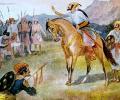
'Shivaji and Sambhaji followed the gospel of humanity. 'They did not discriminate based on religion, caste, or colour.' 'That is the beauty of Shivaji and Sambhaji's Hindvi Swaraj.'

The 'wagh nakh' or tiger claw-shaped weapon used by Chhatrapati Shivaji Maharaj was brought to Mumbai from a London museum on Wednesday, state Culture Minister Sudhir Mungantiwar said.

Nobody has claimed that the wagh nakh being brought to the state from London was used by Chhatrapati Shivaji Maharaj, Maharashtra minister Sudhir Mungantiwar told the legislative assembly.
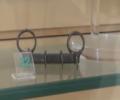
The wagh nakh is likely to be housed in the Chhatrapati Shivaji Sanghralaya (museum) in south Mumbai.
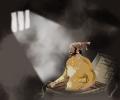
In 1666, Shivaji Maharaj and his son Sambhaji escaped from the Agra Fort, one of the most miraculous escapes in India's history.

'In a war of guerrilla resistance from 1682 to 1707, the Marathas destroyed the foundations of the Mughal empire.' 'Shivaji was dead, but his example and ideals survived and were the main source for inspiration for the Marathas in their desperate struggle with the mighty Mughal empire,' notes Colonel Anil A Athale (retd), the well known military historian.
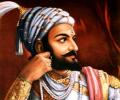
Shivaji made sure that his soldiers respected the sanctity of mosques and the Quran Sharif to ensure that his fight against the Mughals did not become fight against Islam, explains Colonel Anil A Athale (retd).
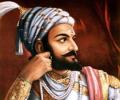
'Shivaji was among a handful of Indian rulers to realise the importance of sea power... Not much attention is paid to his remarkable achievement: Building a modern navy and the revival of Indian maritime power.'
 © 2026 Rediff.com - Advertise with us - Disclaimer - Privacy Policy - Sitemap - Feedback - About us - Terms of use - Grievances