
Indian stock markets recovered from early losses to close higher, driven by value buying in IT and banking shares and a rebound in the rupee.

Benchmark Sensex tumbled 1,236 points or 1.5 per cent while Nifty closed near 25,450 on Thursday following an across-the-board sell-off amid escalating geopolitical tensions between the US and Iran.

Indian equity markets closed higher, driven by gains in PSU bank, auto, and financial stocks, following the US Supreme Court's decision on tariffs. Sensex climbed 479.95 points to 83,294.66, and Nifty advanced 141.75 points to 25,713.

Benchmark equity indices Sensex and Nifty rebounded on Thursday after three sessions of losses, tracking gains in global markets after US President Donald Trump struck a conciliatory tone on Greenland. In a volatile session, the 30-share BSE Sensex climbed 397.74 points, or 0.49 per cent, to close at 82,307.37.
Indian equities on Dalal Street saw volatility as global market trends and fresh tariff concerns linked to Donald Trump impacted investor sentiment. Track Sensex, Nifty50 movement and key market drivers for Feb 24, 2026.
Equity benchmark indices Sensex and Nifty experienced a significant decline, primarily driven by a selloff in IT stocks due to concerns about AI disruption and renewed worries over global trade.

Market sentiment is likely to remain cautious as investors position themselves for the upcoming Union Budget and the US Fed's interest rate decision, where expectations are muted.
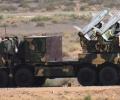
Even as the benchmark and broader indices were down sharply on Monday due to escalating tensions in West Asia, the Nifty Defence index ended the session in the green.

Stock markets rebounded on Friday with the benchmark Sensex closing higher by 316 points after heavy buying in banking and metal shares amid optimism over trade deal progresses and India's participation in Pax Silica.

Benchmark equity indices Sensex and Nifty tumbled more than 1 per cent on Friday due to across-the-board selloff, especially in metal, IT and commodity stocks, tracking sluggish global markets.
Benchmark equity indices Sensex and Nifty extended their gains for the second straight session on Monday, driven by optimism over the India-US trade deal and robust buying in public sector banks, consumer durables, and realty stocks.
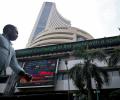
Benchmark stock indices Sensex and Nifty closed on a flat note in a choppy session on Wednesday as gains in PSU banks and auto shares were offset by losses in IT stocks.
Benchmark BSE Sensex fell 558 points on Thursday amid heavy selling in IT shares, as concerns over AI-led disruptions and waning hopes of a Fed rate cut after firm US economic data weighed on investor sentiment.

The BSE Sensex plummeted 1,236 points, wiping out nearly Rs 7 lakh crore in investor wealth, driven by escalating tensions between the US and Iran and subsequent market selloff.
Stock markets closed higher for the second straight session on Tuesday, driven by gains in bank, IT and capital goods shares.

India and France have elevated their relationship to a 'special global strategic partnership,' with increased cooperation in defense, trade, and technology. The leaders also inaugurated a helicopter assembly line in Karnataka.

Among the Sensex constituents, Eternal, Trent, Bharti Airtel, Infosys, Tech Mahindra, UltraTech Cement, ICICI Bank, HDFC Bank, Bajaj Finance, Tata Consultancy Services, Bharat Electronics Ltd, Larsen & Toubro and Tata Motors Passenger Vehicles were the laggards. However, Tata Steel, Sun Pharmaceuticals, ITC, NTPC, Reliance Industries, HCL Technologies, PowerGrid, and Asian Paints were among the gainers.

Among the Sensex constituents, Bharat Electronics Ltd, Eternal, Trent, Tata Steel, Bajaj Finance, Adani Ports, Bajaj Finserv, State Bank of India, PowerGrid, Asian Paints, Tata Motors Passenger Vehicles, Titan, NTPC, Kotak Mahindra Bank, Larsen & Toubro and Bharti Airtel were among the laggards. Tech Mahindra, HCL Technologies, Reliance Industries and HDFC Bank were the only gainers.

Among the Sensex constituents, Asian Paints, Tech Mahindra, HCL Technologies, Tata Steel, Maruti Suzuki India, Sun Pharmaceuticals, Tata Consultancy Services, ICICI Bank, Bajaj Finance, UltraTech Cement, Mahindra & Mahindra and Tata Motors Passenger Vehicles were the laggards. However, Eternal, Titan, Adani Ports, Bharat Electronics Ltd, State Bank of India, Bajaj Finserv, NTPC and Bharti Airtel were among the gainers.

From the Sensex pack, Eternal, Maruti Suzuki India, Kotak Mahindra Bank, Mahindra & Mahindra, Tech Mahindra, Titan, HDFC Bank, PowerGrid, Bajaj Finserv, HCL Technologies, Bajaj Finance and Larsen & Toubro were among the gainers. On the other hand, Tata Motors Passenger Vehicles, Asian Paints, UltraTech Cement, Bharat Electronics Ltd, Tata Steel, Adani Ports, Hindustan Unilever, ITC, Tata Consultancy Services and Reliance Industries were the only laggards.

From the Sensex pack, Eternal, Bharat Electronics Ltd, Trent, Axis Bank, State Bank of India, Bajaj Finance, Sun Pharmaceuticals, Asian Paints, Adani Ports, Hindustan Unilever, Reliance Industries, ITC, PowerGrid, Tata Motors Ltd's Commercial Vehicles business, and Bajaj Finserv were the gainers. Infosys, Tata Motors Passenger Vehicles, Tata Steel, ICICI Bank, Tech Mahindra, Titan, UltraTech Cement, Maruti Suzuki India, and Larsen & Toubro were the laggards.
From the Sensex pack, Asian Paints, ICICI Bank, PowerGrid, Larsen & Toubro, Bajaj Finserv, Bharti Airtel, Sun Pharmaceuticals, Maruti Suzuki India, Axis Bank, UltraTech Cement and HCL Technologies were the only gainers. On the other hand, Eternal, Tata Motors' commercial vehicles arm, Mahindra & Mahindra, Tata Steel, Bharat Electronics Ltd, Tata Motors Passenger Vehicles, Trent, Tata Consultancy Services, Hindustan Unilever, and Infosys were among the laggards.
Among the Sensex firms, Bharat Electronics Ltd, Mahindra & Mahindra, Adani Ports, HCL Technologies, Eternal, Infosys, Bharti Airtel, Sun Pharmaceuticals, Larsen & Toubro, Hindustan Unilever and UltraTech Cement were the gainers. Bajaj Finance, Tata Motors Passenger Vehicles, Kotak Mahindra Bank, PowerGrid and Tata Steel were among the laggards.

This is seen as the first concrete opportunity to break HAL's monopoly in combat aircraft manufacturing, potentially opening the door to a private-sector fighter jet producer.
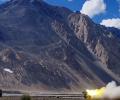
The successful validation will speed up induction and significantly bolster India's air defence posture in sensitive frontier zones.
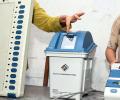
EVMs can't be used in presidential, vice-presidential, or Rajya Sabha polls because they only count simple votes, not the preference-based system needed for these elections.

The private consortium would invest more than Rs 1,200 crore over the next five years to launch a constellation of 12 state-of-the-art Earth Observation satellites equipped with panchromatic, multispectral, hyperspectral, and microwave SAR (synthetic aperture radar) sensors.

Stock markets are in for an event-heavy week ahead with a raft of Q1 earnings from blue-chips, the US Fed interest rate decision and foreign investors trading activity driving investors' sentiment, analysts said. Macroeconomic data announcements, monthly auto sales numbers and global market trends would also guide movement in the domestic equities, they said.
From the Sensex firms, Hindustan Unilever, Kotak Mahindra Bank, Trent, Reliance Industries, Asian Paints and ITC were among the gainers. However, Bharat Electronics Ltd, Tech Mahindra, UltraTech Cement, Maruti and Eternal were among the laggards.
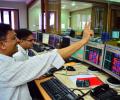
From the Sensex firms, Kotak Mahindra Bank, Eternal, Asian Paints, NTPC, Bharat Electronics Ltd, Adani Ports, Infosys and State Bank of India were among the major gainers. However, Titan tumbled over 6 per cent. Trent, Axis Bank, Maruti and Hindustan Unilever were also among the laggards.

Pixxel has raised $95 million in funding and with the company's commercial Firefly satellites up in orbit selling data globally 'we know and seen what it takes to make this business work.'

'These machines are standalone devices with no external connectivity, making hacking impossible. The chip in EVMs is one-time programmable, ensuring no changes can be made. Strict security and administrative protocols further prevent any tampering'

To enhance transparency and verifiability in the poll process, the Conduct of Election Rules, 1961 were amended in 2013 to introduce the use of VVPAT machines. They were first used in the by-election to the Noksen assembly seat in Nagaland.
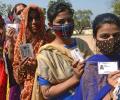
The Election Commission had pegged the cost of procuring additional Electronic Voting Machines and paper-trail machines for holding synchronised Lok Sabha and assembly polls at nearly Rs 9,300 crore.
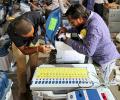
The Supreme Court on Tuesday deprecated criticism of electronic voting machines (EVMs) and calls for reverting to ballot papers, saying the electoral process in India is a "humongous task" and attempts should not be made to "bring down the system".

Samariya, the first Dalit to have been appointed to the post, was working as information commissioner in the transparency panel Central Information Commission (CIC). A 1985-batch Indian Administrative Service (IAS) officer of Telangana cadre, Samariya retired after serving as the labour and employment secretary in the Government of India. He was sworn in as the information commissioner on November 7, 2020.

According to the budget document, Rs 1,891.78 crore has been allocated for purchase of EVMs by the poll panel.

Before Data Patterns developed an indigenous check-out equipment, Brahmos Aerospace was paying a Russian supplier three times what it will now pay the Indian company.

'Gadar 2 was made with the purpose of entertaining people and not to perpetuate enmity between neighbouring countries.'

The EVMs are based on a technology where they work as aggregator of votes in direct elections such as the Lok Sabha and state assemblies.
 © 2026 Rediff.com - Advertise with us - Disclaimer - Privacy Policy - Sitemap - Feedback - About us - Terms of use - Grievances