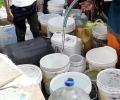
A water quality survey held around Nanded village, the epicentre of Guillain-Barre Syndrome (GBS) in Pune city, has found there was lack of chlorine in the drinking water supplied to households of 26 patients of this nerve disorder, officials said.
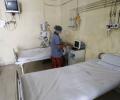
Pune, India, has reported 59 suspected cases of Guillain-Barr syndrome (GBS), an immunological nerve disorder. The sudden rise in cases has prompted the state health department to form a team to investigate. GBS is a rare condition that causes sudden numbness and muscle weakness. Most suspected patients are within the age group of 30 years. Authorities are investigating the cause of the outbreak and have collected samples for testing. Doctors have assured the public that GBS is not contagious and most patients recover fully with treatment.
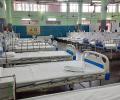
The Union health ministry has deputed a high-level multi-disciplinary team to Pune to aid state authorities in instituting interventions and managing the spurt in suspected and confirmed cases of Guillain Barre Syndrome (GBS) in the city.
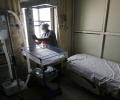
The Pune Municipal Corporation (PMC) has detected 22 suspected cases of Guillain-Barr syndrome (GBS), an immunological nerve disorder, in the city. Samples from the affected patients have been sent to ICMR-NIV for testing. Most of the cases were detected in the Sinhgad Road area. According to doctors, GBS is a rare condition that causes sudden numbness and muscle weakness. While the condition is prevalent in both pediatric and young age groups, it does not lead to an epidemic or pandemic. The PMC has constituted a committee of experts to investigate the outbreak and conduct detailed surveillance of the patients. The civic health department has assured that there is no need for panic as of now.
A man suspected to have contracted Guillain-Barre syndrome (GBS) has died in Maharashtra's Solapur district, while the number of cases of the immunological nerve disorder in Pune rose to 110, health officials said on Monday.

The government has declared that night curfew would be enforced in the state from next week to prevent the spread of COVID-19.

The ICMR said people having symptoms like fever, cough, sore throat and runny nose and residing in hotspots or cluster areas and in evacuee centres will now be tested for coronavirus infection.

The SOPs, issued against the backdrop of the government's plans to open up the economy, say an entire office building need not be closed if one or two cases of COVID-19 are reported there and work can resume after disinfection as per the laid down protocols. However, if there is a larger outbreak, the entire building will have to be closed for 48 hours and all the staff will work from home till the building is adequately disinfected and is declared fit for re-occupation, the ministry said in its 'SOPs on preventive measures to contain spread of COVID-19 in offices'.
 © 2026 Rediff.com - Advertise with us - Disclaimer - Privacy Policy - Sitemap - Feedback - About us - Terms of use - Grievances