
The operator's liability in the case of an incident is limited to 3,000 crore for reactors with thermal power above 3,600 Megawatt; 1,500 crore for reactors with thermal power between 1,500 Mw and 3,600 Mw; 750 crore for reactors with thermal power between 750 Mw and 1,500 Mw; 300 crore for reactors with thermal power between 150 Mw and 750 Mw; and 100 crore for reactors having thermal power up to 150 Mw, fuel cycle facilities other than spent fuel reprocessing plants and transportation of nuclear materials.
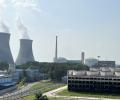
Ushering in reforms, Union Finance Minister Nirmala Sitharaman on Saturday proposed to open up the nuclear power sector for private players and announced a Rs 20,000 crore Nuclear Energy Mission for research in the field, with an aim to set up five small and modular reactors by 2033.

In 2025, India launched Operation Sindoor, a multi-domain combat mission against Pakistan in response to cross-border terrorism. The operation involved precision strikes, military retaliation, and diplomatic measures, marking a significant shift in India's security policy.

Taking a dig at China, Defence Minister Rajnath Singh on Sunday said 'some irresponsible nations' with their narrow partisan interests and hegemonic tendencies are coming up with wrong definitions of the UN Convention on the Law of the Sea.

20 years ago this day, May 11, 1998, India conducted its second nuclear test at Pokharan in Rajasthan. In a fascinating interview on Rediff.com, K Subrahmanyam revealed how Indian PMs reacted to nuclear ambitions.

India's historical focus on its continental borders has overshadowed its maritime ambitions, but that is changing quickly, notes Ajai Shukla.

Were the May 1988 nuclear tests a success? 20 years after Pokharan, a look back at those decisive atomic tests through the eyes of someone who knew.

'Pakistan's security establishment, despite its appallingly immoral approach to conflict, has worked with limited resources to maximise its national defence resources to continue bleeding India,' says Ajai Shukla.
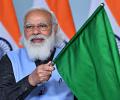
'What matters is meeting the needs and expectations of the people who have voted to provide governance for the country.'

"We've vetting very, very strongly. Very, very strongly. But we need help, and we need help by getting that executive order passed," he said.

The leaked documents include details of submarine's underwater sensors, above-water sensors, combat management system, torpedo launch system and specifications, communications system and navigation systems.

What was the need for Xi Jinping, general secretary of the Chinese Communist Party, President of the People's Republic of China and Chairman, Central Military Commission, to don the new role of Commander in-Chief? Does this mean that the most powerful Chinese leader since Mao faces numerous threats from within the Communist Party?

The AAP has adopted policies in an ad hoc manner, without thinking them through or deriving them from a broader framework. This must change if the AAP is to become a credible alternative, says Praful Bidwai.

Read the full transcript of President Obama's State of the Union address on Wednesday at the US Capitol in Washington.
