
'An extremely, extremely sweet person.' 'He was the constant source of light and energy for everyone around him.'

Veteran Nepali mountaineer Nirmal Purja and nine other climbers are missing after an avalanche struck their expedition on Pakistan's Broad Peak. Rescue efforts are underway but are being hampered by adverse weather conditions, raising concerns for the safety of the renowned climber and his team.

The body of renowned Nepalese-British mountaineer Nirmal Purja was recovered on Broad Peak, three days after he and nine other climbers were swept away in a devastating avalanche. Rescue efforts are ongoing to locate the remaining five climbers amidst challenging terrain and weather conditions.

A search and rescue operation is underway for at least 10 climbers, including renowned Nepali mountaineer Nirmal Purja, who are missing on Pakistan's Broad Peak following a suspected avalanche on Thursday.
Veteran Nepalese mountaineer Nirmal Purja, 43, has died in an avalanche on Broad Peak in Pakistan-occupied Kashmir's Gilgit Baltistan. He was part of a 10-member climbing team caught in the avalanche at 7,000 metres. Three bodies have been identified, and six others located, with Purja's death confirmed by Elite Expedition.

Nirmal Purja, the Nepali-British climber famous for scaling all 14 of the world's 8,000-metre peaks in record time, has been confirmed dead after an avalanche on Broad Peak, located in Pakistan-occupied Kashmir's Gilgit-Baltistan.
Eight bodies have been recovered from the deadly avalanche on Broad Peak in Pakistan-occupied Kashmir, including that of veteran British-Nepalese mountaineer Nirmal Purja, with rescuers still searching for the remaining two members of the 10-member expedition team.
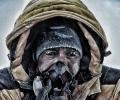
Nirmal Purja is a multiple Guinness World Records holder for quickest ascents of Everest, Lhotse and Makalu.

'Mountaineering is never 'easy'. Nothing is in your hands, you have to be prepared. That's the same for life as well.'
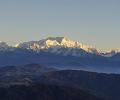
They were part of a five-member team of climbers from West Bengal.
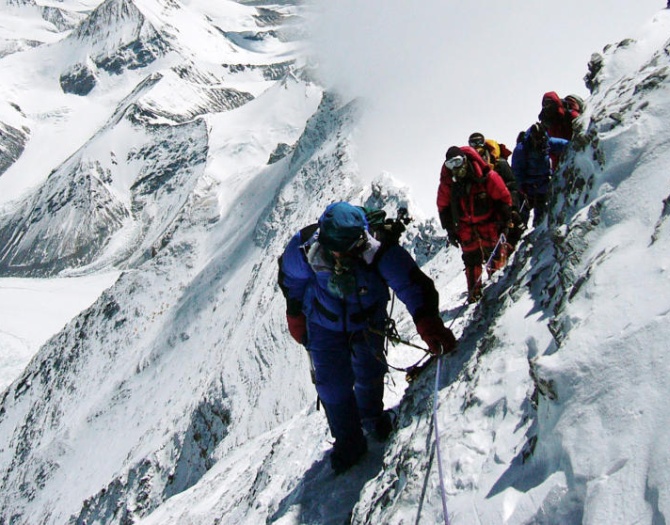
Long queues near the top prolonged the wait times this year, causing oxygen tanks and physical endurance to drain on the way down. The 'traffic jams' likely contributed to the death of 11 people including three Indians.
