
A weaker-than-expected sales performance, concerns about higher competitive intensity in the current year, and earning cuts by some brokerages have weighed on the stock of the country's largest paint maker, Asian Paints. While the Q3 volume show was slightly below expectations, the company's operational and bottom line beat estimates, benefiting from the falling raw material costs. The stock ended the day with a decline of over 2 per cent at Rs 3,175 apiece.

Among the Sensex firms, Larsen & Toubro, Tata Consultancy Services, Infosys, HCL Technologies, Hindustan Unilever, Axis Bank, ICICI Bank and Wipro were the major gainers. Nestle India, Asian Paints, JSW Steel, Kotak Mahindra Bank and HDFC Bank were among the losers.
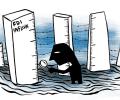
Despite all the noise around India's chance to leverage the China-plus one strategy, India's share of global foreign direct investment (FDI) inflows fell from 3.5 per cent in the first nine months of 2022 to 2.19 per cent in the same period in 2023, according to OECD data. The sharp drop of 54 per cent is much steeper than the overall global FDI inflow decline of 26 per cent in the first nine months. FDI inflows to China have fallen dramatically from a share of 12.5 per cent in the first nine months of 2022 to only 1.7 per cent in the same period in 2023.

Kansai Nerolac Paints has seen its market capitalisation (mcap) erode by over 5 per cent since May 3 after posting a subpar performance in the fourth quarter of 2023-24. Weighed down by stiff competition, the company has shed Rs 1,172 crore over the past two weeks in mcap. India's largest paint maker in terms of mcap, expects double-digit growth in the industrial segment and aims to maintain margins, but its performance in decorative paints could suffer amid competition.

Among Sensex gainers, Power Grid jumped the most by 4.16 per cent after its board approved an investment of Rs 656 crore in transmission projects. Private lenders HDFC Bank, Axis Bank, Kotak Bank, IndusInd Bank and ICICI Bank were also among lead gainers. NTPC, Nestle and Hindustan Unilever also ended the session with gains.

Among the Sensex firms, Power Grid, HDFC Bank, Kotak Mahindra Bank, Reliance Industries, NTPC, State Bank of India, Tata Steel and Bharti Airtel were the major gainers. Bajaj Finance, Axis Bank, HCL Tech and Mahindra & Mahindra were among the major laggards.

Ask rediffGURU Ulhas Joshi your mutual fund queries.

'If you are investing in a Ulip for returns, go for a type I Ulip.' 'If you are investing for insurance cover as well, type II is better.'
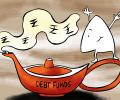
Actively managed debt funds with the flexibility to go long on duration made a strong comeback on the returns chart in 2023, thanks to softening bond yields. The average one-year returns of floater, long-duration, gilt, and dynamic bond funds, which ranged between 2.3 per cent and 4.5 per cent at the end of 2022, now stand at over 7.2 per cent, with some schemes delivering over 8.5 per cent, according to data from Value Research. Debt fund returns are inversely related to yields of underlying investments, meaning a decline in yields is positive for funds.

Kotak Mahindra Bank on Monday said it has alloted 39,800 shares as stock options to employees of some of its subsidiaries.
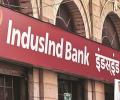
Despite a largely stable December quarter, investors booked profit in shares of IndusInd Bank (IIB) as an increase in slippages took them by surprise. Analysts, on their part, believe investors may, now, wait for actual delivery on slippage decline, potentially limiting near-term upside. "The management has indicated that corporate slippages (from legacy stressed book) have ended and inch up in consumer finance slippages was more one-off, and should meaningfully improve Q4FY24 onwards.

From the Sensex pack, Bharti Airtel, HDFC Bank, Titan, UltraTech Cement, ITC, Sun Pharma, Bajaj Finserv, Bajaj Finance, Hindustan Unilever and Kotak Mahindra Bank were among the major gainers. Tata Steel, Axis Bank, NTPC, ICICI Bank and IndusInd Bank were the major laggards.

Among the Sensex firms, Mahindra & Mahindra, Bharti Airtel, ICICI Bank, IndusInd Bank, Reliance Industries, Axis Bank and HDFC Bank were among the major laggards. Titan, Kotak Mahindra Bank, Asian Paints, HCL Technologies, Tech Mahindra, NTPC, Nestle and Power Grid were the major gainers.
Among the Sensex firms, NTPC, Mahindra & Mahindra, Wipro, Kotak Mahindra Bank, Tata Steel, Asian Paints, Bharti Airtel, Power Grid, Titan and HDFC Bank were the major gainers. Bajaj Finance, Bajaj Finserv, Infosys, Tata Consultancy Services, Tata Motors and HCL Technologies were the laggards.

The stock of Apollo Hospitals Enterprise (AHEL), India's largest listed health care services company, fell 4.6 per cent on Monday (April 29) and slipped another 0.34 per cent to close at Rs 5,946.20 on Tuesday (April 30). The share declined due to a lower valuation for subsidiary Apollo HealthCo (AHL) and an aggressive valuation for Keimed, a promoter-owned drug wholesaler that is merging with AHL.

A combination of factors, including heavy investments in US Treasury bonds and dollar sales at a healthy profit, facilitated the Indian central bank in transferring a record surplus of Rs 2.11 trillion to the government for 2023-24 (FY24). The RBI's dollar purchases increased in FY24, supported by robust capital inflows endorsing the economy's health.

Among the Sensex firms, Kotak Mahindra Bank, UltraTech Cement, Mahindra & Mahindra, Larsen & Toubro, ICICI Bank, IndusInd Bank, Wipro and Hindustan Unilever were the major laggards. Sun Pharma, Bajaj Finance, Bharti Airtel, Reliance Industries, Bajaj Finserv and Titan were among the winners.

Selling in index heavyweights, including Infosys, TCS, ICICI Bank and Reliance Industries, dragged the benchmark indices into the negative for the second straight session, analysts said. Among the Sensex shares, Asian Paints fell the most by 3.9 per cent as analysts expressed concerns over rising competition in the domestic paints market following the entry of Aditya Birla group company Grasim Industries into the paints segment. IT shares Infosys, TCS, HCL Tech, Wipro and Tech Mahindra continued to slide amid inflation concerns in the US market.

In the Sensex pack, HCLTech rose the maximum by 3.12 per cent, followed by ITC which gained 2.73 per cent and M&M went up 2.61 per cent. TCS climbed 2.44 per cent. Tech Mahindra, Wipro, L&T and Maruti were among the other major gainers.

India's top technology companies will witness a tepid revenue expansion in the third quarter (October - December) of the current financial year (Q3FY24) - along expected lines - on the back of furloughs and no blockbuster deals, even as the momentum gained from Generative AI (GenAI) is likely to take centre stage. IT services and consulting firm Accenture's first quarter numbers in FY24 showed a significant pick up in GenAI spending. It signed new bookings to the tune of $450 million in this space, a surge from the $300 million signed in the whole of FY23.
Among the Sensex firms, Kotak Bank, PowerGrid, ICICI Bank, HDFC Bank, PowerGrid were the major gainers. HUL, TCS, M&M, IndusInd Bank, HCL Tech were among the losers.

While about 8,000 people are in the long list of invitees, the select list features 506 A-listers, including prominent politicians, leading industrialists, top film stars, sportspersons, diplomats, judges and high priests.
Kotak Mahindra Bank and Vedanta were the top Nifty gainers.

Small and midcap schemes may impose restrictions on redemptions, cap employee withdrawals, and increase the exit load, while ensuring a proportionate liquidation of the portfolio during market crises to safeguard the interests of all investors. These measures have been outlined in the investor protection policies recently put out by mutual fund (MF) trustees. The policies for small and midcap schemes were prepared by MF trustees following directives from the Securities and Exchange Board of India (Sebi) earlier this month.
Among the Sensex firms, Power Grid, Kotak Mahindra Bank, Tech Mahindra, Bajaj Finserv, ITC, Bharti Airtel, Nestle, NTPC, Bajaj Finance, Reliance Industries, Infosys and HDFC Bank were the major gainers.

Among the Sensex firms, NTPC, Mahindra & Mahindra, Power Grid, Nestle, Tata Motors, ITC, Bharti Airtel and Kotak Mahindra Bank were the major gainers. In contrast, Larsen & Toubro, Wipro, JSW Steel, UltraTech Cement, and Asian Paints were among the laggards.

From the Sensex basket, Tata Consultancy Services, Nestle, Bajaj Finserv, Wipro, Maruti Suzuki India, Reliance Industries, Larsen & Toubro and NTPC were the major laggards. Tata Steel, Bajaj Finance, JSW Steel and Bharti Airtel were among the gainers.
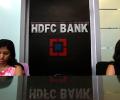
Growing concerns over slower-than-expected margin recovery, amid weak deposit growth have caught HDFC Bank's investors off guard. HDFC Bank's stock on Wednesday plunged nearly 9 per cent to hit an intraday low of Rs 1,527 on the BSE after reporting weaker-than-expected earnings in the third quarter (October - December) of the current financial year (Q3FY24). The shares of India's biggest private lender closed at Rs 1,536.9, down 8.46 per cent.

Stock markets are likely to remain range-bound in this holiday-shortened week amid a lack of any major domestic triggers, analysts said. Stock indices may also face volatility during the week amid the monthly derivatives expiry on Thursday. Equity markets would remain closed on Monday for Christmas.

The IPO boom in 2023 added four new promoters to the billionaires' list.

While the four largest listed paint companies have seen marginal negative returns, the S&P BSE Fast Moving Consumer Goods (FMCG) and the National Stock Exchange Nifty FMCG indices have delivered a solid 16 per cent return during the same period. Initially, volume growth and reduced costs bolstered the sector's sentiment, but brokerages have grown cautious due to increased competitive pressures.
Among Sensex shares, Tech Mahindra, Infosys, Asian Paints, ICICI Bank, Kotak Mahindra Bank, Titan, IndusInd Bank and Bajaj Finserv were the major laggards. Nestle, Tata Steel, Mahindra & Mahindra, Bajaj Finance, HDFC Bank and Tata Consultancy Services were among the gainers.
Kotak Mahindra Finance Ltd has posted a net profit of Rs 112.92 million for the quarter ended December 31, 2002 as compared to a net profit of Rs 108.34 million in the corresponding period last fiscal.

The change in debt fund taxation is seen as boosting the demand for hybrid funds. It is no surprise then that asset management companies (AMCs) have launched a raft of new products in the multi-asset category. However, they seem to be divided on the asset mix and approach. The multi-asset space, which provides fund houses ample scope to innovate, has seen five launches in as many months.

Following the sharp run in markets, valuations across the board have become elevated. The National Stock Exchange Nifty50 Index now trades at a 12-month trailing price-to-earnings (P/E) multiple of 24.3 times, 18 per cent higher than this year's low of 20.5 times. The valuation expansion in the broader markets has been sharper.
From the Sensex pack, Bharti Airtel, HDFC Bank, Titan, ITC, UltraTech Cement, Sun Pharma, Bajaj Finserv, Bajaj Finance, Hindustan Unilever and Kotak Mahindra Bank were among the major gainers. Tata Steel, Axis Bank, IndusInd Bank, NTPC and ICICI Bank were the major laggards.

Mohammed Shami has been ruled out of the upcoming two-Test series in South Africa on fitness grounds

Capital goods companies in their Q2FY24 results are expected to report another steady quarter of earnings growth as order inflows and execution remain healthy, according to analysts. An upward revision in order inflow targets and a margin improvement due to lower raw material costs are also anticipated. "We expect the execution of all capital goods companies and most EPC (engineering, procurement, and construction) companies to remain healthy Y-o-Y (year-on-year), led by strong order book accretion in the past 5-6 quarters," wrote analysts at Kotak Securities in a note, estimating revenue growth of 32 per cent for India's largest company in the capital goods space -- Larsen & Toubro.

Retail companies are expected to witness a tepid strong same-store sales growth (SSSG) expansion in the third quarter (October - December) of the current financial year (Q3FY24) on the back of subdued sales in the festival season. The third quarter of the financial year typically witnesses higher sales since it coincides with the festival season. This time around, weak customer sentiment has dragged down SSSG.

Analysts remain bullish on the road ahead for the equity markets, but warn against volatility on account of domestic and global cues. The upcoming Lok Sabha elections back home and the interest rate trajectory of the US Federal Reserve, they said, will be the two most important factors that the markets will keep a tab on. That apart, the valuation of the Indian markets, they feel, will also be eyed in context of how global peers are performing.
