
All the BSE sectoral indices closed in the green. BSE Realty, Auto, Capital Goods and Industrials were lead gainers, jumping up to 5 per cent. IndusInd Bank was the lead gainer among Sensex shares, surging by 6.84 per cent. Tata Motors rallied 4.50 per cent. Larsen & Toubro, Axis Bank, Adani Ports, HDFC Bank, ICICI Bank and HCL Tech were also among the gainers. ITC and Hindustan Unilever were the only laggards.

Equity benchmark indices Sensex and Nifty rebounded sharply on Monday after five days of steep decline amid value buying at lower levels and a rally in global markets. Besides, hectic buying in blue-chip stocks ITC, HDFC Bank and Reliance Industries also helped in market recovery.
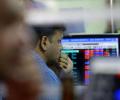
From the Sensex pack, Infosys, Tech Mahindra, Nestle India, Tata Consultancy Services, HCL Technologies, Asian Paints, Axis Bank, Zomato, Hindustan Unilever, and Bharti Airtel were among the laggards. On the other hand, IndusInd Bank, Tata Motors, Kotak Mahindra Bank, Bajaj Finance, HDFC Bank, ITC, Sun Pharma, Bajaj Finserv and UltraTech Cement were the gainers.

From the Sensex pack, HCL Tech, Bajaj Finserv, HDFC Bank, Bajaj Finance, Infosys, Titan, ICICI Bank, Sun Pharma, Reliance Industries, Larsen & Toubro, Tech Mahindra and NTPC were among the biggest laggards. Among gainers, IndusInd Bank jumped over 5 per cent while Zomato ended marginally higher.

From the 30-share blue-chip pack, Bharti Airtel, Power Grid, Bajaj Finance, Nestle, Mahindra & Mahindra, Reliance Industries, Asian Paints, IndusInd Bank, Hindustan Unilever and HDFC Bank were the biggest gainers. Bajaj Finance climbed nearly 2 per cent after the company reported an 18 per cent increase in its consolidated net profit to Rs 4,308 crore for the December quarter.

From the 30-share Sensex pack, Adani Ports surged nearly 6 per cent. NTPC, Axis Bank, State Bank of India, Larsen & Toubro, UltraTech Cement, Tata Motors, HDFC Bank and Reliance Industries were the other big gainers. Bharti Airtel, ITC, Sun Pharma, Asian Paints and Kotak Mahindra Bank were the laggards.

From the 30-share Sensex blue-chip pack, Tata Steel, Zomato, Larsen & Toubro, Tata Motors, Adani Ports, Tata Consultancy Services, HDFC Bank and NTPC were the major laggards. Nestle, Hindustan Unilever, Mahindra & Mahindra, Kotak Mahindra Bank, Asian Paints and Bharti Airtel were among the gainers.

Nine of the top-10 most-valued firms together added Rs 111,012.63 crore in market valuation last week, with Tata Consultancy Services and HDFC Bank emerging as the biggest gainers. Reliance Industries was the only laggard from the top-10 list. The valuation of Tata Consultancy Services jumped Rs 24,635.68 crore to reach Rs 13,82,280.01 crore.

Equity benchmarks extended their rally for the second straight session on Wednesday amid buying in index heavyweights HDFC twins and foreign funds inflows. Recovery in most of the Asian markets and positive start in European equity exchanges also added to the momentum. The 30-share BSE Sensex climbed 390.02 points or 0.64 per cent to settle at 61,045.74.

Stock markets will be driven by further developments on the US-China tariff war front along with quarterly earnings announcements from IT majors Wipro and Infosys in a holiday-shortened week, analysts said. Global market trends and trading activity of foreign investors would also dictate market movement this week, experts noted.

The latest spike in the Vix is a sign that investors are visibly rattled by global developments and fear a further drawdown in stock prices, experts said.

From the Sensex pack, Bajaj Finserv, IndusInd Bank, NTPC, Larsen & Toubro, UltraTech Cement, Adani Ports, Bajaj Finance, Power Grid, Zomato, State Bank of India, HDFC Bank and Titan were the biggest gainers. Tata Motors tanked over 5.5 per cent after US President Donald Trump announced he would impose 25 per cent tariffs on imported cars. Sun Pharma, Kotak Mahindra Bank, Bharti Airtel, HCL Tech and Mahindra & Mahindra were also among the laggards.

Tata Steel was the biggest loser in the Sensex pack, sliding 8.59 per cent, followed by Tata Motors, Larsen & Toubro, Adani Ports, IndusInd Bank, Tech Mahindra, Reliance Industries, Sun Pharmaceutical, HCL Technologies, Tata Consultancy Services, Infosys, and NTPC, were the major laggards. On the other hand, Bajaj Finance, HDFC Bank, Nestle India, ICICI Bank, ITC, Asian Paints and Axis Bank were among the gainers.
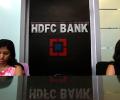
Having issued over 21 lakh cards since lifting of curbs last year, the country's largest private sector lender HDFC Bank is planning to launch a slew of digital initiatives over the next few quarters, a top official said. The Reserve Bank had barred HDFC Bank from issuing new credit cards following incidents of outages in the lender's internet banking /mobile banking/ payment utilities over the previous two years. The curbs were partially lifted after eight months in August last year. Finally, in March 2022, the RBI lifted all restrictions placed on the bank, including digital launches.

Kaizad Bharucha, executive director of HDFC Bank, emerged the highest earning banker for 2021-22 (FY22). This was revealed in a remuneration assessment of the country's top bankers, according to annual reports. Bharucha, who oversees wholesale banking at HDFC Bank, received Rs 10.64 crore remuneration in FY22, mainly due to Rs 4.46 crore as performance bonus. Although earned between 2017-18 and 2020-21 (FY21), the bonus payout was partly paid in FY22.

'We have opened 100 branches in the last one and a half years. Our manpower is also in place.'

From the Sensex pack, Nestle India, HCL Technologies, Tech Mahindra, Bharti Airtel, Titan, Infosys, Asian Paints, NTPC, Bajaj Finserv and Sun Pharmaceuticals were among the laggards. State Bank of India, IndusInd Bank, Zomato, Power Grid, ICICI Bank, Tata Motors, Mahindra & Mahindra, Tata Consultancy Services and Adani Ports were the gainers.

Equity indices chalked up losses for the second straight session on Monday, in tandem with a bearish trend overseas as ratcheting up of hostilities in Ukraine and prospects of further rate hikes by the US Fed soured global risk sentiment. The rupee slipping to another all-time low against the US dollar amid foreign fund outflows added to the gloom, traders said. After tumbling over 800 points in intra-day trade, the 30-share BSE Sensex clawed back some lost ground to end 200.18 points or 0.34 per cent lower at 57,991.11.
From the Sensex pack, Bharti Airtel, Titan, Tata Consultancy Services, Hindustan Unilever, Infosys, Nestle, Reliance Industries, Mahindra & Mahindra, HDFC Bank and Tata Motors were the biggest gainers. However, IndusInd Bank, Bajaj Finance and UltraTech Cement were the laggards.
Investors will take cues from the December quarter corporate earnings, with blue-chips like Infosys, Reliance Industries scheduled to report their results this week, in addition, inflation data and trading activity of foreign investors will also be crucial in dictating market trends, analysts said.
From the Sensex pack, Zomato jumped nearly 5 per cent, followed by Titan which climbed almost 4 per cent. IndusInd Bank, Maruti, Tech Mahindra, Adani Ports, Bharti Airtel and HDFC Bank were also among the gainers.
Ask rediffGURU and PF and MF expert Janak Patel your mutual fund and personal finance-related questions.
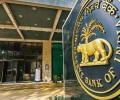
The RBI on Tuesday said state-owned SBI, along with private sector lenders ICICI Bank and HDFC Bank continue to be Domestic Systemically Important Banks (D-SIBs) or institutions which are 'too big to fail'. SIBs are perceived as banks that are 'too big to fail (TBTF)'. This perception of TBTF creates an expectation of government support for these banks in times of distress. Due to this perception, these lenders enjoy certain advantages in the funding markets.

HDFC Bank was the top loser in the Sensex pack followed by IndusInd Bank, Axis Bank, HDFC, Maruti and Bajaj Finance. NSE Nifty fell 171 points to 15,752.40.

Country's biggest mortgage lender HDFC on Tuesday announced a festive offer in line with peers like SBI with home loans starting from 6.70 per cent. Last week, SBI as part of festival bonanza offered a concessional home loan rate of 6.70 per cent under its festive offer. This was followed by other lenders like Punjab National Bank and Bank of Baroda.

From the 30-share Sensex pack, Mahindra & Mahindra, Tech Mahindra, HDFC Bank, Titan, Tata Motors, UltraTech Cement, Power Grid and Infosys were the biggest gainers. In contrast, Reliance Industries, State Bank of India, Bajaj Finserv, Maruti, Tata Steel and Bharti Airtel were among the laggards.

Dalal Street investors were a poorer lot on Monday as their wealth eroded sharply by Rs 14 lakh crore following a sharp decline in benchmark indices amid a global market meltdown due to recession fears. The 30-share BSE Sensex tumbled 2,226.79 points or 2.95 per cent to settle at 73,137.90. Intra-day, the benchmark slumped 3,939.68 points or 5.22 per cent to 71,425.01.
All Sensex shares, except for Hindustan Unilever, ended with losses. Tata Steel fell the most by 7.33 per cent followed by Larsen & Toubro which cracked 5.78 per cent. Tata Motors, Kotak Mahindra Bank, Mahindra & Mahindra, Infosys, Axis Bank, ICICI Bank, HCL Technologies and HDFC Bank were the other big laggards. Hindustan Unilever ended marginally higher.
Tech Mahindra, the top loser in the Sensex pack, shed over 2.5 per cent. It was followed by UltraTech Cement, Reliance Industries, HCL Tech, HDFC, Kotak Bank, HDFC Bank and TCS. NSE Nifty plunged 179.35 points to 17,745.90.
One should avoid keeping excessive funds in one's savings account.

Brokerages expect a further slowdown in Indian firms' revenue and earnings growth in Q4FY25, following low single-digit growth in the preceding three quarters, as factors like weak consumer demand and credit growth linger on.

Gold prices advanced Rs 700 to reach a new lifetime high of Rs 91,950 per 10 grams in the national capital on Wednesday on the back of continued buying by jewellers ahead of wedding season, according to the All India Sarafa Association. Besides, increased tensions in the Middle East and concerns about the US economic slowdown have kept the demand for safe-haven assets intact.
This is not for the first time that the customers of the bank have faced service outage. In fact, the bank has been penalised by the Reserve bank of India (RBI) for two major outages in the past. In December, the RBI temporarily barred HDFC Bank from launching new digital banking initiatives and issuing new credit cards after taking a serious view of service outages at the lender over the last two years.
Ramalingam Kalirajan offers some easy steps to reactivate your accounts with banks like SBI, HDFC Bank, IDFC First Bank and PNB just so that you can start availing all the benefits linked to your account.

The Bombay High Court ruled that a comment on a woman colleague's hair, even if accompanied by a song, does not constitute sexual harassment at work. The court set aside a bank's internal report and an industrial court order that had found a senior executive guilty of misconduct under the POSH Act, arguing that the alleged actions did not amount to sexual harassment. The court noted that the complainant herself had not perceived the comment as sexual harassment at the time and later expressed gratitude to the executive.
Mahindra & Mahindra, Bharti Airtel, Infosys, Tata Motors, Titan, Tata Consultancy Services, Nestle and Maruti were also among the major laggards. HDFC Bank emerged as the only gainer from the pack.
Defying trends, the country's largest private sector lender, HDFC Bank, has shifted its asset mix significantly towards high-rated segments. As a result, its wholesale-to-retail mix has tilted heavily in favour of wholesale, even at the cost of margins. Further, it is even looking to ramp up its branch network, with an aim to service clients within a 1-2 km radius rather than the current 5-6 km radius.
From the Sensex pack, Adani Ports, Tata Steel, Power Grid, Mahindra & Mahindra, NTPC, Tech Mahindra, Tata Motors, ITC, Nestle India, HCL Technologies, Bharti Airtel, State Bank of India, Asian Paints and Kotak Mahindra Bank were the gainers. Bajaj Finance, IndusInd Bank, HDFC Bank, and Zomato were the laggards.

From the 30 blue-chip pack, Tata Motors, Titan, Tata Steel, State Bank of India, Mahindra & Mahindra, NTPC, ICICI Bank, Maruti, HDFC Bank and Infosys were among the biggest laggards. Zomato, Tech Mahindra, HCL Tech and IndusInd Bank were among the gainers.

From the 30-share Sensex pack, Mahindra & Mahindra, Tata Steel, Adani Ports, JSW Steel, IndusInd Bank, Reliance Industries, HDFC Bank and Kotak Mahindra Bank were the biggest laggards. Tata Motors, NTPC, Hindustan Unilever, Asian Paints and Infosys were the gainers.
