
China, Indonesia ready to agree to a four-year interim solution.

India is likely to go offensive on some of the contentious agriculture issues at the G-33 ministerial meeting in Jakarta where developing countries will firm up their stand for the ongoing WTO negotiations.

The US has come up with a new WTO proposal to find a permanent solution to food stockpiling.

Omkeshwar Singh, head, Rank MF, a mutual fund investment platform, answers your queries.

India's Food Security Act entitles 82 crore people to 5 kg of foodgrains per person a month at Rs 1-3 per kg.

Under the TFA, a proposal of developed countries, WTO members are negotiating ways to facilitate trade, simplify and harmonise customs rules and reduce transactions cost. Although India is willing to negotiate on TFA, it has raised few concerns over the proposed agreement.
Refusing to budge from its tough stand on food security issues, India pressed for a fair and balanced outcome of the WTO ministerial meeting in Bali.
The chair for Doha agriculture negotiations, Ambassador Crawford Falconer, circulated the working documents on different elements of the market-access pillar that include the treatment of special farm products.

If the WTO talks in Bali fail, it will adversely impact India.
WTO chief Pascal Lamy has asked India to give increased market access for agricultural products and contribute toward advancement of the contentious Doha Round of global trade talks.

As Commerce and Industry Minister Anand Sharma ruled out any possibility of a compromise, whispers were already being heard of a possible collapse of the talks.

No large nation has done less to feed its millions of poor than India has in the past decade or two since the beneficial effects of the Green Revolution wore off.

The fate of the ministerial conference was sealed after assistant US trade representative Sharon Bomer Lauritsen said permanent solution to the food stockholding issue was not acceptable to America.

India rejected the proposed interim measure and trade facilitation agreement, risking an outright collapse of the ongoing talks.
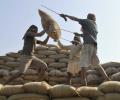
New Delhi to push for services trade facilitation & food stockpiling.
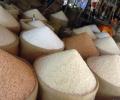
Earlier this year, the US accused India and China of exceeding the WTO limits on farm subsidies, saying these caused trade distortion.

As hard bargains continue for the next four days at the picturesque tourist resort of Indonesia, the ministers., including from the influential developed countries will try and reach agreements on providing windows to the developing nations for their food security programmes and a pact to free the global trade from the procedural hassles at the customs.
.jpg)
Trade ministers and diplomats from around 130 countries are participating in the four-day meeting that started on Tuesday.

Indonesian Trade Minister Gita Wirjawan, Chair of the Ninth Ministerial Conference, and the three Vice Chairs, in a joint statement, urged 'all WTO members to come together over the next few days to make the necessary breakthroughs, working closely with WTO Director General Roberto Azevedo.'

WTO's new director has said that the issue needs to be addressed in a positive manner.

According to the final draft of the negotiating text circulated by WTO Director-General Roberto Azevedo among trade ministers of the 159 member countries on Wednesday night, on public stockholding for food security purposes, a developing country like India can provide subsidies for farm support even if those exceed the permissible 10 per cent cap.

Critics have even suggested that India is doing this because it is not prepared to take on the requirements of TFA, with a relatively weak trade infrastructure.

In an interview with Nayanima Basu, the DG lauds the efforts of Indian negotiators in bringing the deal on the table.
 © 2026 Rediff.com - Advertise with us - Disclaimer - Privacy Policy - Sitemap - Feedback - About us - Terms of use - Grievances