
The FIIs' stake in Reliance Industries has increased from 20.22 per cent at the end of the March 2007 quarter to 20.85 per cent at the end of the June 2007 quarter, according to the BSE's shareholding pattern data.

From the Sensex pack, Larsen & Toubro, Bajaj Finserv, Mahindra & Mahindra, UltraTech Cement, State Bank of India, IndusInd Bank, Reliance Industries and Sun Pharma were among the biggest gainers. Bharti Airtel, Titan, ITC, Kotak Mahindra Bank, Tech Mahindra and HDFC Bank were among the laggards.

Till October 14 this year, FIIs were net sellers in equities at Rs 1,132 crore (Rs 11.32 billion) while their debt exposure stood at Rs 20,029 crore (Rs 200.29 billion). This is the first time since 2008 that FIIs are net sellers in equities.
Foreign institutional investors (FIIs), bearish till recently on the Indian equity market, seem to be having a change of heart.

From the Sensex basket, Larsen & Toubro, Maruti, Reliance Industries, Nestle, Bharti Airtel, UltraTech Cement, Kotak Mahindra Bank and JSW Steel were among the major laggards. Bajaj Finance climbed nearly 1 per cent higher.

Of the 16 FMCG firms, 12 companies saw an increase in their respective foreign institutional investors holding in three months ended September 2013 over the year-ago period, while the remaining four witnessed a decline in FIIs stake, according to a report by A C Choksi Share Brokers.
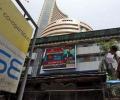
Among the Sensex components, Nestle, Maruti, IndusInd Bank, ICICI Bank, Hindustan Unilever, Larsen & Toubro, Tata Consultancy Services, Infosys, HDFC Bank and Axis Bank were the major laggards. Tata Steel, JSW Steel, Power Grid, Tech Mahindra and State Bank of India were among the gainers.

Benchmark BSE Sensex declined for the fourth day in a row on Wednesday due to selling in financial and banking shares and the government's move to hike securities transaction tax and short term capital gains tax. The 30-share BSE Sensex declined 280.16 points or 0.35 per cent to settle at 80,148.88 with 19 of its components closing lower and 11 with gains. During the day, it tumbled 678.53 points or 0.84 per cent to 79,750.51.

Investors' wealth eroded by Rs 9.51 lakh crore on Monday morning, following a crash in equity markets where the benchmark Sensex tanked over 2,400 points, mirroring a sharp plunge in global peers. The 30-share BSE benchmark tanked 2,401.49 points to 78,580.46 in early trade. Following the sharp decline in equities, the market capitalisation of BSE-listed firms dropped by Rs 9,51,771.37 crore to Rs 4,47,65,174.76 crore ($5.35 trillion) during the morning trade.

Among the Sensex pack, HDFC Bank, ICICI Bank, Kotak Mahindra Bank, Bajaj Finance, IndusInd Bank, Bharti Airtel and Nestle were the biggest gainers. Tata Consultancy Services, Sun Pharma, Infosys and Tata Motors were among the laggards.

In the Sensex pack, Mahindra & Mahindra tanked over 6 per cent after the company cut the prices of its SUV models to boost demand. Mahindra & Mahindra said its XUV700's fully-loaded AX7 range now starts at Rs 19.49 lakh, a price cut of over Rs 2 lakh. Tata Steel, Tata Consultancy Services, HCL Technologies, State Bank of India, JSW Steel, Tata Motors and Kotak Mahindra Bank were other losers.
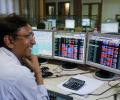
Benchmark Sensex rose by 443 points to close at a new record high while Nifty settled above the 24,100 mark on Monday on buying in banking and IT shares in line with gains in Asian and European markets. The 30-share BSE Sensex settled higher by 443.46 points or 0.56 per cent at an all-time high of 79,476.19.
Reflecting the continued interest in Indian equity markets, foreign institutional investments this year have crossed the four billion dollar mark.
Market regulator SEBI on Tuesday relaxed the reporting requirement on lending of securities by FIIs for the purpose of short selling.

From the Sensex pack, Tata Motors, Asian Paints, HDFC Bank, JSW Steel, Hindustan Unilever, Nestle and Titan were the major laggards. In contrast, Bharti Airtel, Power Grid, NTPC, Mahindra & Mahindra, Larsen & Toubro and HCL Technologies were among the major gainers.
Data points in India have always been a sticky issue but the FII figures divulged by the market regulator Sebi are turning out to be quite misleading.

Among the Sensex pack, Tata Steel tumbled over 5 per cent while JSW Steel tanked nearly 5 per cent. Tata Motors, NTPC, UltraTech Cement, Tech Mahindra, Bajaj Finance, Power Grid, Mahindra & Mahindra, and Reliance Industries were the other major laggards.

The aggregate value of overall FII holding is an estimated $240 billion.

Among the 30 Sensex companies, Axis Bank, HDFC Bank, ICICI Bank, Kotak Mahindra Bank, IndusInd Bank, State Bank of India, Infosys, Wipro, Tech Mahindra and HCL Technologies were the gainers. On the other hand, Titan, Maruti, Bharti Airtel, Larsen & Toubro, NTPC, Reliance Industries, Bajaj Finance and Power Grid were among the laggards.

Nestle, State Bank of India, Power Grid, Tata Steel, Larsen & Toubro and Mahindra & Mahindra were the other major gainers. In contrast, Tech Mahindra, Axis Bank and Reliance Industries were the laggards.

Among the 30 Sensex companies, Power Grid, Axis Bank, State Bank of India, Bajaj Finserv, Reliance Industries and NTPC were the biggest gainers. Tech Mahindra, Infosys, Wipro, HCL Technologies and Titan were among the laggards.
Sebi has allowed them to re-invest half of their investments in debt holdings to the next calendar year, starting from January 2014.
Among the 30 Sensex firms, Asian Paints, Infosys, JSW Steel, UltraTech Cement, Power Grid, Larsen & Toubro, HCL Technologies and Tata Steel were the biggest laggards. Tata Motors, HDFC Bank, Bharti Airtel, ITC, IndusInd Bank and Axis Bank were the gainers.

The US Fed interest rate decision, ongoing quarterly earnings, macroeconomic data and FII trading activity are the major triggers that will drive stock markets this week, analysts said. Investors would also track global market trends and the movement in global oil prices for further cues. "This week, the focus will shift to global cues, particularly the US markets," Santosh Meena, Head of Research, Swastika Investmart Ltd said.
Bulls of the Dalal Street once again managed to breach the 12,000-mark on Thursday, but the latest drive to this once-beaten milestone had less of foreign support that the Indian equity market has been getting through FII inflows.
Among the 30 Sensex companies, Mahindra & Mahindra, Power Grid, Sun Pharma, Nestle, UltraTech Cement, NTPC, ITC, ICICI Bank, Titan, Bajaj Finserv, Bharti Airtel, and HDFC Bank were among the biggest gainers. IndusInd Bank, Adani Ports, Tata Steel, Reliance Industries, Axis Bank and Bajaj Finance were among the laggards.
From the Sensex basket, Power Grid, NTPC, JSW Steel, Asian Paints, ITC, Bharti Airtel, Hindustan Unilever and Tata Motors were the biggest gainers. On the other hand, Tata Consultancy Services, Kotak Mahindra Bank, Infosys, Wipro, Mahindra & Mahindra and HDFC Bank were among the laggards.

FIIs have offloaded shares of Bajaj Corp, Nestle, Jyothy Laboratories and Britannia.

Release of key macroeconomic numbers, monthly derivatives expiry, and global cues are likely to drive stock market movement this week, according to analysts. Markets will also be reacting to remarks made by the US Federal Reserve Chair Jerome Powell, they said. "This week, we expect the market to witness a gradual up-move with stock-specific action.
From the 30 Sensex pack, State Bank of India, Mahindra & Mahindra, Bharti Airtel, Titan, HDFC Bank, IndusInd Bank, Axis Bank and Bajaj Finance were the biggest laggards. JSW Steel, Tech Mahindra, Larsen & Toubro, Hindustan Unilever, HCL Technologies and Reliance Industries were among the gainers from the pack.

'If you look at where inflation (headline and core) is today in India and where the rates are, there's clearly room to cut rates.'

Among the 30 Sensex companies, Tech Mahindra, HCL Technologies, State Bank of India, NTPC, Infosys, Larsen & Toubro, Tata Consultancy Services and Wipro emerged as the biggest gainers. Hindustan Unilever, Asian Paints, Mahindra & Mahindra, Nestle, IndusInd Bank and Sun Pharma were among the laggards.
Benchmark Sensex declined over 45 points in highly volatile trade on Wednesday, tracking weak Asian markets and continuous foreign fund outflows. Declining for the second straight session, the 30-share BSE Sensex fell 45.46 points or 0.06 per cent to settle at 73,466.39. During the day, it went lower by 437.93 points or 0.59 per cent to 73,073.92.
From the Sensex basket, Power Grid, IndusInd Bank, Tata Motors, JSW Steel, NTPC, HCL Technologies, Tata Steel, ICICI Bank, Mahindra & Mahindra, Axis Bank, HDFC Bank and Reliance Industries were among the major laggards. Among the gainers, Hindustan Unilever climbed over 5 per cent. Tech Mahindra, Nestle, ITC, Wipro, Tata Consultancy Services and Kotak Mahindra Bank were the other major gainers.
Among the 30 Sensex companies, IndusInd Bank, Axis Bank, ICICI Bank, Bharti Airtel, Kotak Mahindra Bank, Maruti, JSW Steel and Bajaj Finserv were among the laggards. In contrast, Reliance Industries, Tata Motors, Asian Paints, Nestle and Titan were the biggest gainers.
