
A few days back, Atul Ganatra, president of the Cotton Association of India, presented a grim scenario of the crop's prospects in the 2024-25 season that starts in October. Addressing the association's annual general meeting, Ganatra said the area under the crop could go down by at least 10 per cent in the coming season due to falling yields and realisation, leading to farmers losing interest. The fear of a decline in acreage comes against the backdrop of India's cotton production probably falling to its lowest in a decade, according to estimates.
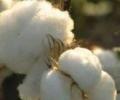
The Bt cotton variety Bollgard-I, which is the most widely used variety in India, has been phased out in many countries.

The Central Institute for Cotton Research (CICR), the cotton research institute of the Indian Council of Agricultural Research, has contested Monsanto's claim that the pink bollworm, a pest that feeds on cotton, has developed resistance to its Bollgard cotton.

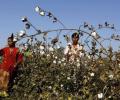
Such a drastic intervention overrides existing private bilateral commercial contracts
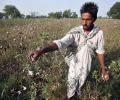
Monsanto has taken the government to court over the royalty.

India is capable of developing GM crops, Randy Hautea, global coordinator for International Service for the Acquisition of Agri-Biotech Applications, tells Kanika Datta.

It is regrettable that the IB has tried to devalue the expertise available both within the concerned ministry and in the scientific community by its allegations. Governments and NGOs in many western nations have not been accused of being 'anti-national' when they put their foot down on questionable practices by cash rich agri-business companies, says Rashme Sehgal.
 © 2026 Rediff.com - Advertise with us - Disclaimer - Privacy Policy - Sitemap - Feedback - About us - Terms of use - Grievances