
Tomato prices are likely to touch Rs 300 per kilogram in the coming days and the prices of vegetables are also on the rise, according to wholesale traders. Kaushik, a member of Agricultural Produce Marketing Committee (APMC), said that vegetable wholesalers are facing losses as the sale of tomato, capsicum, and other seasonal vegetables has fallen drastically. He said that the prices of tomatoes have shot up to Rs 220 per kilo from Rs 160 per kilo in the wholesale market, owing to which retail prices can also go up.
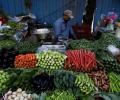
Unprecedented rains and floods in the northern region in the past few days have not only caused extensive damage to lives and property but have also impacted business and commercial establishments. Vegetable prices have gone through the roof in the national capital and many other parts of the country since rains started pouring earlier this month. Traders say vegetable prices would come down only after roads open and skies clear, even as water in the fields will take time to recede.
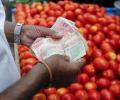
Trade sources believe that tomato supply from Maharashtra has slumped due to incessant rain in the state towards the fag end of the monsoon season, reports Dilip Kumar Jha.
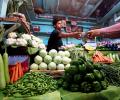
While okra was being sold for Rs 100-120 a kg and cauliflower for Rs 120-140 a kg in Mumbai and its suburbs, all other vegetable prices have increased by almost 100 per cent since July 20.
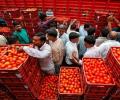
Vegetable vendors and wholesalers have blamed rains for disruption in tomato supply, leading to the price of the kitchen staple skyrocketing in retail markets of the national capital. Local vendors are selling tomatoes in the price range of Rs 80 to Rs 120 per kg, depending on the quality and the localities. Anil Malhotra, a member of the Azadpur Agricultural Produce Marketing Committee (APMC), said tomato prices shoot up every monsoon but it was never this high.
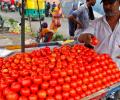
8 out of 10 households are planning to cut their tomato consumption if prices stay in the Rs 75-150 kg range over the next three months.
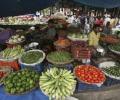
The forecast of deficient monsoon rainfalls scared farmers.
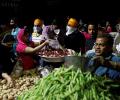
There have been several instances of traders dumping fruits and vegetables outside mandis. Or of farmers dumping produce outside their villages or feeding them to their animals.
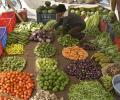
In most cases, however, retail consumers are paying higher prices in the absence of direct procurement from aggregator or farmers.

Price of ladies finger shot up staggering 236% at Vashi wholesale market last month.
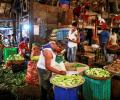
Farmers remained hesitant in sowing vegetable seeds in drought-hit areas.

A deficient rainfall season starts with heavy showers.
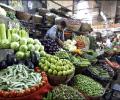
The southwest monsoon season was deficient by 16 per cent.

Most key rabi-producing states of north India, such as Madhya Pradesh and Rajasthan, have staggered their procurement to enable farmers to come in batches, so that there is no overcrowding. The Centre has also set up a call centre to coordinate the inter-state movement of farm commodities.
 © 2026 Rediff.com - Advertise with us - Disclaimer - Privacy Policy - Sitemap - Feedback - About us - Terms of use - Grievances