
GDP growth in November is the second-highest since January 2012 when it had expanded 5.7%.

The IS curve is a measure of the sensitivity between GDP and prevailing interest rates.
The total demand has remained subdued mainly due to high interest rates and property prices.
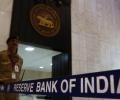
It has already cut the rate three times this year to loosen credit and boost slowing growth in Asia's third-largest economy.

In 2014, the benchmark Sensex rose by 6,328.74 points or 30 per cent and recorded a record high of 28,822.37 on November 28.

India's latest GDP numbers do not signal robust economic growth in near term.

Though it is likely gross domestic capital formation increased in the quarter ended June, against declines in the previous two quarters, a significant revival in investment might take a few quarters more, economists say.

Search is on for reliable indicators of underlying activity.

The muted CPI inflation print at 5% earlier this week, followed by a similar WPI number released Wednesday, seems to have spurred India's central bank into action, is how the economists are reading into Reserve Bank of India governor Raghuram Rajan's 25 basis point cut in repo rate.

Even as the Indian benchmarks, the BSE Sensex and Nifty 50, crumbled over three per cent today, experts are optimistic about the Indian economy and believe investors can still make 30 per cent plus returns in 2015
 © 2026 Rediff.com - Investor Information - Advertise with us - Disclaimer - Privacy Policy - Sitemap - Feedback - About us - Terms of use - Grievances