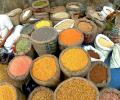
On a day when several mandis across the country are closed in protest against the recent Centre's decision to impose stringent stock-holding limit on pulses, the government clarified that limits have been defined as retail prices are still higher than last year though there is some moderation in the last few weeks. It said the same logic also holds true for edible oils, the import duties on which was slashed few days back and curbs lifted on import of refined oils. The decision on edible oil and pulses have caused massive resentment among the trading community as it came just ahead of the kharif sowing season, when prices were off their peaks due to multiple steps announced previously. Sources said trading activity in some of the major mandis dealing in pulses such as Sholapur, Amravati and Latur in Maharashtra, Indore and Dewas in Madhya Pradesh along with Kanpur in Uttar Pradesh was impacted as traders went on a flash strike in protest against the decision to impose stock limits.
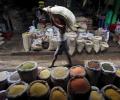
According to government data, the prices have still not crossed the MSPs in some mandis.

The RBI said recently that the upsurge in inflation in April was led by food and commodity prices.
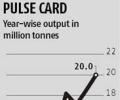
The India Pulses and Grains Association estimates production of kharif pulses at seven mt this year.
 © 2026 Rediff.com - Investor Information - Advertise with us - Disclaimer - Privacy Policy - Sitemap - Feedback - About us - Terms of use - Grievances