
Officials said good rain in August - though it might not improve acreages much for most crops except urad, moong, and paddy - would help in improving yields in the crops already planted.

El Nino is expected to occur in August-September, but it is unlikely to have any major impact on the monsoon, and the weatherman expects a positive Indian Ocean Dipole, which has a strong influence on rainfall in the country.

Officials in the weather department said the monsoon is expected to be below normal because of the El-Nino effect.
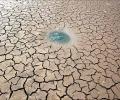
Total area impacted across India pegged at 18.9 mn hectares.

This could have huge implications for agriculture, food prices, supply and overall economic growth of the country
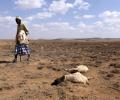
Weather watchers said it can't be known till May whether El Nio will impact the monsoon or not.
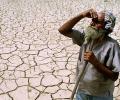
The arrival of the June-September rains has been delayed.

The rocket is almost 49 meters high -- as much as a 17-floor building. It weighs 415 tons -- as much as the combined weight of 80 full grown elephants.

The official India Meteorological Department (IMD) and the private Skymet Weather Services have made widely divergent monsoon forecasts.

'The last time we had such a late withdrawal of monsoon was in 1960 or so.'

Till Thursday, the country had received 41 per cent less June rainfall than normal - the scantiest in a decade and one of the rarest occasions when the shortfall in the month was more than 30 per cent - private weather forecaster Skymet said in its daily weather forecast on Friday.
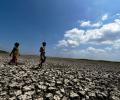
'The first two months of monsoon are not looking good.' 'In case both the halves fail, it is going to be misery.'

Though the summer is expected to be hotter, global and domestic forecasts point to good rains.
Dozens of farmers have already committed suicide in India after damage from unseasonal rains this year.

'It affects our economy, it is very important in many ways.' 'So we have to be the foremost experts in the world on the monsoon.' 'But the best minds in India have not devoted their time to the study of monsoon and they have followed the fashions of the West.'

The IPCC has blamed man-made emissions for warming of the globe and long term climate change. Limiting climate change, therefore, will require substantial and sustained reduction of greenhouse gas emissions. This is the message to politicians and policy makers of the world, says Dinesh C Sharma
 © 2026 Rediff.com - Investor Information - Advertise with us - Disclaimer - Privacy Policy - Sitemap - Feedback - About us - Terms of use - Grievances