

Arora's appointment brings no real transfer of power, says Una Galani.

Shareholders may once again be underestimating the staying power of the company's margins.

Regulators will need to allow the model to evolve to allow profits to flow, says Una Gulani.

Ambani's $15 bn bet will upend Indian telecom

Make in India has big shortcomings when it comes to natural resources.

While Modi must worry about the electoral backlash of bailing out state-owned banks, China's communist rulers face fewer constraints.

The government has made it much harder for tycoons to get special dispensations from Delhi
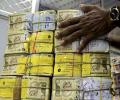
India is Asia's other bad debt headache.

Struggling, corrupt construction industry will be challenged by the prime minster's $250-billion plan

RBI governor Raghuram Rajan is likely to cut rates in next monetary policy.

India's banks are propping up too many weak producers.

Indian states are preparing for a Rs 1.9 lakh crore (Rs 1.9 trillion) tax windfall this fiscal year.

Governor Rajan can be more unambiguously pro-growth.

Curbing the federal deficit is the government's absolute priority on February 28.

The upcoming Budget gives Finance Minister Arun Jaitley a chance to let states boost spending.

Global disinflation has finally caught up with India's high-cost economy.

Narendra Modi's pay-off from relaxing labour laws would be huge.
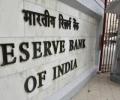
The idea is to boost household savings and turn more of them into growth capital. If the plan succeeds, sustained eight per cent-plus rates of gross domestic product growth should be within reach in a few years.

It was the rejection of the Congress' welfarist economics by voters that led to the party's drubbing, says Andy Mukherjee.

Raghuram Rajan is correct -- the RBI's monetary response to inflation in the past has been too weak.

The biggest lesson China can teach India is that when it comes to sustaining a love affair with investors, nothing works better than an undervalued currency and its by-product: a current-account surplus.
