
The Real Effective Exchange Rate (REER) of the rupee moderated in December to 107.20 after hitting a peak of 108.14 in November, latest data released by the Reserve Bank of India (RBI) showed. The REER was 103.66 in January 2024. The rupee depreciated around 3 per cent against the dollar in 2024.

The rupee is undervalued as compared to its peers, shows the latest data from the Reserve Bank of India (RBI), even as the local currency keeps hitting new lows.

So far this year, the rupee has fallen by 4.2 per cent, the worst among its Asian peers.

The Indian rupee depreciated a modest 2.9 per cent in the first nine months of the current fiscal, performing better than other currencies like the Canadian Dollar, South Korean Won and the Brazilian Real, according to the Economic Survey tabled in Parliament on Friday. The value of the Indian Rupee (INR) is market-determined, with no target or specific level or band.

The rupee remains overvalued against the currencies of India's trading partners, even as it hit record lows against the dollar in August and September. According to the Reserve Bank of India's (RBI) real effective exchange rate (REER) index, the rupee stood at 5.5 per cent above its fair value in August, down from 7.7 per cent in July. This slight easing followed fears of a US recession and the unwinding of yen carry trades, which exerted pressure on the Indian currency.
The Reserve Bank of India (RBI) was a net seller of the US dollar in August, reversing its net buying position from July. During the current financial year up to August, the central bank had sold a net $1.11 billion. The RBI sold a net total of $6.49 billion worth of the foreign currency in August, according to the central bank's monthly bulletin.

The recent depreciation of the rupee along with sharp fall in the country's foreign exchange (FX) reserves has sparked a debate whether stability of the exchange rate is necessary and desirable. The rupee was one of the least volatile currencies among peers for almost two years before the current downward pressure started in September after the US Federal Reserve lowered interest rate.


The RBI governor is focused on growth, and keeping rupee slightly depreciated is part of that 'Atmanirbhar Bharat' strategy.

If the REER is to be restored to its 2004-05 level, the rupee has to depreciate a lot, says V K

'It is time to allow the rupee to move towards its true value, as it is hurting Indian exports, investment and SMEs associated with export sectors that create jobs,' argues Pravakar Sahoo.

A strong currency helps in fighting some of the import-led inflation.
The currency market won't care for our moans, groans, cries and sighs. The rupee will find its own level, explains Tamal Bandyopadhyay.

Going by the real effective exchange rate, the rupee is overvalued

The criticism that the Reserve Bank of India was behind the curve in hiking interest rate to tame rising inflation is unfair, former RBI Governor D Subbarao said on Wednesday and asserted that it is difficult for any central bank to anticipate the future more accurately. Earlier this month, Monetary Policy Committee (MPC), the central bank's rate-setting panel, surprised the markets with a 40 basis points hike in repo rate in an off-cycle policy meeting. It was also the first rate hike after August 2018, amid spiralling inflation.
A gradual weakening of the rupee, however, may add to inflationary pressures.
While RBI's foreign exchange reserves have swelled to over $400 billion, it has a 'sell' position of $981 billion.
So far, India has attracted over $20 billion in the debt segment, thanks to the rate differential.
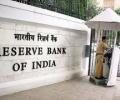
The rupee has not depreciated enough against other currencies.

Data on the real value of the currency against other currencies tells a different story.

But weak global demand, costly imports play spoilsport

The rupee's recent decline is sharp, yes, he says, but the tale would be scary if India was like the Asian crisis countries of 1997-98, or even Argentina in 2001, when large amounts of debt was denominated in foreign currency. According to him, India's percentage of external debt to GDP was around 20

Rupee volatility could be dampened if it is steadily manoeuvered to levels consistent with inflation differentials, say Jaimini Bhagwati and Abheek Barua
The fact that the trade and current account deficit seem to be alarmingly large (the July trade deficit was about $13 billion) adds a sense of urgency to these concerns.

Traders believe the RBI will step in more strongly, if the rupee starts falling towards 65
It is high time to manoeuvre the rupee more effectively and predictably, even as it has to be recognised that such tweaking of the rupee needs to be accompanied by reforms to the real sector and factor markets.
The rupee appreciation will most likely lead to lower inflation and less ambiguity.
An undervalued rupee is critical if India is to generate enough employment, but the RBI doesn't seem too concerned.
The rupee was overvalued by 12.21 per cent as on April 18, 2007, according to the Reserve Bank of India. The rupee, which was Rs 41.98 per dollar on April 18, surged further to close at a nine-year high of 41.67/68 on Monday.
India's real gross GDP grew by 7.4 per cent year-on-year in the second quarter of 2004 and the rupee depreciated by less than 1 per cent in the first half of the same, the US treasury department has said in a report.

A continued focus on low inflation will be important to keeping gold imports, IMF said.

Due to tax associations with the fiscal-ending, April is a month of SIP renewal. So, the April numbers will be important and may perhaps, mark a change in retail attitude.
RBI is unlikely to stem the slide against the dollar as the greenback is rising rapidly against all currencies in the world.

The rupee is currently hovering around Rs 65/USD at 2-year lows.

If net forex outflows turn out to be relatively high in the next few years, the rupee could depreciate beyond Rs 80 to a dollar by 2022. The causal reasons could, for example, include unmet expectations of FPI and FDI investors about the performance of the Indian economy, sharp rise in prices of imported oil and decrease in FX remittances. The RBI has to ask itself whether guaranteeing future rupee-dollar exchange rates on FX forward contracts is a reasonable way to use its risk-bearing capacity, says Jaimini Bhagwati.

If the RBI governor's logic holds, the rupee is far from being extremely overvalued.

Many things could play spoilsport for the Indian economy.

To the extent that monetary variables affect investment, the weather, thus, looks far less clement.
 © 2026 Rediff.com - Investor Information - Advertise with us - Disclaimer - Privacy Policy - Sitemap - Feedback - About us - Terms of use - Grievances