
From the Sensex pack, Bharti Airtel, Asian Paints, Infosys, Bharat Electronics, Tech Mahindra and Eternal were major laggards. However, Maruti, Tata Steel, Bajaj Finance, Bajaj Finserv, Trent and Tata Consultancy Services were among the gainers.

Maruti Suzuki says it has sold at least one car in 418,000 villages.

Sensex sinks 573 pts on global tensions and high crude prices

From the Sensex firms, Kotak Mahindra Bank, Eternal, Asian Paints, NTPC, Bharat Electronics Ltd, Adani Ports, Infosys and State Bank of India were among the major gainers. However, Titan tumbled over 6 per cent. Trent, Axis Bank, Maruti and Hindustan Unilever were also among the laggards.

From the Sensex firms, Mahindra & Mahindra, Bajaj Finserv, Tech Mahindra, Power Grid, ITC, Hindustan Unilever, Reliance Industries and Maruti were the biggest laggards. IndusInd Bank, Bharti Airtel and UltraTech Cement were the gainers.

The country's biggest carmaker, Maruti Suzuki India, has raised concerns about the continuing slide in small car sales.

Maruti Suzuki India on Friday said it is recalling 7,213 units of its Baleno RS model due to a suspected defect in vacuum pump, which assists brake function. The recall will impact vehicles manufactured between October 27, 2016 and November 1, 2019, Maruti Suzuki India said in a regulatory filing. "It is suspected that there is a possible defect in vacuum pump, which assists the brake function.

'The reported deal between the European Union and China should mitigate it (shortage) for the medium to long term. Let's wait and watch how this plays out.'
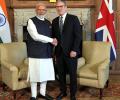
For UK automakers, market access to India will be limited by quantity caps and phased tariff cuts, especially on petrol, diesel and electric vehicles.
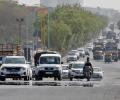
Domestic passenger vehicle wholesales were down 0.8 per cent at 3,44,656 units in May this year as compared to 3,47,492 units in the same month last year, Society of Indian Automobile Manufacturers said on Monday.
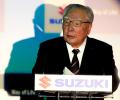
'Without his vision and foresight, his willingness to take a risk that no one else was willing to take, his deep and abiding love for India, the Indian automobile industry could not have become the powerhouse that it has become.'
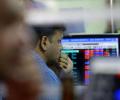
From Sensex firms, Eternal dropped the most by 4.10 per cent. Maruti, Mahindra & Mahindra, UltraTech Cement, Power Grid, Nestle, Bajaj Finance, Hindustan Unilever and Asian Paints were also among the laggards. HDFC Bank dropped by 1.26 per cent and index major Reliance Industries by 1.13 per cent. Tata Steel, Infosys and ITC were the gainers.

Global energy giant Shell has acquired Mumbai-based Raj Petro Specialities to deepen its foothold in the world's third biggest lubricants market in the world, a top company official said. Shell, which has already invested over $5 billion in India across the energy value chain -- from LNG import terminals and fuel stations to renewable energy and technology centres -- has acquired 100 per cent equity interest in Raj Petro Specialities Pvt Ltd from Germany's Brenntag Group.

From the Sensex constituents, Tata Steel, Bajaj Finance, Bharti Airtel, Adani Ports, Eternal, Bajaj Finserv, NTPC, HDFC Bank, Reliance Industries and Axis Bank were among the major gainers. In contrast, Trent, State Bank of India, Tech Mahindra, Maruti and Mahindra & Mahindra were among the laggards.

Among Sensex firms, Asian Paints, Bajaj Finance, Tata Steel, Bajaj Finserv, ICICI Bank, Maruti, Reliance Industries, HDFC Bank and Mahindra & Mahindra declined. Tech Mahindra, Tata Motors, Infosys, HCL Tech, IndusInd Bank and UltraTech Cement were among the gainers.

Passenger vehicle retail sales witnessed 3 per cent on-year decline in May with customers delaying purchases in several states due to India-Pakistan conflict and further softening of demand for entry-level models, dealers' body FADA said on Friday. The passenger vehicle registrations last month stood at 302,214 units, as compared to 311,908 units in May 2024.
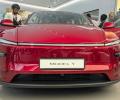
Analysts believe Tesla will first focus on building the Model Y brand before expanding -- both in terms of volume and models.
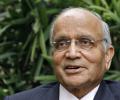
Maruti Suzuki chairman RC Bhargava has said that reducing carbon emissions does not require making a choice between hybrid and electric cars, and that both can play key and complementary roles if the government wants to achieve its aggressive emissions target. Responding to the fact that the sales numbers of hybrid cars have been higher than electric cars in the last quarter of 2024, Bhargava pointed out: "It has never been about electric versus hybrid. "Both have a clear role to play. By 2030 we expect electric car penetration to be around 20 per cent.

Maruti Suzuki India, Mahindra & Mahindra, Hyundai Motor and luxury car maker Audi have extended support to customers in cyclone and flood affected regions of Tamil Nadu and Andhra Pradesh. In a statement, Maruti Suzuki India said it has collaborated with its dealer partners and made several arrangements at its workshops. As soon as the news about the cyclone 'Michaung' was reported, the company proactively sent out 7 lakh SMS alerts containing precautionary steps to its customers to ensure that even before the cyclone hits, customers could take precautionary measures to safeguard their cars against potential damage, it said in a statement.

The automobile industry has sought government support in expediting approvals from the Chinese government for importing rare earth magnets used in various applications, including passenger cars. As per the industry sources, various domestic suppliers have already sought approval from the Chinese government through their local vendors in China.

Maruti Suzuki India's production in December 2022 was lower by 17.96 per cent at 124,722 units, according to a regulatory filing by the company. The company had a total production of 152,029 units in the same month a year ago. Production in mini cars and compact segment, comprising models such as Alto, S-Presso, Baleno, Celerio, Dzire, Ignis, Swift and WagonR, was lower at 83,753 units last month as compared to 106,090 units in December 2021.
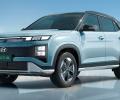
Long standing number two passenger vehicle maker in India, Hyundai Motor India, has slipped to fourth position in the domestic market in terms of retail sales last month behind Maruti Suzuki India, Mahindra & Mahindra and Tata Motors, as per the latest data shared by dealer's body FADA. Hyundai Motor India clocked retail sales of 38,156 units last month, a dip of 20 per cent as compared with 47,540 units in February last year.

HCL Tech, Adani Ports, Eternal, Maruti, Reliance Industries and Asian Paints were among the gainers. HDFC Bank, ICICI Bank, Bharti Airtel and Infosys added to the rally. IndusInd Bank emerged as the only laggard.

Tata Motors is hoping to beat its target year of 2030 and have 30 per cent of its portfolio comprising electric vehicles (EVs), according to Chairman N Chandrasekaran, who was speaking at the company's last annual general meeting (AGM) ahead if its demerger.
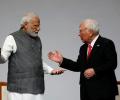
Osamu Suzuki, the man who took a risk and bet on India when no one else believed in having a viable automobile company in the country, has died at the age of 94, according to information shared by Japan's Suzuki Motor Corporation on Friday.

The police said the accused, Osman, who is a contractor by profession, has been arrested but added that there was heavy deployment of forces to maintain peace.

'For 40 years, India valued only technical skills. IITs, coding -- that became everything.' 'Soft skills were sidelined. But those are the skills that will keep you employable now, not technical skills.'

'We are going to have hybrid cars, which, as far as I know, none of our competition is working on, and this includes ethanol.'

Selected applicants will receive a monthly stipend of Rs 4,500 from the government and an additional Rs 500 from participating companies as a part of the Prime Minister Internship Scheme (PMIS) 2025.

India's used car market, which has been growing steadily at 10-12 per cent over the last 2-3 years, is expected to reach $40 billion in FY26.

From the Sensex firms, Tata Steel, Eternal, Tech Mahindra, Maruti, Mahindra & Mahindra, Infosys, IndusInd Bank, HCL Tech, Tata Consultancy Services and Bharti Airtel were the major gainers. Telecom operator Bharti Airtel climbed nearly 1 per cent after it posted about a five-fold jump in consolidated net profit to Rs 11,022 crore in the March 2025 quarter, mainly due to the tariff hike impact and one-time gain on tax benefits. However, Asian Paints, Tata Motors, Kotak Mahindra Bank, NTPC and Power Grid were among the laggards.
Maruti, IndusInd Bank, Bajaj Finserv, Eternal, Mahindra & Mahindra, Tata Steel, Kotak Mahindra Bank, Titan, HDFC Bank, and NTPC were among the other major gainers. Bharti Airtel and Sun Pharma were the laggards.

Among Sensex firms, Eternal, Tata Motors, State Bank of India, Adani Ports, NTPC, IndusInd Bank, Bajaj Finance, Asian Paints, Axis Bank and Sun Pharma were the major losers. Bharti Airtel, Tata Steel, Mahindra & Mahindra, Hindustan Unilever, Nestle and Maruti were among the gainers.

Tata Motors, State Bank of India, UltraTech Cement, Tata Consultancy Services, Tata Steel and Asian Paints were among the other laggards from the 30-share pack. Maruti, Bharti Airtel, Power Grid, Hindustan Unilever and HDFC Bank were among the gainers.

From the Sensex firms, Eternal, ICICI Bank, Bharti Airtel, Sun Pharma, State Bank of India, Bajaj Finserv, Kotak Mahindra Bank and Reliance Industries were among the biggest gainers. Tech Mahindra and Maruti were the laggards.

Maruti Suzuki India and Hyundai reported single-digit sales growth in July with the sports utility segment continuing to drive overall demand in the market. Mahindra & Mahindra witnessed a 29 per cent increase in passenger vehicle dispatches while Tata Motors saw a marginal increase in the wholesales last month. Maruti Suzuki on Tuesday said its total domestic passenger vehicle sales stood at 152,126 units last month as compared to 142,850 units in the year-ago month, a growth of 6 per cent.

From the Sensex shares, IndusInd Bank jumped 7.12 per cent. Axis Bank, Adani Ports, Asian Paints, Bharti Airtel, State Bank of India and ITC were also among the gainers. Maruti, Infosys, Tata Motors, Larsen & Toubro, NTPC and Bajaj Finance were among the laggards.

Jimny will be priced between Rs 12.7 lakh and Rs 15.05 lakh.

Fada estimates that global supply chain headwinds like scarce availability of rare earth elements for electric vehicle components and geopolitical tensions may affect urban consumer sentiment in June as well.
The 17 rare earth elements that are at the centre of the current crisis are critical components of everyday products -- from cars to jet engines to electronics like smartphones and flat-screen TVs.
