
Q1 results indicate more pain ahead, as slowdown has spread to more sectors, pricing power has come down and rising interest cost is eating into profits.

India Inc has raised a whopping Rs 237.3 billion (Rs 23,730 crore) through initial share sales in April-January, which is nearly 10 times than that mobilised during the corresponding period last fiscal.
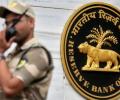
CEOs have complained that high interest rates have blocked their investment decisions. At the same time, customers are also deferring their purchases for new consumer durables, cars, and homes.


As per Hewitt's annual Salary Increase Survey 2009-10, the double-digit hike in salaries are anticipated for this year led by sectors like telecom, engineering, pharma and energy.

The Year of India in Russia - as 2009 is officially known - has helped India Inc get into a long bear hug with the Russian consumer. They are lapping up everything - from Ratan Tata's marquee cars to Vijay Mallya's whisky.

India Inc preferred to tap other sources of funds - a cheaper option - even though bank funds were available in plenty.

The Dun & Bradstreet Composite Business Optimism Index stands at 81.1 during the 2nd quarter of 2016
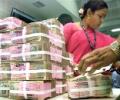
India Inc's deal making saw a sharp decline in 2009 with just $24 billion worth of mergers and acquisitions and private equity deals taking place, but 2010 is likely to be a year of "opportunity," according to a report by a consultancy firm.

A total of 635 companies have declared their third-quarter results and reported 22 per cent rise in revenue and 47.3 per cent growth in net profit on an average.

The issue regarding remuneration of company CEOs will be debated by the parliamentary standing committee.

Green shoots evident, but worries remain.

The early results from corporate India for the first quarter of 2015-16 are in, and these strongly suggest that a cyclical recovery is underway.
India Inc's initiative to adopt Industrial Training Institutes (ITIs) across the country is facing problems because of low level of cooperation on the field as well as red-tapism, industry lobby groups have claimed.

Major Indian automobile companies like Tata Motors, Bajaj Auto and Mahindra & Mahindra seem to have put up a robust performance in Q3 FY 10, paying advance tax of Rs 100 crore (Rs 1 billion), Rs 320 crore (Rs 3.2 billion) and Rs 195 crore (Rs 1.95 billion), respectively.

The debt-equity ratio was as high as 1.4 times the net worth as certificates of deposit and inter-corporate deposits gained popularity.

With the dizzying rise in the number of Covid-19 cases in the country, India Inc has transitioned from a wait-and-watch policy to full-on emergency mode, bringing back remote and flexi work, stringent safety protocols, and allowing only essential travel. Companies - especially in metros like Delhi, Mumbai and Kolkata - that had adopted a hybrid work model during the last few months when the caseload remained low, are either switching back entirely to work-from-home (WFH), or calling skeletal staff to office on select days. Take the case of cigarettes-to-hotels major, ITC, which had been on a hybrid work model over the last few months.

According to staffing company Teamlease for the first quarter of this fiscal year, the overall net employment outlook index made a smart turnaround to recover lost ground.
India Inc and economic think-tanks want the Budget to tax the agriculture income of large farmers for equity in the system and widening the net.

The manufacturing sector (excluding petroleum sector) would report a 24.3 per cent PAT growth mainly on account of low raw material prices and soft interest rates, CMIE said, adding PAT of the financial and non-financial services would rise by 32.2 per cent and 20.4 per cent, respectively.
Even as India Inc talks of increasing corporate governance norms after the Satyam scam, a study by global consultancy firm Ernst & Young has said that more than half of the companies surveyed do not take into account risk of frauds in their annual audit plans.

Jobs are back and India Inc is witnessing an upsurge of 15 per cent in hiring trend, thanks to the improving economic climate. However, experts say it is too early to say that the situation has returned back to 'normalcy'.

M&As are back on the radar for Indian companies, but with two vital changes. First, the average size of the deals are much smaller compared to the earlier years; and second, overseas acquisitions have taken a backseat.
An unstable government is the worst thing that can happen to the Indian economy grappling with the global downturn, say business leaders.
The Ficci Survey for the second quarter of 2008-09, which was carried out during November and December 2008, revealed 52 per cent of companies feel that the overall economic conditions would weaken further in the coming six months. Further nearly 90 per cent of the 412 companies surveyed in the report feel that the economic situation has deteriorated over the last six months.
India Inc said the Foreign Trade Policy would give a significant push to manufactured goods and agriculture- and labour-intensive exports.
The private security industry expects to grow manifold in the next five years, with India Inc enhancing the protective measures after the Mumbai attacks.
India Inc has expressed disappointment over the Reserve Bank of India's decision to keep interest rates unchanged. This, according to various industry associations, would result in huge capital inflows leading to further appreciation of the rupee.

'Instead of making this a four-year phenomenon, when you look at us and get thrilled, do it more regularly.'

Tax liability insurance is a key negotiation tool used by companies and advisers when a potential tax exposure has been identified and neither party is willing to bear the risk.
One of the Rajus, chairman of non-banking finance company Nagarjuna Finance, K S Raju, was arrested for defaulting on repayments of public deposits worth around Rs 100 crore (Rs 1 billion).
