
With the world's worst outbreak of COVID pandemic stalling a nascent economic recovery, the government has begun assessing the impact of the second wave of infections on different sectors and may look at providing support at an appropriate time to segments requiring fiscal help. Some of the economic indicators, including the Goods and Services Tax (GST) collections, still provide confidence and incoming data will throw some more light on the state of the economy, sources said. Services sectors like hospitality, tourism and aviation which had just started recovering were hit hard by the second wave of COVID, the sources said, adding these segments might need some support on an urgent basis from the government.

'The fiscal pressure will be there, but the intent of the government behind this move is to spur demand and growth.'
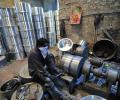
While players in the financial ecosystem are opening up to the idea of receivables funding for the sector, this market needs a regulator, which a Parliament panel feels only RBI can provide.

They say that a stimulus package may not be necessary because, unlike last year's total lockdown, public transport, including the railways and airlines, is running and the restrictions on movement are localised and, in some cases, are partial rather than total.
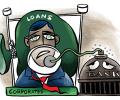
Public sector banks, including the country's largest lender State Bank of India (SBI), have come out with a templated approach for restructuring retail and small business loans of up to Rs 25 crore under the Reserve Bank of India's (RBI) Covid restructuring package 2.0. They have also come out with standardised products to make funds available to business entities for improving healthcare infrastructure and to individuals for meeting Covid treatment expenses. Business loans have been divided into three categories.

Finance Minister Nirmala Sitharaman on Thursday announced a new job creation scheme by giving subsidy to those establishments that make new hires. The subsidy would be to cover for retirement fund contributions by employees as well as employers for two years, she said. Employees contribution (12 per cent of wages) and employer's contribution (12 per cent of wages) totalling 24 per cent of wages would be given to establishments for two years, she said. Under the Aatmanirbhar Bharat Rozgar Yojana, every Employees' Provident Fund Organisation (EPFO)-registered establishment taking new employees would get this subsidy.

To help revive the economy battered by COVID-19, Finance Minister Nirmala Sitharaman on Monday announced a slew of measures, including Rs 1.1 lakh crore credit guarantee scheme for improving health infrastructure, and enhancing the limit under the ECLGS by 50 per cent to Rs 4.5 lakh crore for the MSME sector facing liquidity crunch. Sharing the details of stimulus package, the finance minister said this comprises eight relief measures and other eight measures to support the economic growth. She announced Rs 1.1 lakh crore loan guarantee scheme for COVID-affected sectors, including health sector, which includes guarantee cover for expansion or for new projects. Besides, she said, additional Rs 1.5 lakh crore limit enhancement done for Emergency Credit Line Guarantee Scheme (ECLGS) scheme.

'We will see footfall returning to pre-COVID levels by January.'

Record liquidity infusion by the central bank in the banking system during the financial year 2020-21 amid sluggish economic activity resulted in banks investing more in safe government papers than in extending loans, data from Reserve Bank of India (RBI) showed. This trend has not been seen in nearly two decades, barring 2016 - the year of demonetisation.

The finance minister has emphasised on the quick disbursal of additional loans to MSMEs, to simplify process, formats and documentation.
 © 2026 Rediff.com - Investor Information - Advertise with us - Disclaimer - Privacy Policy - Sitemap - Feedback - About us - Terms of use - Grievances