
Yes. Whilst public expenditure is kicking in, the key reason is the decline in private investment
Declaring demonetisation a complete failure may turn out to be hasty, argues economist Ashok K Lahiri.

Global investment is agnostic when it comes to nationalism, says Kanika Datta.

In the Financial year 2013-14 there were encouraging signs on the foreign trade front as India's trade deficit recorded a sharp fall.

The ongoing violence in the valley is driving students to excel, but it is also making them angry, discovers Ritwik Sharma.

WPI inflation even breached psychological level of 0% in Nov.

The BSE Midcap and Smallcap indices have performed better than the front-liners
India is only on the starting block.

The Railway Budget will be presented on February 25 while the Union Budget will be presented on February 29.

Inclusive growth is about enabling wider participation in the growth story, but the current if fiscal debate is about how to compensate losers using annual Budgets, says Rathin Roy.

In a Q&A with Doordarshan, Jaitley discusses how he chose the areas on which he would spend more.

'We need to put aside our anxieties about the Budget for now and possibly for long, and carry on as best as we can,' advises Shreekant Sambrani.

'Four years into his tenure and Modi still has no idea what is wrong with the agriculture sector!'

The most serious recommendations to change the financial year came in the years preceded by deficient rainfall. The Jha committee was formed after droughts in 1979-80 and 1982-83, reports Rishika Pardikar/IndiaSpend.

the RBI will need to fulfil its April 4 pledge to avoid liquidity shortages.

Against a turbulent and uncertain background, Budget 2017-18 hewed a steady, forward-looking course, says Shankar Acharya, former chief economic adviser to the government.
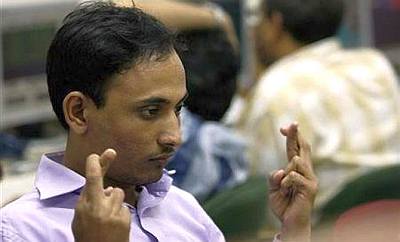
The Bank suggested reforms in infrastructure sector.

While the widespread feeling is that employment growth has been sluggish, some argue that, since sabka vikas slogan will most probably not deliver, Mr Modi and the BJP are going in for an unambiguous strategy of Hindu consolidation, says Subir Roy.

India Ic has pulled up its socks to perform even better in FY16.

The markets gained nearly 7 per cent in the 4 trading sessions of March.

The Finance Ministry on Thursday said the growth rate in the current financial year will accelerate to 5.8 per cent, better than previous estimates, saying the green shoots of economic recovery are now visible.

India's foreign exchange reserves are at an all-time high.

There is hope for us non-vegetarians. At least some enlightened judges believe diet is a personal choice. Here's to Maansh Wapsi.

There are tell-tale signs of a slide in the quality of Budgets presented by the current administration, says Parthasarathi Shome.

The 30-share Sensex ended higher by 30 points.

While going back to the old bill is only a face saver, there is little in the bill that will excite industry or the markets, says Shishir Asthana.
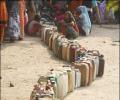
The research found that 50% of the people were receiving either nothing or less cash than they were entitled in lieu of the subsidised grains that were stopped under the pilots starting from September 2015 till May 2016.

Public investment is very crucial for GDP growth, says finance ministry.
The PMO should also present an annual report, on the state of politics and society
Finance Minister Arun Jaitley has said that the states were free to announce farm loan waivers if they had the fiscal space and that there would be no shortfall this year in divestment and non-tax revenues.

Universal basic income or social security? Economist Nitin Desai feels we need a blueprint for universal health care and pensions to help the vulnerable section.

India's near-term growth has improved: IMF

EPF is the major vehicle for the long-term savings of organised private sector employees.
Power plant load factors are at historic lows of around 60 per cent.

The Budget shouldn't be stuck on fiscal numbers, the PMO apparently said.

India's fiscal deficit trends are a bit like an alcoholic trying, unsuccessfully, to reform. Virtue does not last for too long, says Shankar Acharya.

New data is puzzling as these aren't corroborated by other data

Exemptions, and the fact that farm income is outside the tax net, ensure that India's tax-GDP ratio stays low.

India could gain four times over by winding up dysfunctional subsidies.

In 2014-15, capital expenditure in the April-September period was Rs 99,100 crore.
 © 2026 Rediff.com - Investor Information - Advertise with us - Disclaimer - Privacy Policy - Sitemap - Feedback - About us - Terms of use - Grievances