
Israel, Andorra, Argentina, Bolivia and Ukraine were also found non-compliant of the WADA Code and can no longer conduct anti-doping programs

This year Olympic Games could feature an athletics programme without two of the sport's most powerful nations -- Russia and Kenya -- while a third, Ethiopia, is under immense pressure to show it has adequate anti-doping measures.

'If you have an IQ higher than room temperature you should stop (using it). There is a test for it and you'll be bounced' 'The monitoring of substances is undertaken by WADA, and so tennis was not aware of the prevalence of meldonium use in 2015 (or before), prior to its addition to the Prohibited List'

IAAF president Sebastian Coe says there has been no cover up of Russian doping cases despite the latest leaked documents appearing to show that officials of athletics' governing body were discussing how to suppress news of positive tests.
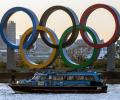
It was an extraordinary turnaround for an Olympics that was expected to be held without major issues by a country known for public safety and economic stability. It also revealed a fatal miscalculation by Japanese and IOC officials of public sentiment at a time of heightened fears over the coronavirus.
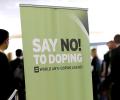
Testers were also routinely obstructed from gaining access to athletes who used military cities as the location for their whereabouts knowing doping control officers would need special permission to gain access. The WADA update also revealed several examples of widespread efforts to avoid testing, including one detailed instance where an athlete tried to use a container inserted inside her body that presumably contained clean urine.

Dozens of Russian athletes who competed at the 2014 Sochi Winter Olympics, including at least 15 medal winners, were part of a state-run doping program.

Sebastian Coe chairs a meeting of world athletics on Friday to discuss suspending Russia over allegations of state sponsored doping of its athletes, a crisis that has put his leadership under the spotlight barely three months into the job.

Russia could be banned from international athletics, including the 2016 Olympic Games, after an anti-doping commission report on Monday alleged widespread corruption and collusion that added up to a state-sponsored drugs culture in a sporting superpower.

Radical changes to how cities will bid to host Olympic Games, and rules allowing more sports to feature, were among 40 innovations ushered in on Monday as International Olympic Committee members took bold steps to revamp their movement.

Russia said on Friday it is ready to do everything from a legal point of view to defend Russian athletes if they are banned from taking part in the Rio Olympics over doping allegations.

Following badminton World No 1 Lee Chong Wei's provisional ban, Rediff.com brings you ten top sports persons who gave in to drugs - one of the mighty perils that has affected modern sporting culture.
 © 2026 Rediff.com - Investor Information - Advertise with us - Disclaimer - Privacy Policy - Sitemap - Feedback - About us - Terms of use - Grievances