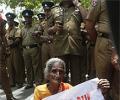
Prime Minister Manmohan Singh's decision not to attend the Commonwealth Heads of Government Meeting at Colombo has once again put the focus on alleged cases of human rights abuses in Sri Lanka.
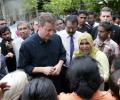
Human rights abuses allegedly perpetrated in the war against Liberation Tigers of Tamil Eelam haunted Sri Lankan President Mahinda Rajapaksa on the sidelines of the CHOGM summit with UK Prime Minister David Cameron on Saturday giving the island country an ultimatum to conduct a credible probe into the war crimes by March, failing which he would seek an international investigation.

'His negotiations with Idi Amin and his men for compensation for the Indians, who left Uganda, were particularly tough. Apparently, Amin warned him that the body of the British negotiator, who came earlier, was found in a roadside gutter... As Jagat Mehta's special assistant during the last two years of his tenure as foreign secretary, I saw for myself how his conviction, courage and patriotism enabled him to fight against heavy odds, says Ambassador T P Sreenivasan.

Abstaining from voting on a UNHRC resolution on Sri Lanka was dictated as much by necessity and self-preservation as by a desire to place bilateralism at the front and centre of New Delhi's ties with Colombo, says Ramesh Ramachandran.

If Indian PM boycotts the CHOGM, it is likely to add to Sri Lanka's bitterness. This would not help India's desire to add more depth and content to its relations with Sri Lanka but its ability to influence Sri Lanka's decision making process on the both strategic issues and on Tamil minority issues, says Colonel (retd) R Hariharan.
 © 2026 Rediff.com - Investor Information - Advertise with us - Disclaimer - Privacy Policy - Sitemap - Feedback - About us - Terms of use - Grievances