
Sivakasi is fighting for survival, thanks to the ban on firecrackers in Delhi, regulations in several other cities, pandemic-imposed sales dips, the ban on the use of barium nitrate...
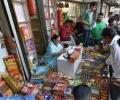
A complete ban on firecrackers in Delhi until January 1, the government's refusal to grant licences for sales in Karnataka, and restrictions in the Noida region are adversely affecting the business of manufacturers in Tamil Nadu's Sivakasi, which produces over 90 per cent of India's fireworks. According to industry players, demand has decreased by 20 per cent compared to last year. Moreover, the ban on the use of barium nitrate and the manufacturing and sale of joint fireworks is also impacting demand.

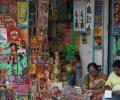
About 1,070 units in Sivakasi can manufacture fireworks worth Rs 6,000-9,000 crore.
Enter the fireworks city of Sivakasi in Tamil Nadu and you can smell a familiar mix of sulphur, potassium nitrate, aluminium and carbon - familiar because if you've ever burst crackers, say on Diwali or Onam, chances are they were made here. Almost every household used to contribute to India's festive joy by contributing almost 90 per cent of the fireworks made in the country. Before the pandemic, around 300,000 people worked in the industry directly and another 500,000 indirectly. Located 540 kilometres from Chennai, Sivakasi is famous for its fireworks and crackers, along with printing and matches, but is almost a ghost town these days.
Some experts opine that green crackers are yet not practical and question government's move to promote them.

The changeover to green crackers after extensive experiments marks a revival of the industry which has over 1,000 manufacturing units around Sivakasi and used to clock an annual turnover of over Rs 6,000 crore.

The town produces 85 per cent of the country's fireworks.

The non-viability of green crackers may pave the way for e-crackers.

Delhi, which has gained infamy as one of the world's most polluted cities, has for some years now witnessed a sustained campaign from various quarters seeking a ban on firecrackers. While the Centre launched the newly approved, eco-friendly firecrackers earlier this month as a "safer and cheaper" alternative, the mood in the market is tepid, says Ritwik Sharma.
 © 2026 Rediff.com - Investor Information - Advertise with us - Disclaimer - Privacy Policy - Sitemap - Feedback - About us - Terms of use - Grievances