

The Pakistanis were so fearful of Brigadier Mohammad Usman, the 'Lion of Naushera', that they announced a Rs 50,000 bounty on his head.
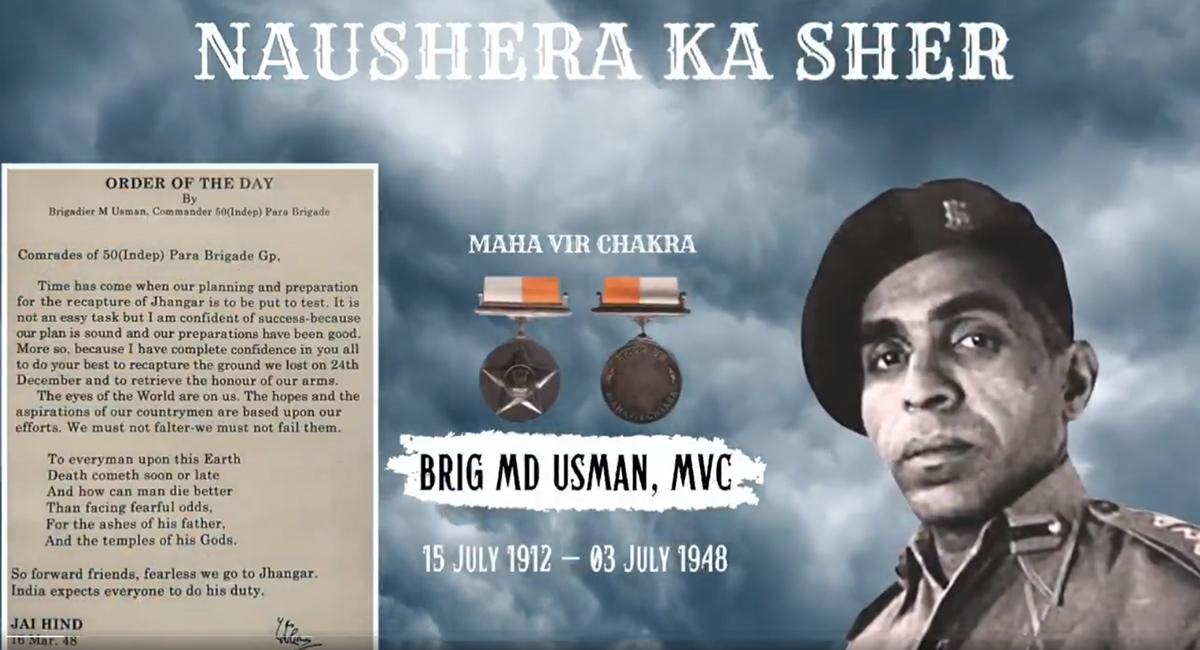
'I am dying, but let not the territory we were fighting for fall for the enemy.'
These were the last words of Brigadier Mohammad Usman before he was killed in action during the defence of Jhangar, a strategic military location in Jammu region that he had fought and recaptured from Pakistan in March 1948.
The Indian forces had lost Jhangar three months ago after Pakistan attacked Jammu and Kashmir from all directions with 10,000 tribals led by officers from the Pakistan army. They had made substantial ingress into Indian territory.
Brigadier Usman, the commanding officer of 50 Parachute Brigade, had sworn that he would not sleep in a bed till Jhangar was reclaimed.
So for the next three months, he slept on a mat on the floor in the bitter Kashmir winter, according to an account in the book Leadership in the Indian Army: Biography of 12 Soldiers.
By March, Brigadier Usman and his brave men had won back Jhangar against tremendous odds and difficult terrain.
To boost their confidence he introduced 'Jai Hind' as a greeting among his troops. The practice went on to become a widely established norm in the Indian defence forces prevalent till date.
The 36-year-old officer's exploits in the battles of Naushera-Jhangar region became the stuff of military legend.
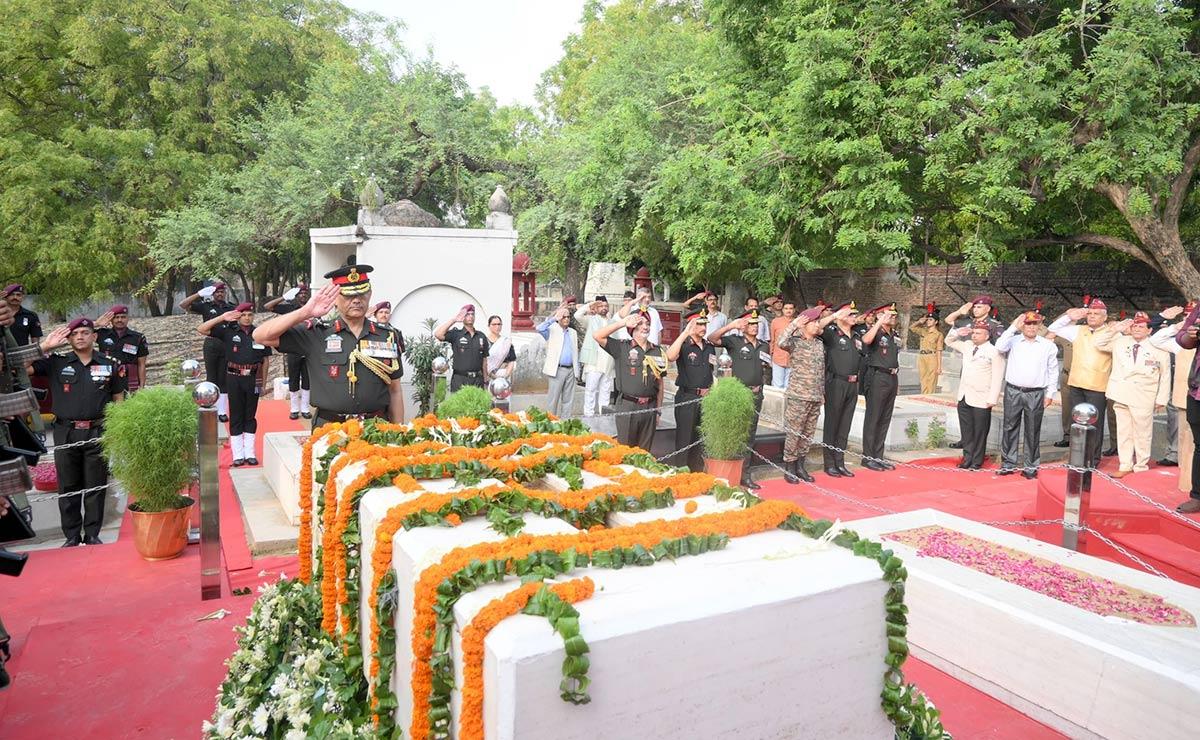
Lieutenant General Pushpendra Singh, PVSM, AVSM, VSM, Colonel of the Parachute Regiment, led the ceremony. Photograph: ADGPI/X
The highest ranking Indian military officer to die in battle, he was instrumental in the victory of Indian forces in the War of 1947-1948.
By the time he recaptured Jhangar in March, Brigadier Usman had already won the title of 'Lion of Naushera' for his exploits on the battlefield.
A perpetual thorn in the eye of the Pakistanis, the enemy had announced a Rs 50,000 bounty on his head. The Pakistanis circulated rumours of his death to deplete the morale of the Indian troops.
The Battle of Naushera fought on February 6, 1948 was one of the toughest battles of the war.
Brigadier Usman and his men had beaten back fierce Pakistani attacks on Naushera-Jhangar. If not for their victories, these strategic towns would have become a part of Pakistan.
Some of the bloodiest battles were fought in the towns of Kotli, Mirpur, Rajouri, Naushera and Jhangar. Pakistan had directed a large number of troops and committed largescale genocide in this area, according to Colonel A K Raina's book on the battles fought in this region.
It was due to Brigadier Usman's planning and military actions that Naushera could be defended against perilous odds and Jhangar recaptured.
During the defence of Naushera under his command, Indian forces inflicted around 2,000 casualties on the Pakistanis.
The Pakistan army had launched an attack on October 20, 1947, shortly after Independence.
India could only intervene after Maharaja Hari Singh signed the Instrument of Accession on October 26, 1947 and formally joined the Indian Union.
By then, Pakistan had captured Naushera, Jhangar and Rajouri in the Jammu region.
Just a few month ago -- at the time of Partition -- Brigadier Usman, the last batch of Indian officers to be trained at the Royal Military Academy in Sandhurst in England, had been invited to join the Pakistan army.
Both Mohammad Ali Jinnah and Pakistan prime minister Liaquat Ali Khan asked him to come to Pakistan, but the soldier from Azamgarh in UP refused.
His life, his heart, his soldiering was for India.
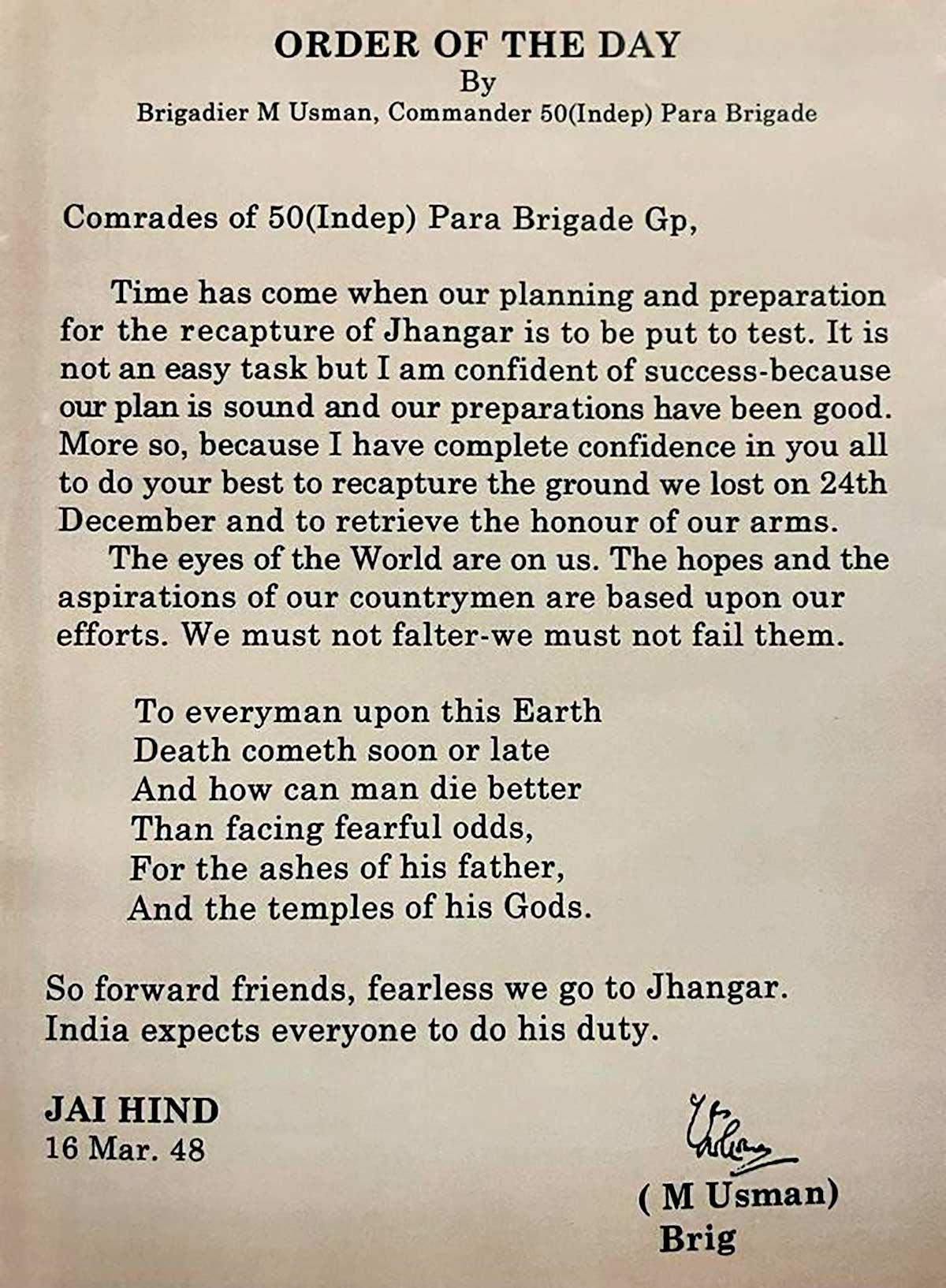
Four months later Brigadier Usman was in the heart of the battle against Pakistan as commander of the 50th Parachute Brigade in Jhangar.
'The hopes of our countrymen are upon us. We must not falter. We must not fail them,' he said to his men while preparing for the recapture of Jhangar on March 16.
'So forward friends, fearless we go to Jhangar. India expects everyone to do his duty.'
He vowed that he would win back Jhangar - and he and his brave men drove out the Pakistanis by March 1948.
In steep mountain terrain, the soldiers courageously repelled waves of attack to evict the enemy and recaptured the town.
After the victory, Pakistani forces continued to pound the town with heavy artillery fire and shelling. They made several failed attempts to recapture Jhangar.
On the evening of July 3 Brigadier Usman was killed in a shell attack. Pakistani troops rained 800 shells that night.
The Lion of Naushera died a hero's death at the young age of 36 and was awarded the Mahavir Chakra, India's second highest medal for gallantry in war.
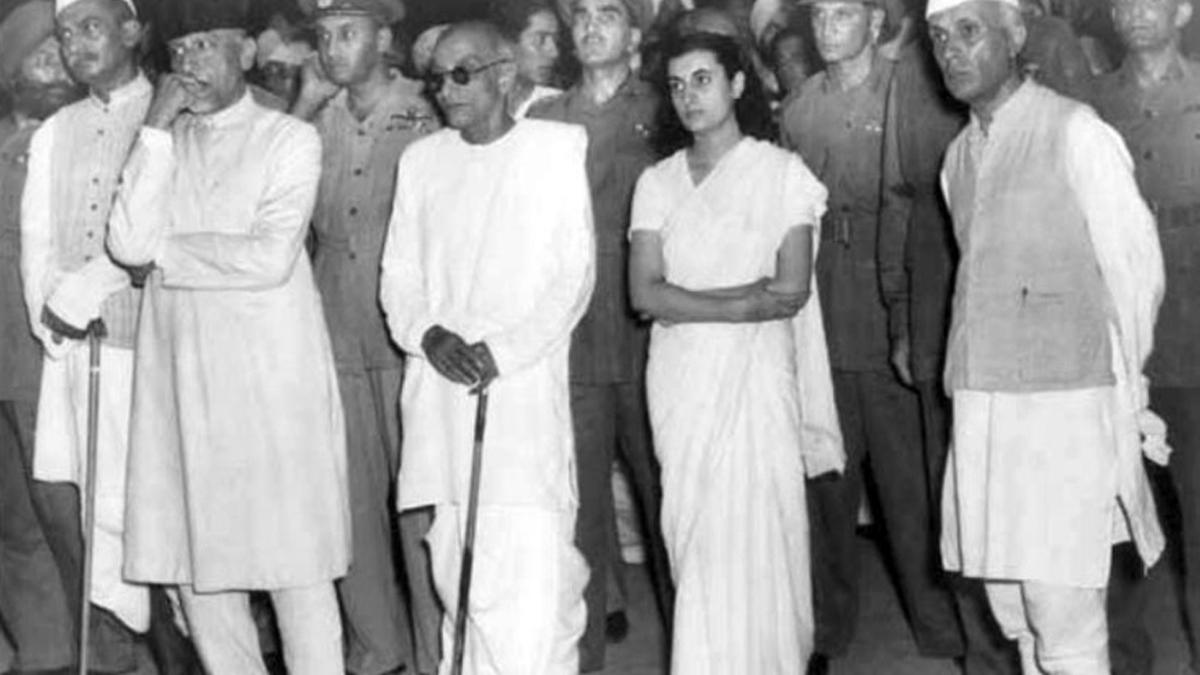
His funeral was attended by Governor General C Rajagopalachari, Prime Minister Jawaharlal Nehru, Maulana Abul Kalam Azad, Sheikh Abdullah and others.
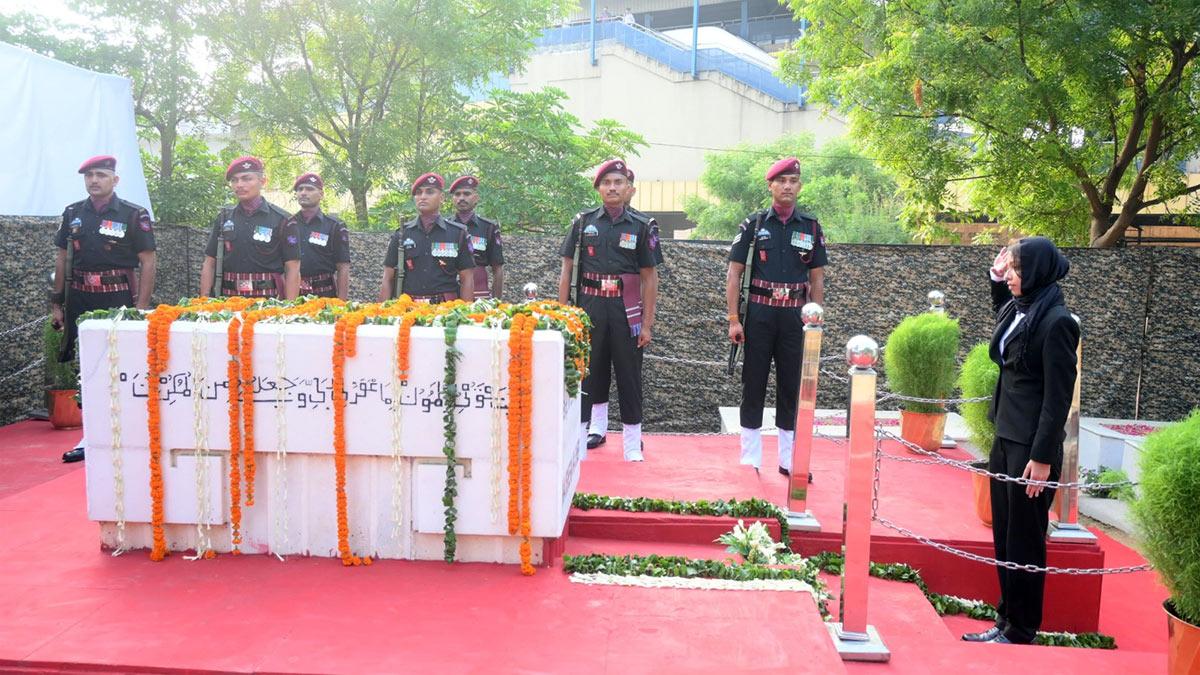
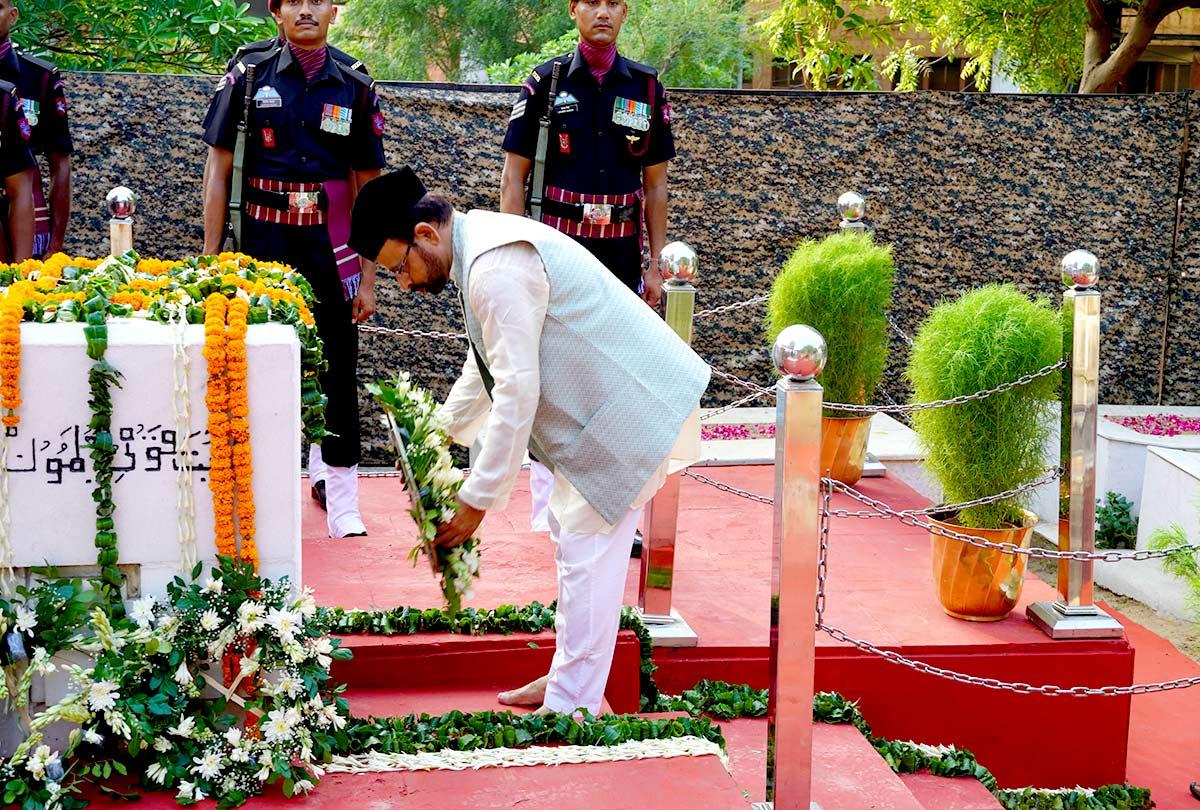
Every year on his death anniversary, the Indian Army pays tribute at his grave at the Jamia Milia Islamia cemetery in Delhi.
Twenty Army officers and veterans led by Lieutenant General Pushpendra Singh of the Parachute Regiment commemorated his death anniversary on July 3 this year.
The army and district administration paid tribute at the Usman Memorial Convention Centre in Jhangar.
The war hero's brother also served in the army. A bachelor, Brigadier Usman's family included his siblings and their children.
He was the first military officer to receive a State funeral in Independent India.
Photographs curated by Manisha Kotian/Rediff, Satish Bodas/Rediff, Anant Salvi/Rediff
Feature Presentation: Aslam Hunani/Rediff




 © 2026