

'The strategic difference over technology and territory between India and China remain great and security interests on both sides will likely prevent a short-term rapprochement of any depth.'
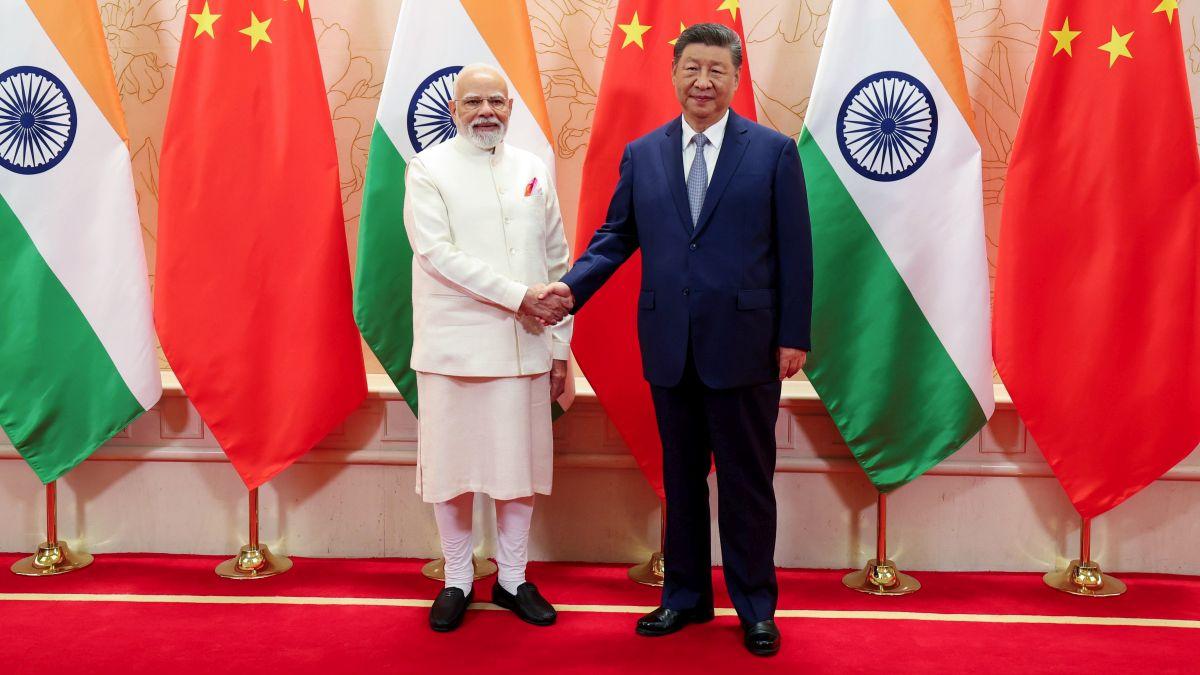
"India and China are currently signalling dissatisfaction to Washington about tariffs, and also want to emphasise that Asian powers have their own agency," says Professor Rana Mitter, the ST Lee Chair in US-Asia Relations at the Harvard Kennedy School.
The author of several books, including Forgotten Ally: China's World War II and China's Good War: How World War II is Shaping a New Nationalism, Professor Mitter previously taught History and Politics of Modern China at Oxford.
The son of India-born professors, the historian is a Fellow of the British Academy, an award granted to leading academics, and has received the Order of the British Empire.
"China will be relieved that a seeming closeness between India and the US seems to have lessened," Professor Mitter tells Rediff's Archana Masih in an e-mail exchange on the thaw in relations and China's grand Victory Day Parade marking the 80th anniversary of the end of World War II.
The Communists played a secondary part in the long war with Japan, which was largely fought by Chiang Kai-shek and his Nationalist army.
The Victory Day Parade last week in Beijing seemed a strange and rather lame usurpation of actual history by Xi Jinping and his Communist regime.
What is Xi trying to achieve here?
Ten years ago, there was a greater belief in Beijing that the People's Republic of China and Taiwan were moving closer to each other, and that shared wartime history brought the two together.
For that reason, it was helpful to Beijing's cause to stress the KMT [Kuomintang] reaction. [Chiang Kai-shek's Kuomintang ruled China from 1929-1949 and then moved to Taiwan as a consequence of losing the Chinese civil war to the Communists].
Today, there is an immense rift between Beijing and Taipei under the Democratic Progressive Party. There is less mileage in stressing the KMT role, so the Chinese Communist party has chosen to stress their own role instead.

Is it to position China as equal to the US and the then Soviet Union in that war against fascism? Is to indicate to Taiwan that since in the Communist perception Taiwan is part of China it doesn't matter who did the actual fighting?
There has been more enthusiasm in the last few decades to stress China's role as a major player in World War II which sacrificed a great deal, including millions of dead.
Much of the emphasis in China is internal, however, there are still rifts, even 80 years on, between former KMT and former CCP areas.
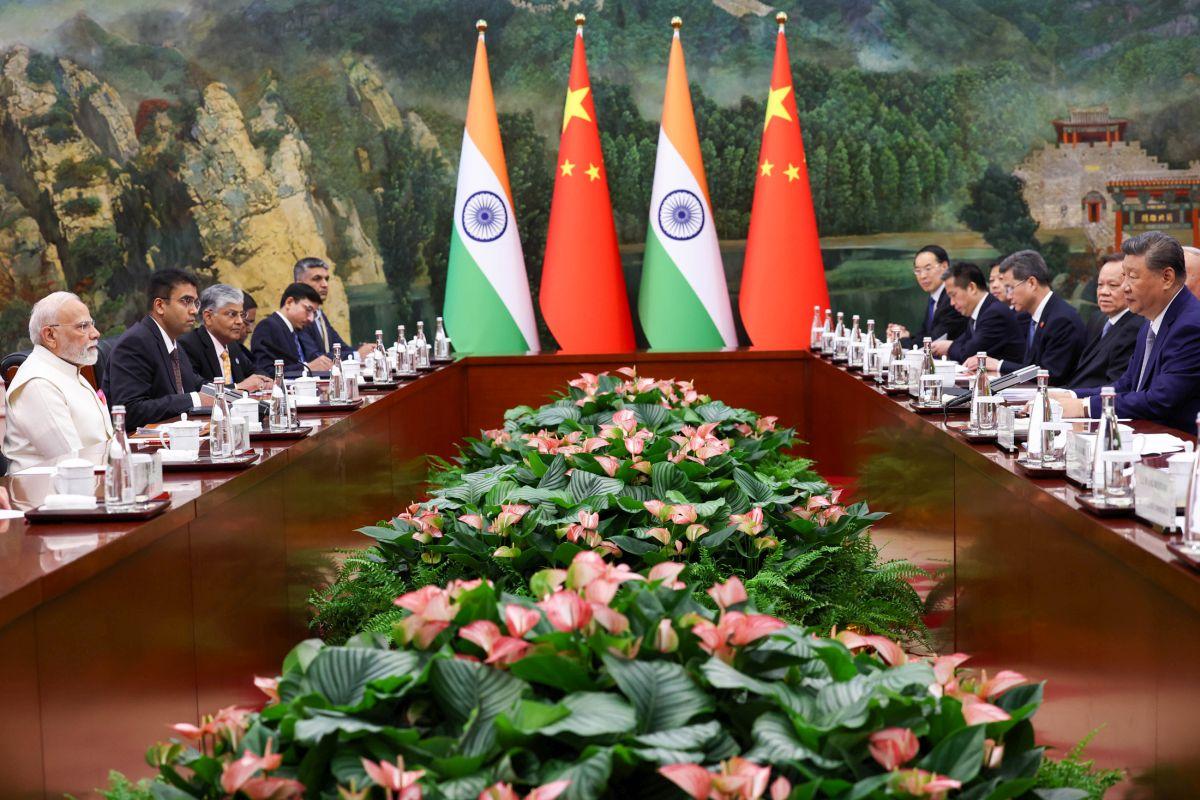
What do you make of the India-China rapprochement in Tianjin after 5 years of a long freeze?
India and China are currently signalling dissatisfaction to Washington about tariffs, and also want to emphasise that Asian powers have their own agency.
However, the strategic difference over technology and territory between the two sides remain great and security interests on both sides will likely prevent a short-term rapprochement of any depth.
How does China view India?
China takes India seriously as a rising Asian power, but still feels that in economic and geostrategic terms that it has the stronger hand in Asia.
It will be relieved that a seeming closeness between India and the US seems to have lessened.
Feature Presentation: Aslam Hunani/Rediff




 © 2026