

'Pakistan is economically very weak.'
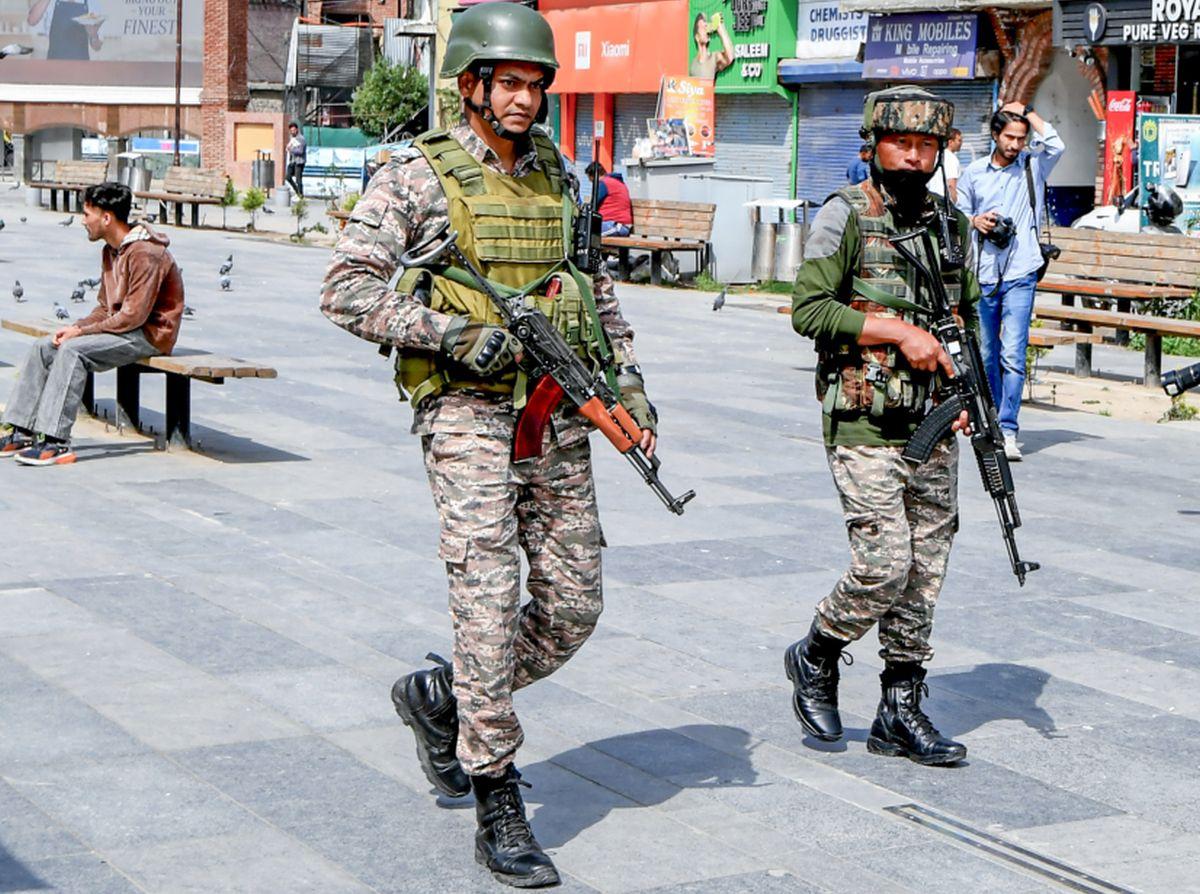
"General Asim Munir is setting the stage for his extension," says Tilak Devasher, former member of the National Security Advisory Board and author of four books on Pakistan.
The Pakistan army chief's first salvo was the speech he gave on April 16 projecting himself as a strong leader and referring to Kashmir as Pakistan's jugular vein.
"Pahalgam was a follow up," Mr Devasher tells Rediff's Archana Masih discussing the Pakistan army chief's provocative gambit in Pahalgam and India's response that will have long term consequences for an economically weak Pakistan.
In our previous conversation in 2022, you had said that India has to be watchful of General Asim Munir who has had operational experience on the Line of Control and was director general, ISI when the Pulwama attack took place.
What in your opinion made him risk such a provocative gamble like the Pahalgam terror attack?
I think he is setting the stage for his extension because his three year tenure ends in November.
The first salvo was the speech he gave on April 16 to the Pakistan Overseas Convention projecting himself as a strong leader and talking about the ideological foundations of Pakistan.
Pahalgam was a follow up.
As India readies its response -- which it surely will execute -- what do you think will be India's response? How can India punish Pakistan severely without actually going for an all-out war?
India has already taken non-kinetic actions, especially holding the Indus Waters Treaty in abeyance. This will have long-term adverse consequences for an already water-stressed Pakistan.
Kinetic actions are likely to follow at a time and place of our choosing.
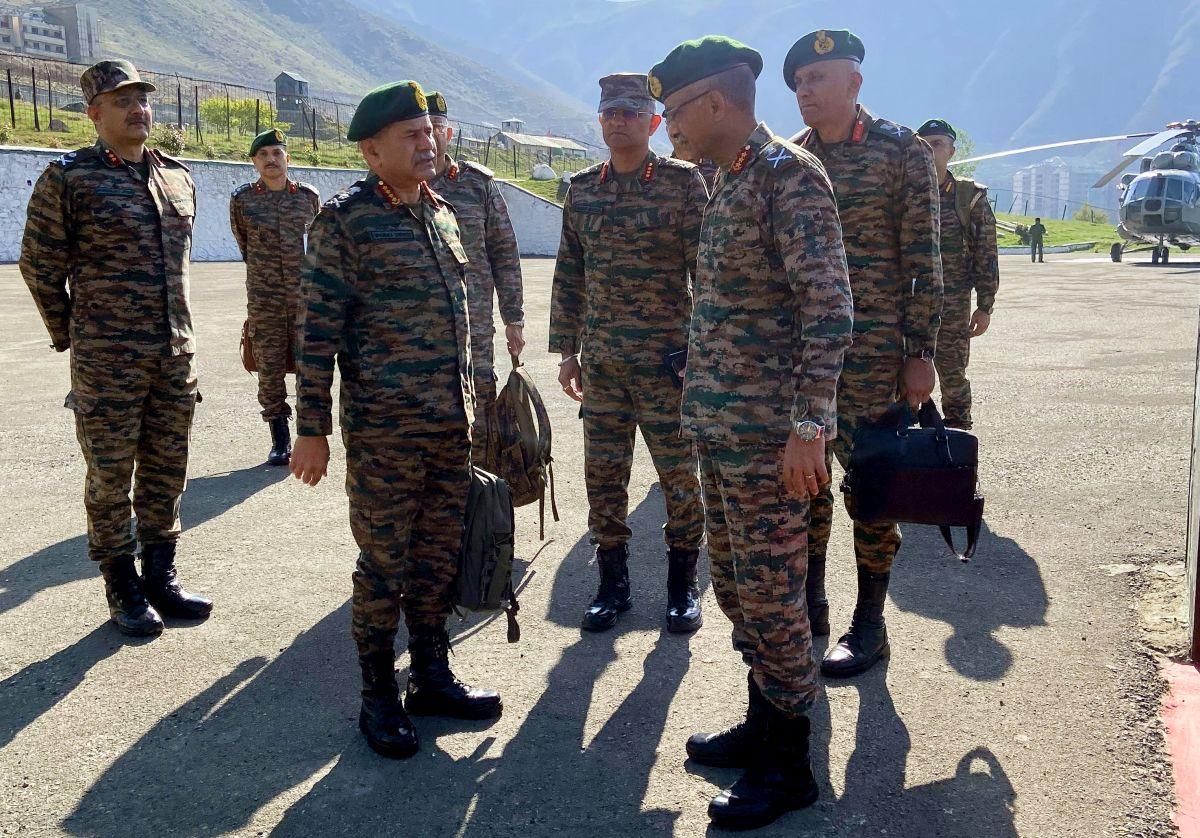
Considering Pakistan's dire economic, political and security situation, how long can Pakistan sustain a war with India? Some analysts say a week.
How will its robust partnership with China and Turkey aid in sustaining a military conflict with India?
Pakistan is economically very weak and will not be able to sustain a war for long.
Help from China and Turkey may be there, but will not be able to help it sustain a war for long.
In your understanding of the Pakistan army, how has it changed in the last few years? Is it professional, well-trained or has it become even more Islamised under Munir than it was during Zia-ul Haq?
The two are not mutually contradictory.
However, what is sapping the Pakistan army's fighting ability is the involvement in economic activity and corruption.
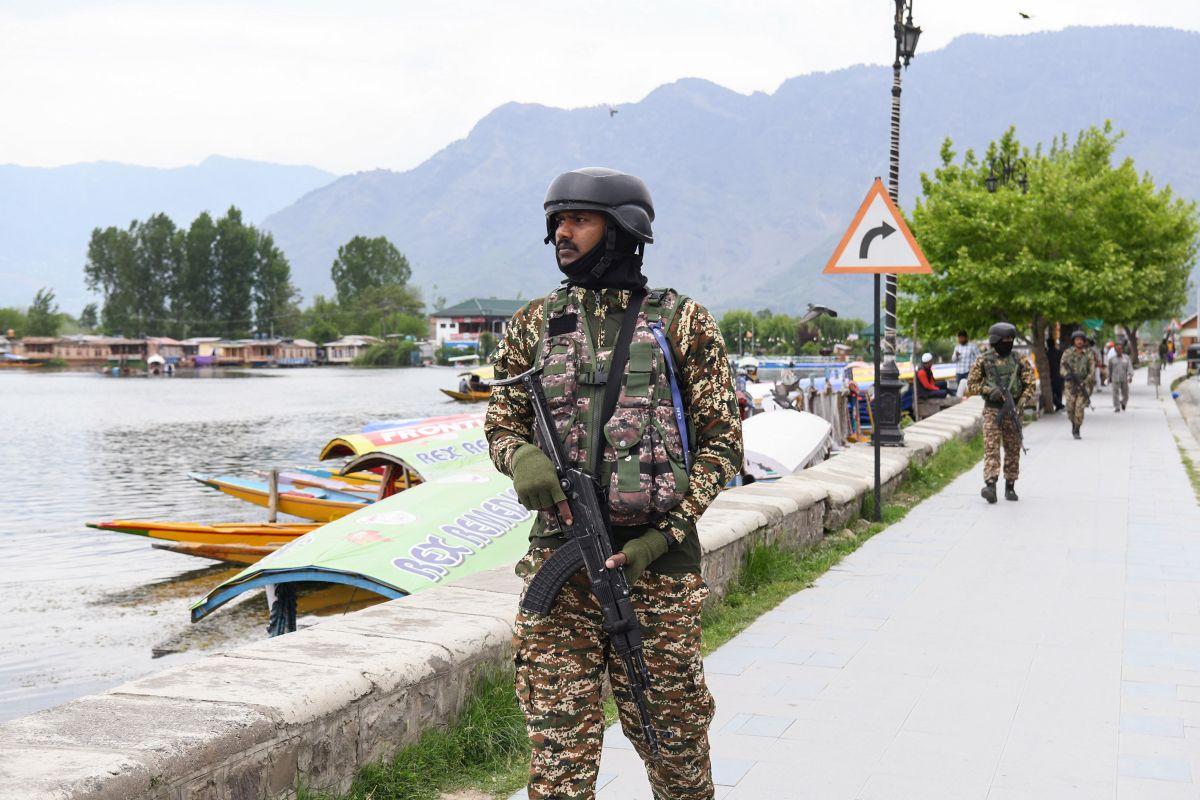
What in your view are the primary challenges prevalent in Kashmir? How can over ground workers/local support be weaned away from Pakistani terror groups and how can ground intelligence be improved upon?
Since the insurgency has lasted for several decades, it will take some time to totally die out.
What you see today are the dying embers.
Economic development and education will ultimately ensure that the few OGWs (over ground workers) left will be weaned away. That will also help further improve ground intelligence.
C Raja Mohan wrote in the Indian Express that by attacking Hindus, Munir may hope to incite communal tension in India, thereby weakening India's internal security.
What are some of the important imperatives that India needs to be cognisant of right now?
If the intention was to incite communal tensions, it has failed.
Instead, it has united the country against Pakistan-sponsored terrorism.
How can India leverage its relations with Saudi Arabia, the UAE, Afghanistan in clamping down on Pakistan?
India is already doing this. Saudi Arabia, the UAE and Afghanistan, all the three have publicly expressed opposition to terrorism and support for India.









 © 2026