

A glimpse of the film, via the trailer, indicates a sincerity of purpose and the shining of a light into those corners of India that remain dark amidst progress and prosperity, notes Deepa Gahlot.
It has been a strangely triumphant yet bleak time for independent cinema. On the one hand, there are international accolades and on the other, hurdles in reaching the right audience at home.
The multiplex and OTT space is dominated by mainstream cinema. That's why the Karan Johar-Neeraj Ghaywan match is made in indie heaven.
Their film, Homebound, has earned appreciative reviews when screened at the Cannes, Melbourne and Toronto film festivals, and the Dharma Productions clout has ensured that it gets a proper theatre release in India.
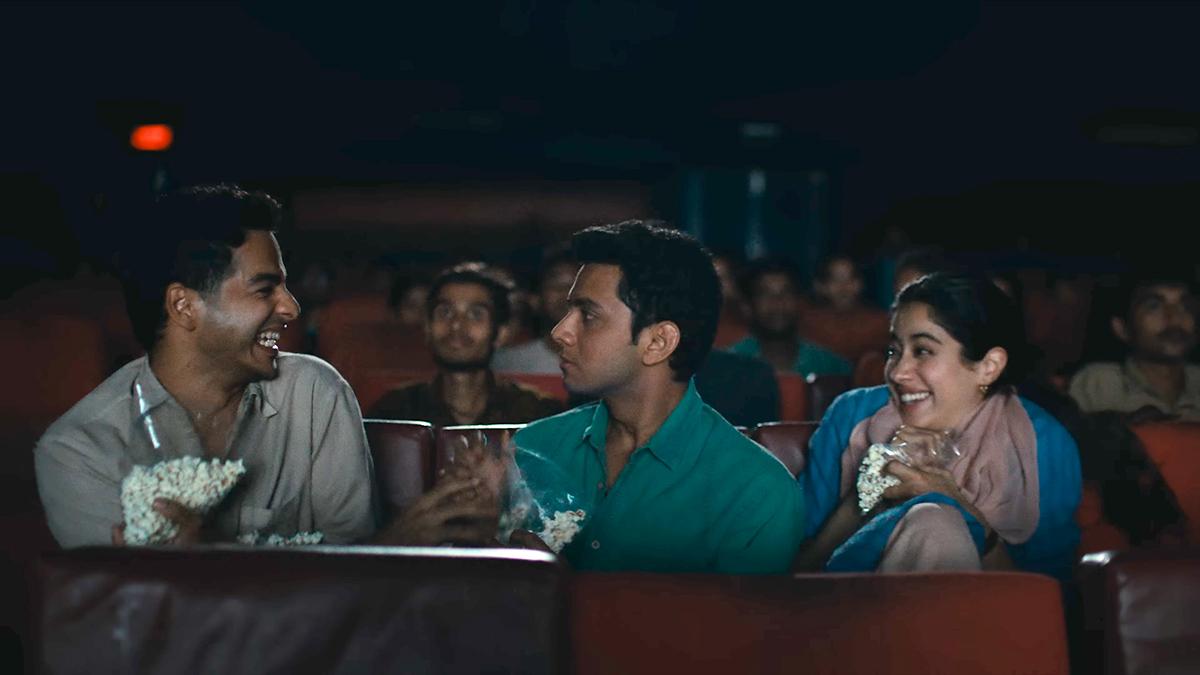
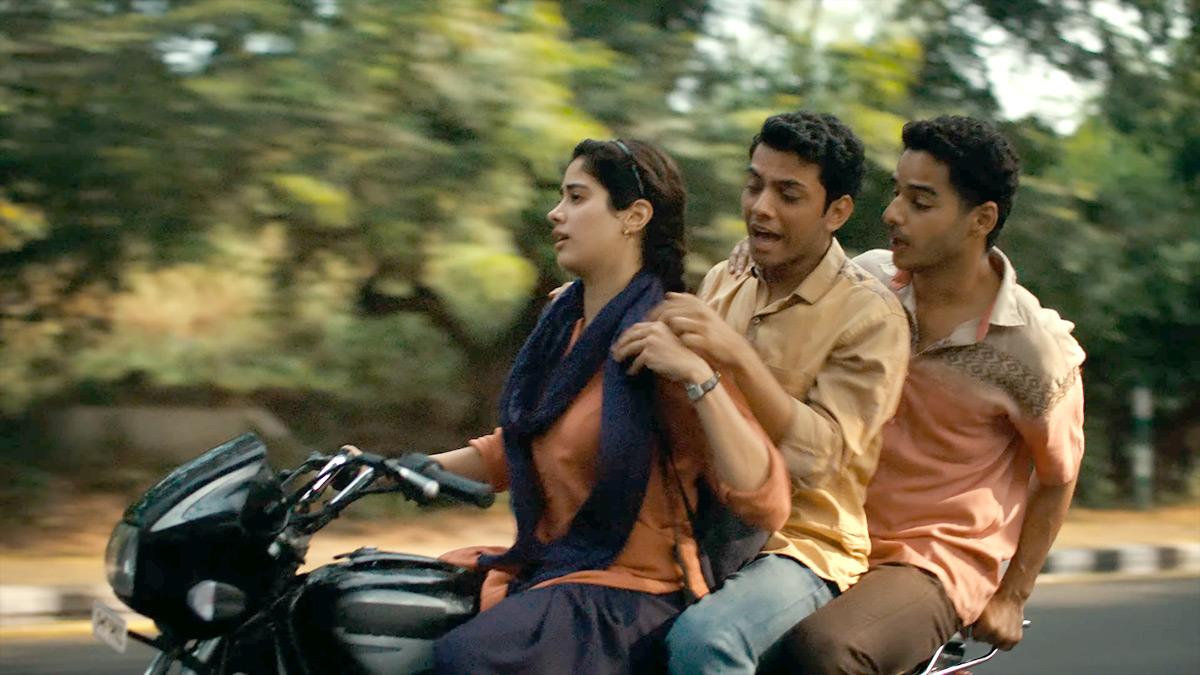
The trailer shows the struggle of two young men and a woman to win respect in a society where the dice are laden against them because of their poverty, religion and caste.
Mohammed Shoaib (Ishaan Khatter) is Muslim, Chandan Kumar (Vishal Jethwa) and Sudha (Janhvi Kapoor) are Dalit.
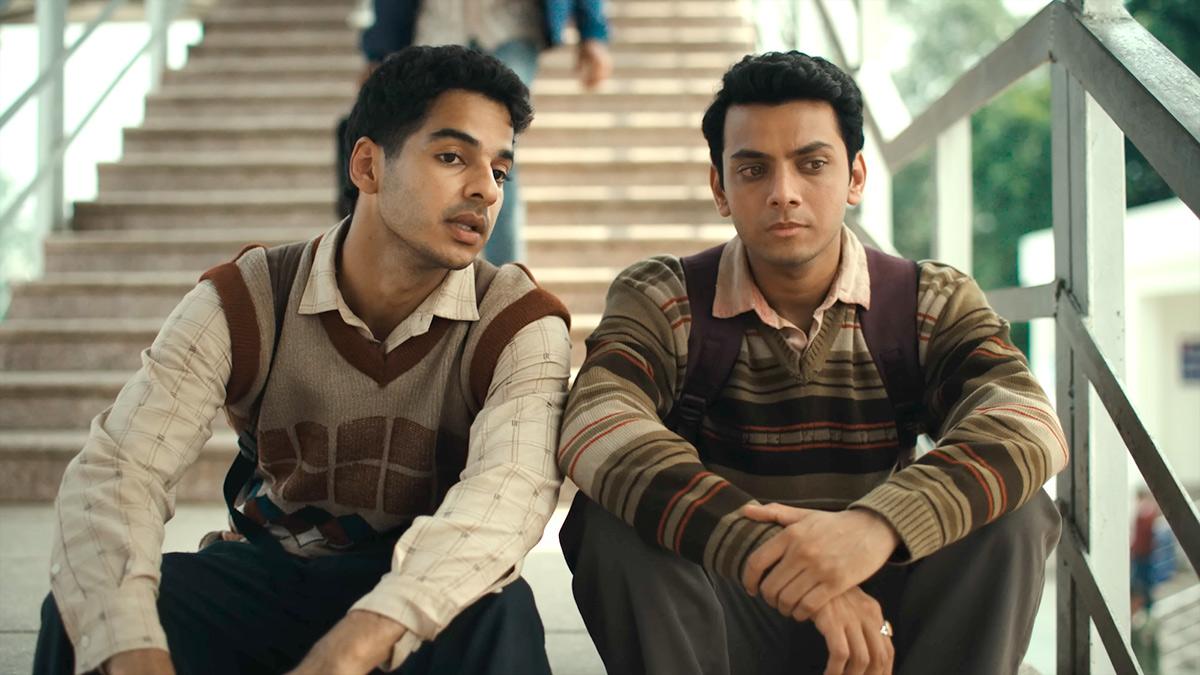
The boys want to get into the police force, hoping that the uniform will wipe away the indignity of their underprivileged status.
Mohammad has a line that says, identity is not something handed out to them, but something they create for themselves.
Sudha wants to go for higher education, so that people are willing to place their chair next to her, probably referring to her experience of untouchability.
Caste is a huge problem in India, but seldom addressed by mainstream cinema.
A segment of Ghaywan's Masaan was also about caste.
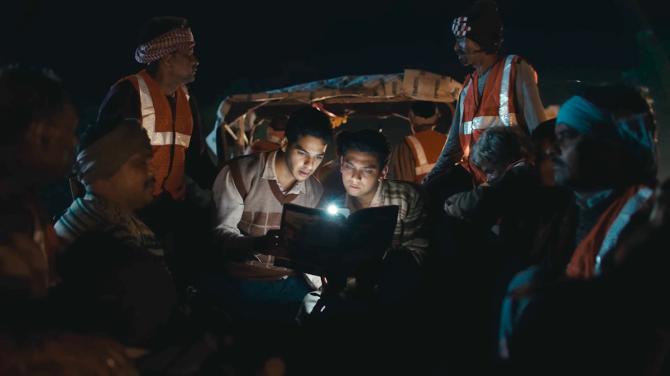
Homebound is based on a moving 2020 New York Times article by journalist Basharat Peer, which documented the plight of migrant workers during India's sudden COVID-19 lockdown.
The story's central image of one friend cradling the head of the other, who had fainted from exhaustion during a long journey, became a visual metaphor for the film's themes of friendship at a time of crisis.
The trailer does not refer to this, but picks scenes of the two young men that expresses their solidarity and support for each other's aspirations and as well as some bitterness -- as Mohammed accuses of Chandan not having the courage to use his full name; many Dalits uses the suffix Kumar to hide their caste identity and resulting discrimination.
The trailer makes sure that the themes of the film come across, but not too much of the darkness.
The audience has to be prepared for watching a film that is honest and empathetic towards the marginalised, but also made in a format that would attract an audience not yet fully accepting of alternative cinema.
The casting of Ishaan Khatter and Janhvi Kapoor seems to be that tiny compromise for that purpose.
A glimpse of the film, via the trailer, indicates a sincerity of purpose and the shining of a light into those corners of India that remain dark amidst progress and prosperity.










 © 2026