

'This has translated into a combined daily loss of ₹60 crore in revenues for exporters in Tiruppur, Coimbatore, Erode and Karur districts, pushing many small and medium enterprises to the brink of collapse.'
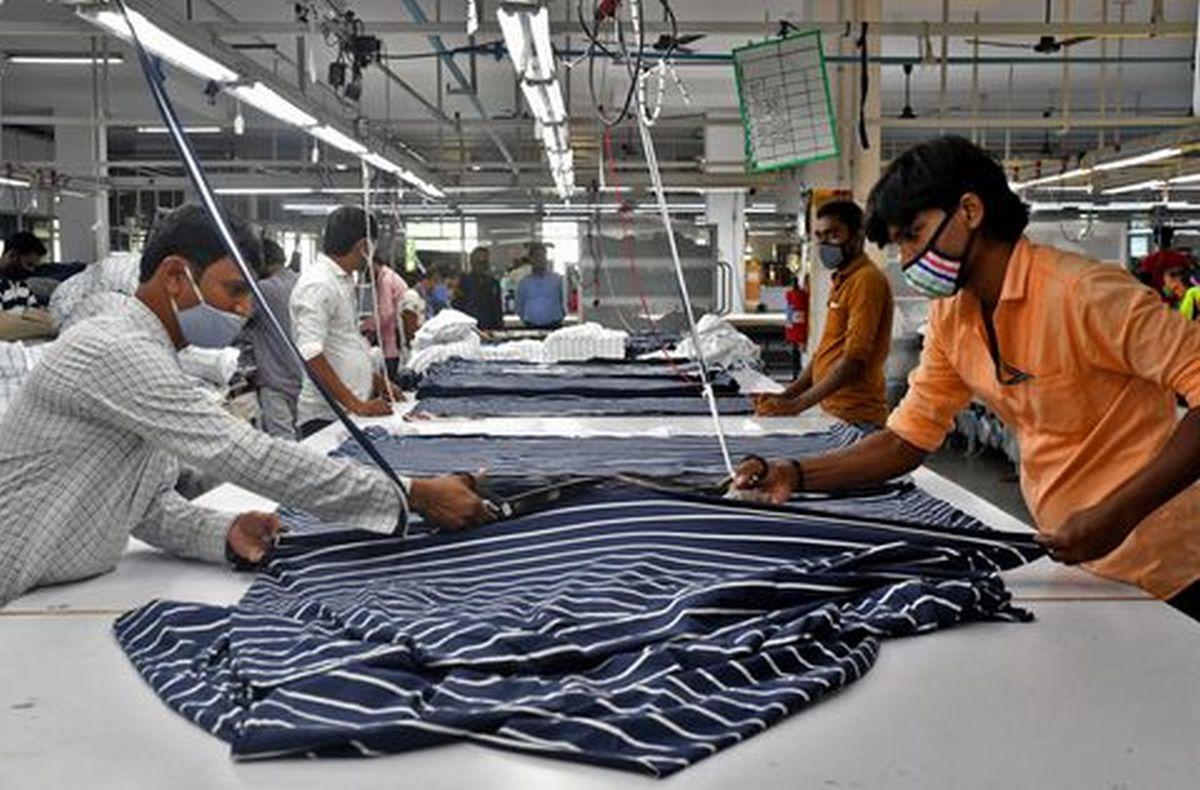
Tamil Nadu Chief Minister M K Stalin has sought an early conclusion of the ongoing India-US trade negotiations, saying that exporters at knitwear hub Tiruppur have already lost ₹15,000 crore in confirmed orders and millions of jobs were at risk, describing it as a 'looming humanitarian challenge'.
In a letter to Prime Minister Narendra Modi, Stalin said that in Tiruppur -- the knitwear capital of India -- exporters have resorted to production cuts of up to 30 per cent across units.
'These tariffs are squeezing profit margins and compelling exporters to offer deep discounts just to retain their clientele, thus eroding their competitiveness and viability. The ripple effects are profound. Lakhs of jobs hang in the balance, with the sectors already witnessing layoffs and wage deferrals that threaten the stability of entire communities,' Stalin said.
Orders to Tiruppur, meanwhile, are getting diverted to competitors like Vietnam, Bangladesh and Cambodia, which have a current tariff advantage.
Highlighting the escalating crisis in Tamil Nadu's export sectors, triggered by the punitive 50 per cent tariffs imposed by the United States on Indian exports, Stalin said that new orders are drying up at an alarming rate in Tiruppur and nearby areas.
'This has translated into a combined daily loss of ₹60 crore in revenues for exporters in Tiruppur, Coimbatore, Erode and Karur districts, pushing many small and medium enterprises to the brink of collapse. A similar dismal scenario is witnessed in our footwear clusters in Vellore, Ranipet and Tirupatthur districts,' he said.
Tamil Nadu -- one of the biggest exporting states in India's textile and apparel sector -- contributes 28 per cent to the nation's textile exports and employs around 7.5 million workers.
Equally significant is its 40 per cent share in India's leather and footwear exports, employing over 1 million workers.
'The current trade stalemate is not merely an economic setback but a looming humanitarian challenge due to the irreparable damage caused by the tariffs,' Stalin added.
'Worse still, international buyers are rapidly diverting orders to competitors like Vietnam, Bangladesh and Cambodia, which have a current tariff advantage over us. Once these markets are lost, regaining them would be an uphill battle, as entrenched supply chains rarely revert back. This has ominous long-term implications for the future employment prospects of our youth, especially women,' he added.
'A swift decision would not only revive our exporters' fortunes but also reinforce India's position as a reliable global manufacturing hub,' Stalin said.
'Being confident in your commitment to fostering equitable trade and protecting domestic industries and jobs, I look forward to an early resolution of this impasse.'






 © 2026