

TasteAtlas, the digital guide to the planet's food, has put together and just released its list of 100 Worst Rated Foods in the World for 2025.
The compilation's credibility comes from 722,000 reviews, with around 462,000 verified as genuine by the platform, discounting automated or biased voting.
And guess what? There are no Indian dishes on this list! If you are an Indian-food-phile you would probably think, how could there be?
Check out the most bizarre dishes you may wish you had never tasted!

1. Pizza Vulkanen
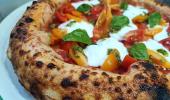
Invented by Chef Halmat Givra of Nya Gul & Blå restaurant in Piteå, Sweden, Vulkanen or volcano pizza is a visually-impressive dish with extra of just about everything in eye-popping excess -- there are pockets of cheese and ham, salami, bacon, beef tenderloin in a wide ring.
'Erupting' from the centre are french fries and a salad with creamy Béarnaise sauce.

2. Svið
Svið is a striking traditional speciality from Iceland, prepared using a sheep's head that is carefully split, cleaned and cooked.
Commonly enjoyed during the midwinter celebration of Þorrablót, the dish is usually accompanied by mashed potatoes, puréed swedes (a root vegetable) and a sharp rhubarb preserve.

3. Thorramatur
The term Thorramatur refers to an assortment of age-old Icelandic food specialities traditionally eaten during the Nordic season of Þorri.
Preserved seafood and meats are portioned into small cuts and presented across long buffet spreads, typically accompanied by dense rye bread and generous servings of butter.

4. Truchas a la Navarra
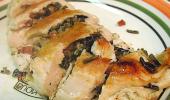
A classic seafood preparation from Spain's Navarre region, the preparation is centred on fresh trout. The fish is lightly-coated and cooked with cured serrano ham and then finished with lemon, parsley, olive oil and seasoning.

5. Blodpalt
Rooted in the culinary traditions of northern Sweden and Finnish Lapland, blodpalt are hearty, deep-hued dumplings made using rye or barley flour combined with animal blood.
Historically, reindeer blood was commonly used, reflecting the region's reliance on locally-available ingredients and age-old food practices.







 © 2026