

These Dussehra traditions have survived centuries, even as India has changed dramatically around them.
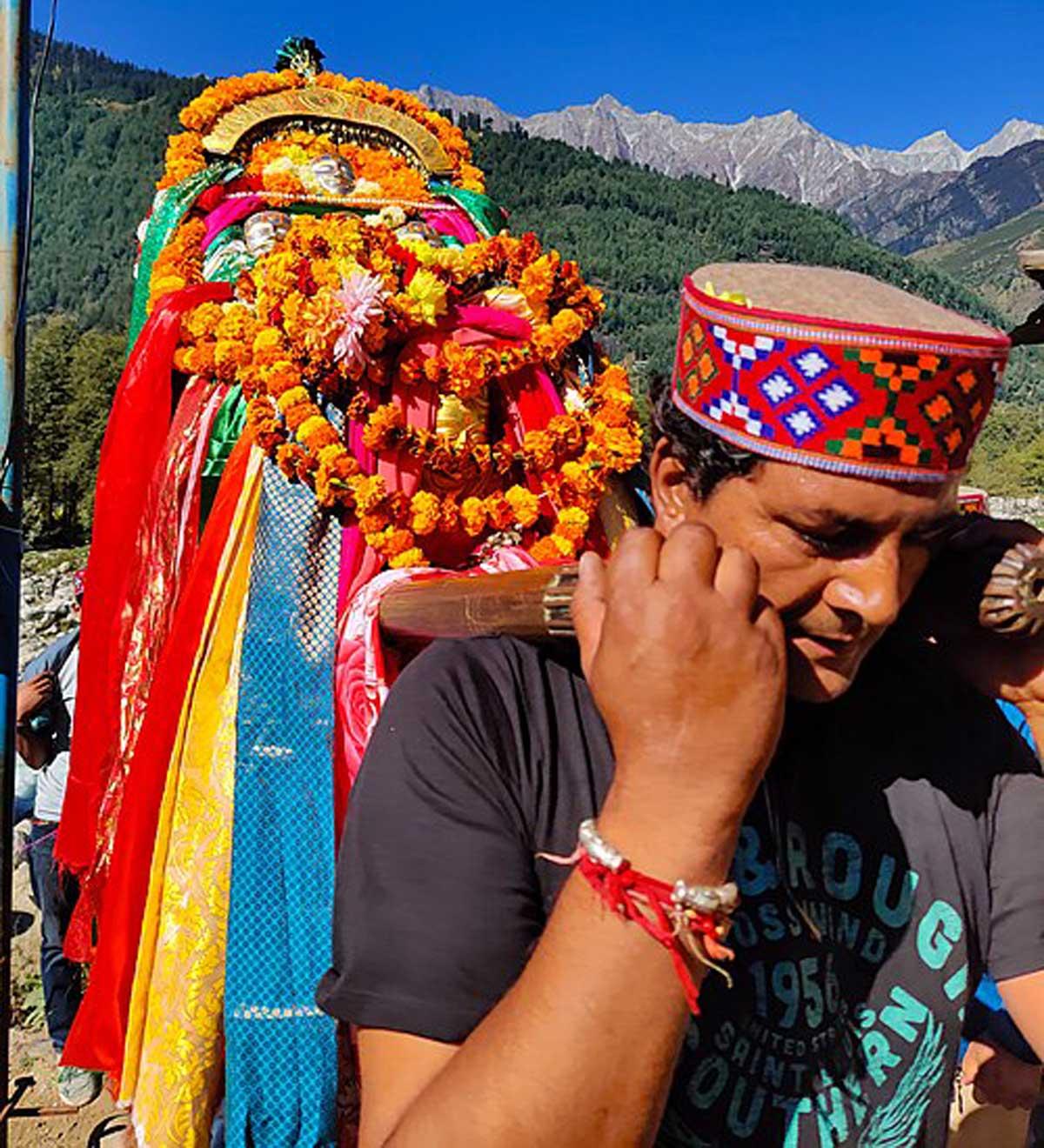
Most of us know Dussehra as the day giant Ravana effigies go up in smoke. Ten heads, twenty arms and a whole lot of fireworks. But that's just one version of the story.
Travel a few hundred kilometres in any direction and Dussehra becomes something else entirely. In some places, it's not even about Lord Rama and Ravana at all.
The 75 day marathon
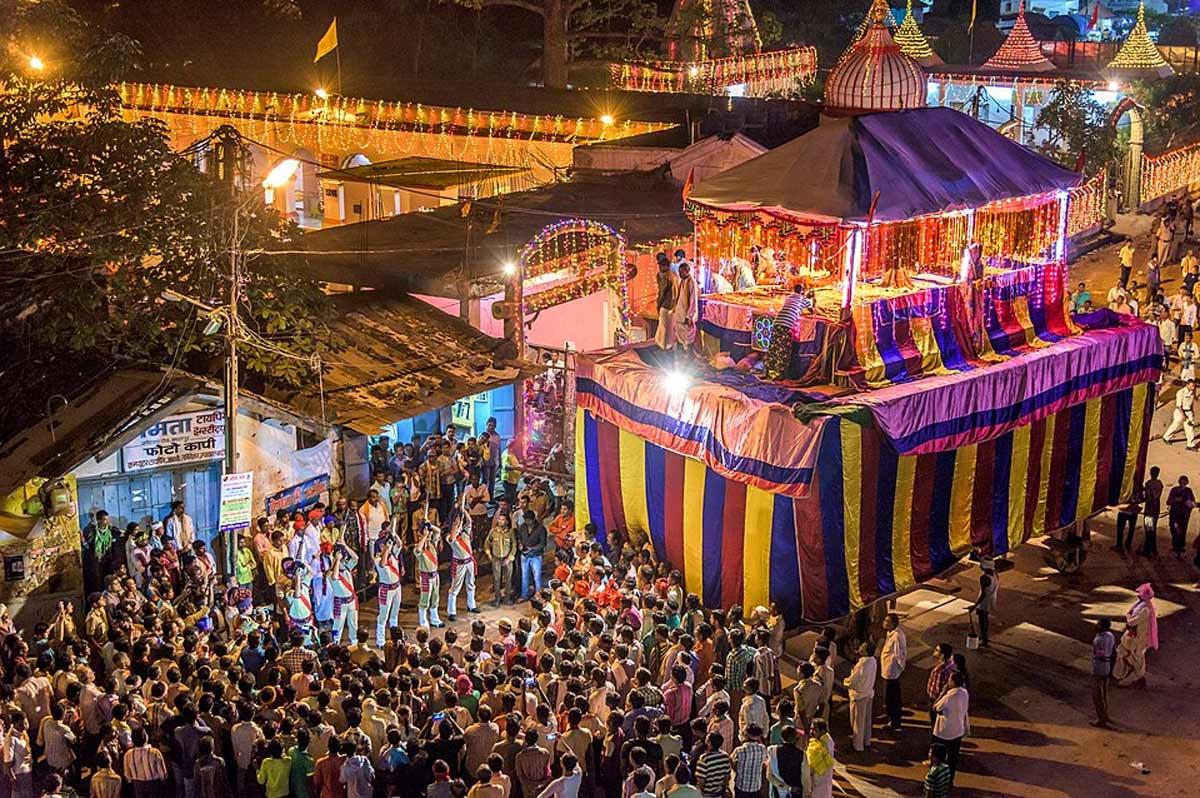
Take Bastar in Chhattisgarh. Their Dussehra doesn't last a day or a week or 10 days -- it goes on for 75 days. That's two-and-a-half months of festivities, making it one of the longest festivals anywhere in the world.
The celebration dates back to the 13th century, to the reign of King Purushottam Dev. But here's the thing: It has nothing to do with Lord Rama's victory. The tribal communities who've kept this tradition alive for centuries worship Goddess Danteshwari Devi instead.
There's a massive decorated chariot that gets pulled through Jagdalpur's streets. Tribal dancers perform in traditional dress, drums echo everywhere and then there's the 'Jogi Bithai' ritual -- where a tribal priest sits in meditation for days without food or water. It's intense and completely different from the Dussehra most Indians grow up with.
Starting when everyone else stops
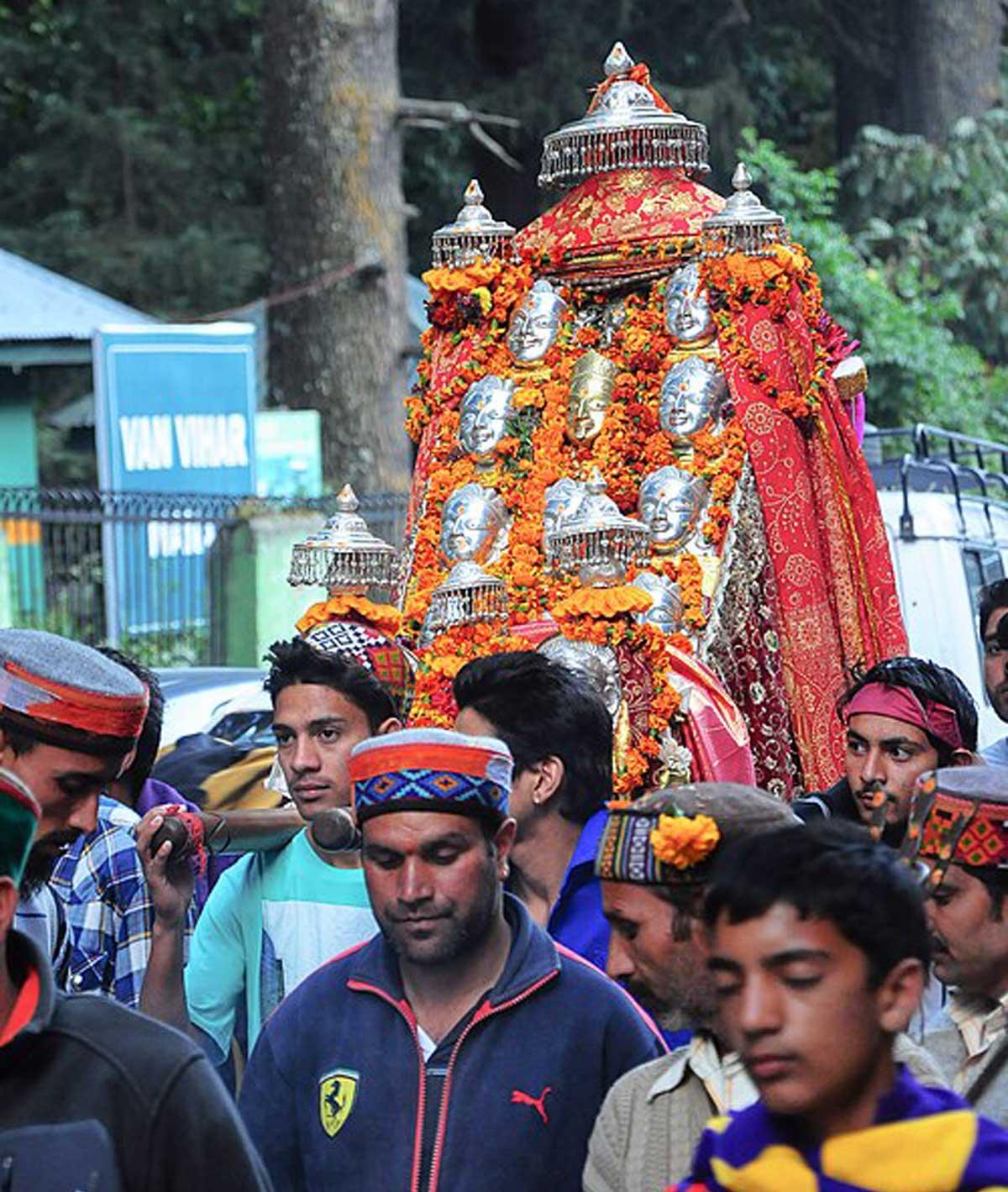
Up in Himachal Pradesh's Kullu Valley, they do things differently. Their Dussehra kicks off on Vijayadashami -- the exact day when the rest of India is packing up and going home.
The tradition goes back to the 17th century when King Jagat Singh installed an idol of Lord Raghunath. Now it's become a week-long event that draws over 4,00,000 people.
Hundreds of village deities get carried down in palanquins from the surrounding hills to pay respects to Lord Raghunath.
The main idol goes on an elaborately decorated chariot and the whole valley turns into one big cultural fair with folk dances, singing, sports competitions and handicraft exhibitions. It's part religious procession, part tourist carnival.
Where royalty still matters
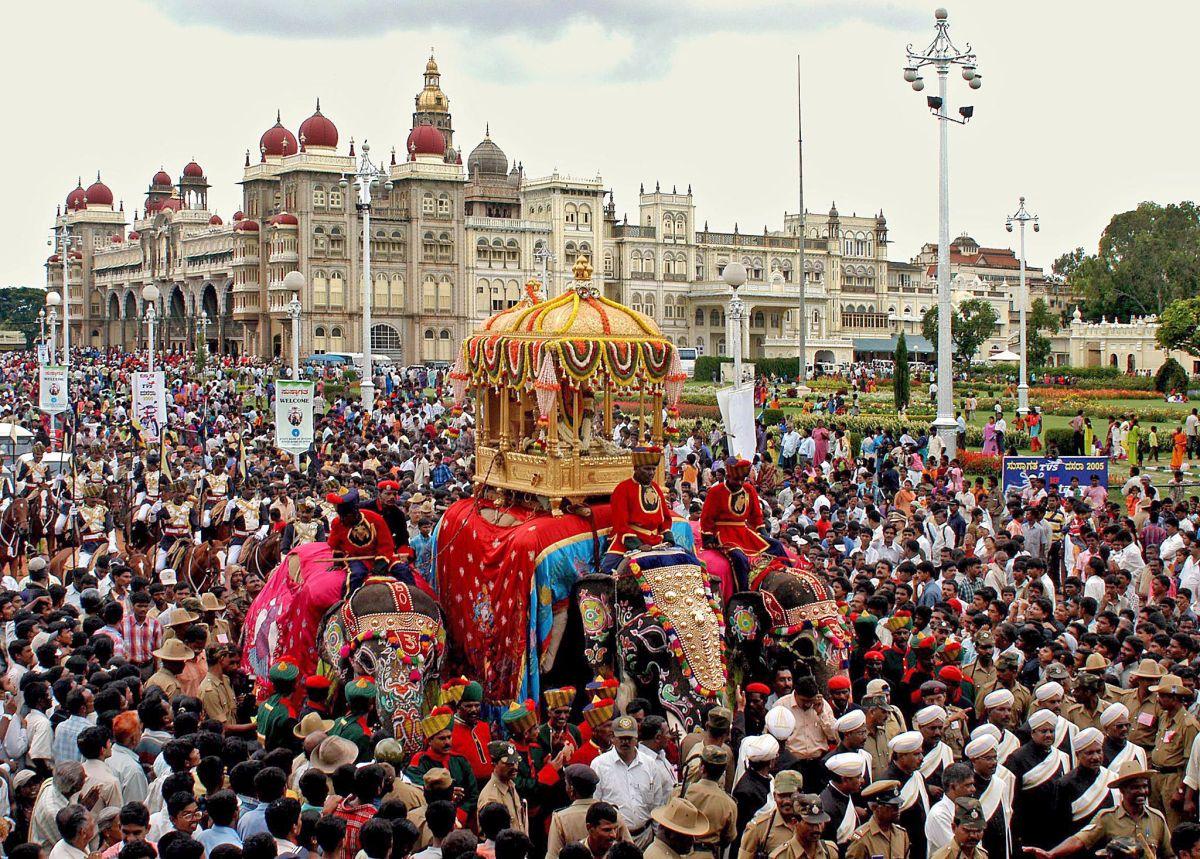
Mysuru in Karnataka keeps its royal connections alive. The city's Dussehra celebration is all about spectacle and the centrepiece is the Jumbo Savari -- a procession featuring trained elephants decked out in colorful gear.
The lead elephant carries a 750 kilogram golden howdah with the idol of Goddess Chamundeshwari.
These elephants train for 50 days just to be ready for this parade.
The procession happens with the Mysuru palace lit up in the background and lakhs of people turn up to watch.
It's a 10-day affair with cultural programmes showcasing Karnataka's dance and music traditions. The whole thing feels like a throwback to when the Wodeyar dynasty ruled here.
Different stories, same festival
What's striking is how little these celebrations have in common.
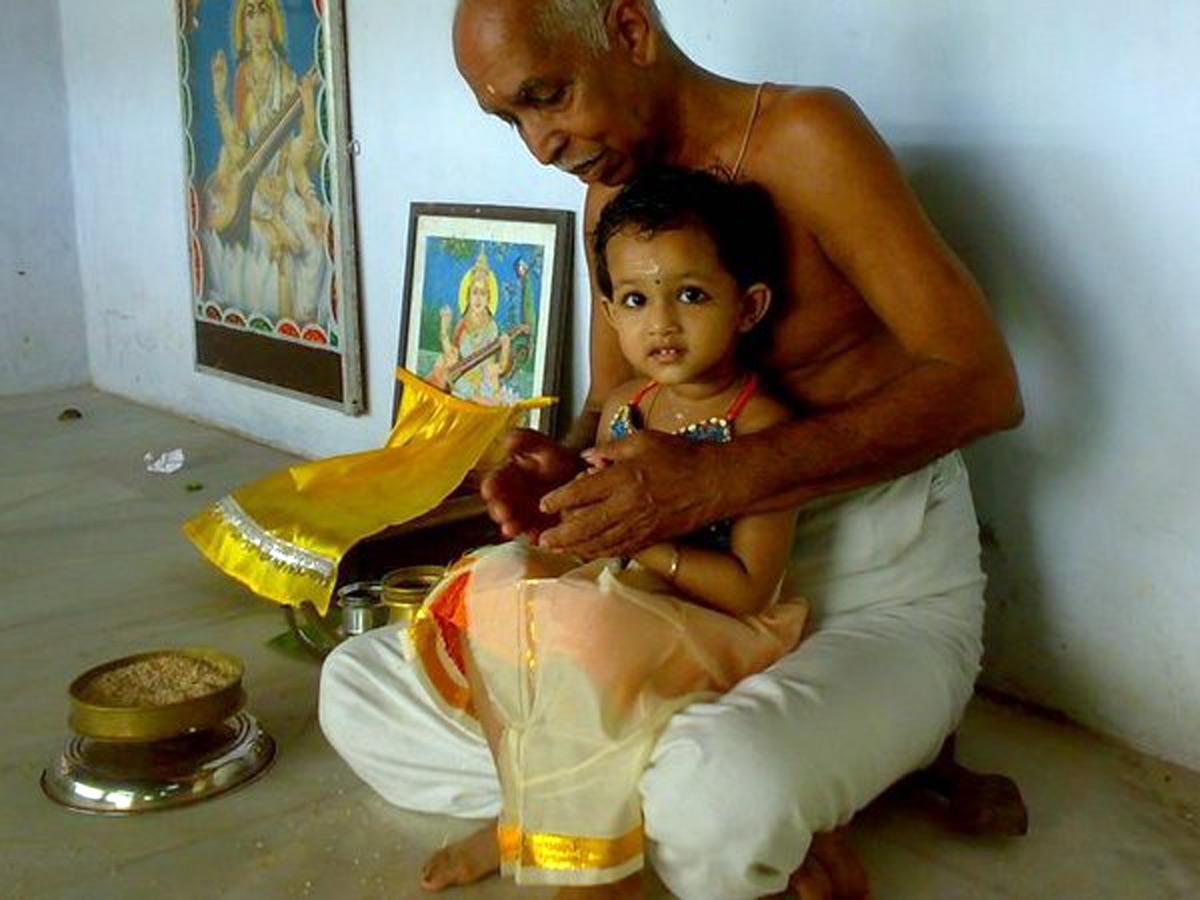
In Kerala, Dussehra -- or Vidyarambham -- is about education. Children write their first letters under the guidance of elders. Books and musical instruments get worshipped. No demons, no battles, just learning.
In Varanasi, the same families have been performing Ramlila for over 200 years. The role of Hanuman or Ravana gets passed down through generations like an heirloom. Your great-great-grandfather played Ravana, so you play Ravana.
These aren't minor variations on a theme. They are completely different festivals that happen to share a date on the calendar.
Why it matters
India's diversity is often talked about in the abstract. But festivals like these make it concrete. A celebration that's about Rama's victory in Delhi becomes a 75-day tribal festival in Bastar, a royal elephant parade in Mysuru and a day of learning in Kerala.
These traditions have survived centuries, even as India has changed dramatically around them.
They are fragile in some ways -- dependent on communities keeping them alive, on younger generations caring enough to learn the rituals, on local governments providing support.
And strong on others -- a perfect examples of what many of us have seemingly forgotten. That India's strength lies in 'Unity In Diversity'.








 © 2026