

In a world that needs more connection, learn how to break free from loneliness, build meaningful relationships and improve your health.
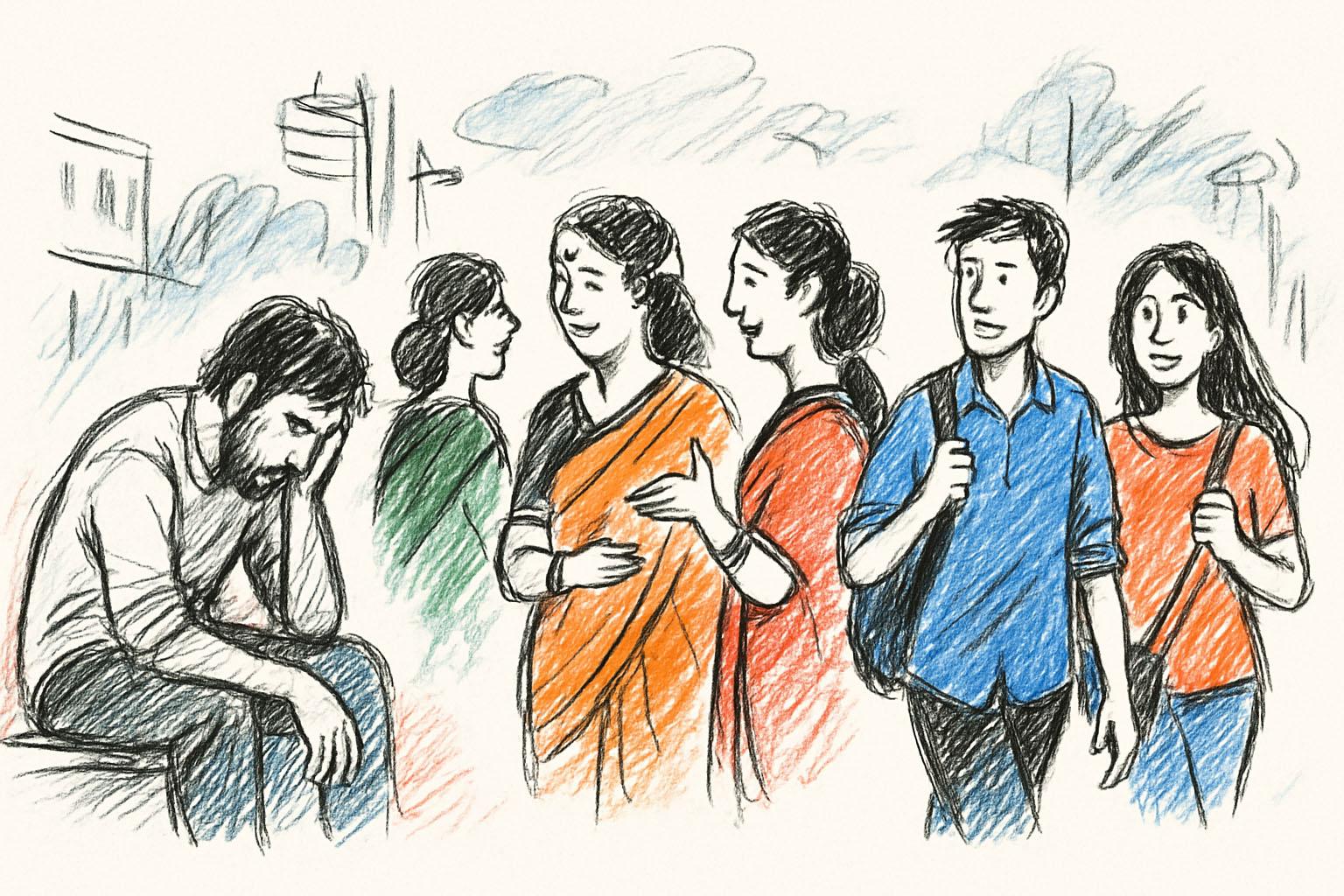
In an age where digital connectivity is at its peak, a silent but serious issue is taking root -- loneliness.
The World Health Organisation now classifies loneliness as a significant global health threat.
Between 2014 and 2019, loneliness was linked to more than 871,000 deaths each year, a toll comparable to heart disease and diabetes.
Loneliness: A growing global health concern
WHO's landmark report From Loneliness To Social Connection: Charting A Path to Healthier Societies, urges governments, communities and individuals to treat social health on par with physical and mental well-being.
Strong social connections are not just nice to have -- they are essential. They contribute to longer lives, stronger communities and lower healthcare burden.
Conversely, loneliness and social isolation are now proven to be deeply harmful, often invisible, forces affecting health and happiness.
The hidden cost of loneliness
Loneliness isn't simply a passing mood -- it is a persistent emotional and social disconnection that damages the body and mind alike.
Mounting research shows a direct link between long-term loneliness and a higher risk of major health issues, including heart disease, stroke, depression, dementia, anxiety and type 2 diabetes.
Social bonds, in contrast, act as a natural protector.
They help regulate stress hormones, boost immunity and reduce inflammation.
In the absence of these connections, the body experiences chronic stress, making individuals more vulnerable to illness.
Simply put, the body suffers when the soul feels alone.
Who is feeling lonely?
Loneliness touches every corner of the world and spans all age groups, though some demographics feel it more intensely. Between 2014 and 2023, around 16 per cent of people globally reported feeling lonely.
Notably, young people are among the most affected.
Nearly 21 per cent of teenagers (aged 13-17) and 17 per cent of young adults (aged 18-29) reported high levels of loneliness.
This may be tied to the pressures of a digitally saturated culture and changing social dynamics.
Interestingly, the trend seems to reverse with age. Older adults tend to report lower loneliness levels, possibly due to shifting expectations, stronger resilience or more stable social relationships.
Beyond the screen: Why we feel disconnected
Despite being constantly connected via smartphones and social media, people increasingly report feeling emotionally cut off.
WHO stresses that digital interaction alone cannot substitute for meaningful, face-to-face connection. Several societal and structural factors are deepening this disconnection:
• Illness or disability can restrict movement, reducing social exposure.
• Financial difficulties often limit social engagement and cause stress that hinders relationships.
• Urbanisation has reduced neighbourhood interaction and the availability of shared public spaces.
• A cultural emphasis on independence over interdependence has made many reluctant to ask for help or invest in community ties.
• Shrinking families and fewer communal events have eroded natural support systems.
Loneliness can trigger or worsen mental health conditions.
Psychological support like cognitive behavioural therapy (CBT) or group counselling can help reframe negative beliefs and foster safe spaces for dialogue.
Small acts matter. Sharing a meal, helping a neighbour, or joining a hobby club may seem trivial but they build emotional scaffolding over time.
The key is regular, intentional efforts to connect with others offline, face-to-face.
While tech can support long-distance relationships and niche communities, it should not replace physical interactions. Mindful use of digital tools -- turning off distractions, avoiding doom-scrolling or scheduling real conversations -- can help maintain balance.
Beating loneliness isn't a solo mission -- it demands a societal shift.
We must value connection as a core human need, much like food, shelter or medicine. Only by investing in inclusive, connected and compassionate communities can we secure a healthier, more united future.
The challenge lies in adapting to today's fast-paced, fragmented world and ensuring that no one, whether young or old, is left behind.








 © 2026