
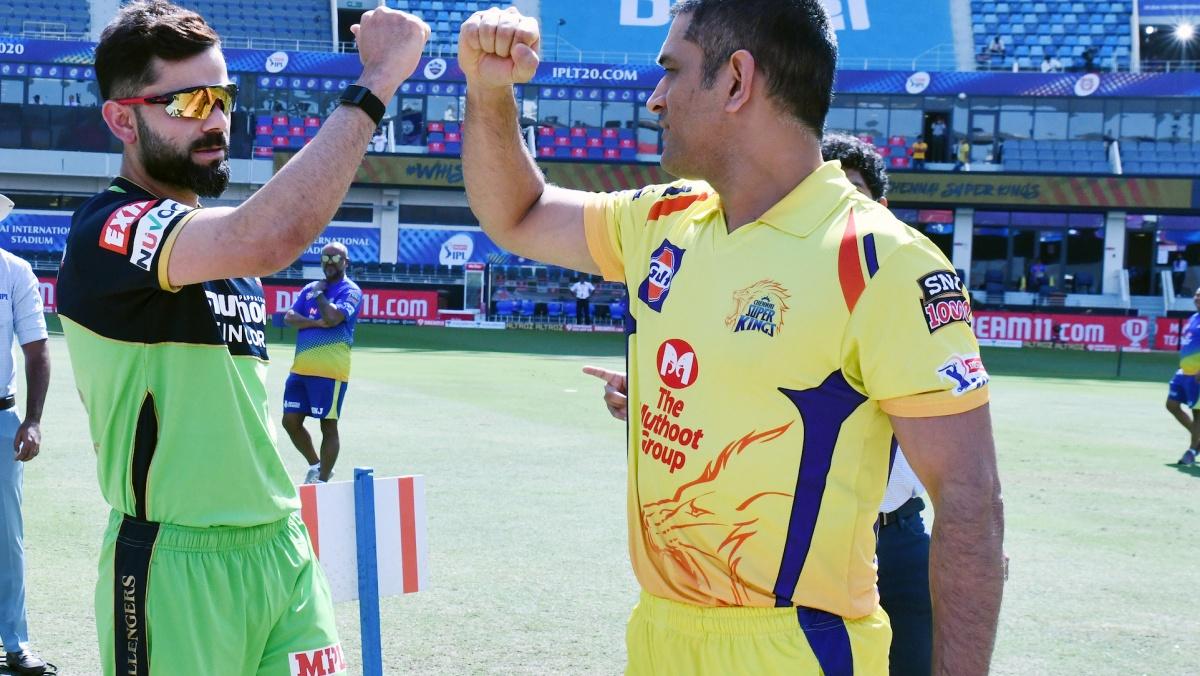
What do Sunil Gavaskar, Kapil Dev, and Virat Kohli have in common? According to Ravi Shastri — they helped shape Indian cricket as we know it.
Speaking on the Stick to Cricket podcast, hosted by former England cricketers Phil Tufnell, Alastair Cook, David Lloyd, and Michael Vaughan, former India coach Ravi Shastri named the five players he believes have had the biggest impact on the game.
On the podcast, Shastri named Gavaskar, Kapil Dev, Sachin Tendulkar, MS Dhoni, and Virat Kohli in his top five. Indian spin wizard Bishan Singh Bedi and current pace spearhead Jasprit Bumrah missed the cut.
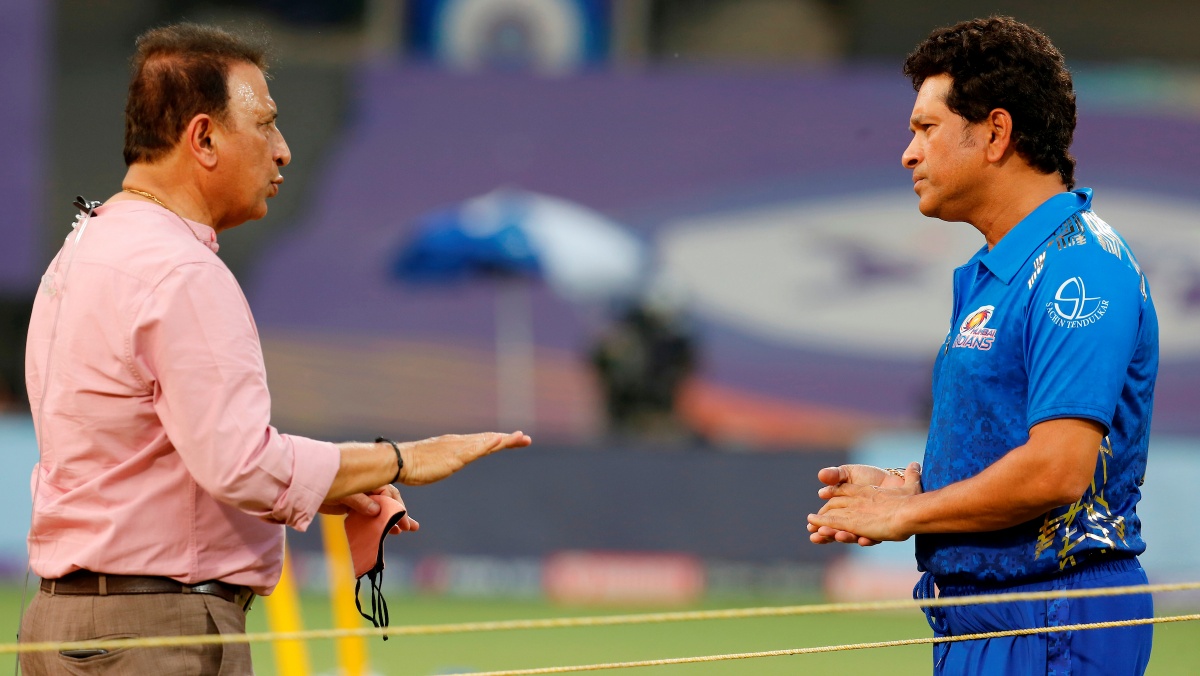
“Definitely (Sunil) Gavaskar, Kapil (Dev), Sachin (Tendulkar), and Virat (Kohli) — definitely for being... I’m looking at the most influential players of that era. Bishan (Singh Bedi) would have been there, but MS (Dhoni) again... MS will come in. Bumrah is still playing; he's young and still has a lot of cricket ahead. I'm naming those who have almost finished their careers — so these will be the five,” said Shastri.
Shastri went on to rank Gavaskar as the number one batter among them and called Sachin Tendulkar an “entire package,” citing his longevity, records, and battles against some of the toughest bowlers in cricket history.
“Gavaskar — I would say batting. Kapil — wow, a fabulous cricketer. But the entire package, number one, would be Tendulkar because of the expectations and his longevity. Playing 24 years at the highest level is a lot. He scored 100 hundreds. He faced every pace attack of that era — starting from Wasim (Akram), Waqar (Younis), and Imran (Khan), to the Aussies, the English attack of Broady (Stuart Broad) and (James) Anderson, and the South African attack — Kallis, Shaun (Pollock). Technique-wise and in terms of following, he is pure,” Shastri added.

Sunil Gavaskar, known as the 'Little Master', is widely regarded as one of the most technically sound batters in cricket history. In 233 international matches, he scored 13,214 runs at an average of 46.20, including 35 centuries. He was the first cricketer to cross 10,000 runs in Tests, accumulating 10,122 runs in 125 Tests at an average of 51.12, with 34 centuries and 45 fifties. Gavaskar remains India's third-highest run-scorer in Test cricket and was part of India’s 1983 World Cup and 1985 World Championship of Cricket-winning squads.
Kapil Dev’s influence transcends statistics. A flamboyant all-rounder, he instilled belief in an underdog Indian side that went on to win the 1983 World Cup, shifting the power centre of world cricket. In 356 international matches, Kapil scored 9,031 runs at an average of 27.53, including nine centuries and 41 fifties. He is India’s fourth-highest wicket-taker, with 687 wickets at an average of 28.83, including 24 five-wicket hauls and two ten-wicket match hauls. 434 of those wickets came in Tests.
Sachin Tendulkar is widely regarded as the most technically proficient batter of all time. He reigns atop the international batting charts with 34,357 runs in 664 matches at an average of 48.52, including a record 100 centuries. He was the first cricketer to score a double hundred in ODIs and retired in 2013 after a glittering 24-year career that began when he was just 16.
A 2011 World Cup and 2002 ICC Champions Trophy winner, Tendulkar also holds the record for most runs in the history of the Cricket World Cup, with 2,278 runs at an average of 56.95, including six centuries and 15 fifties. He scored 15,921 runs in 200 Tests (51 centuries) and 18,426 runs in 463 ODIs (49 centuries). He also took 201 wickets in international cricket, proving to be a useful part-time bowler.
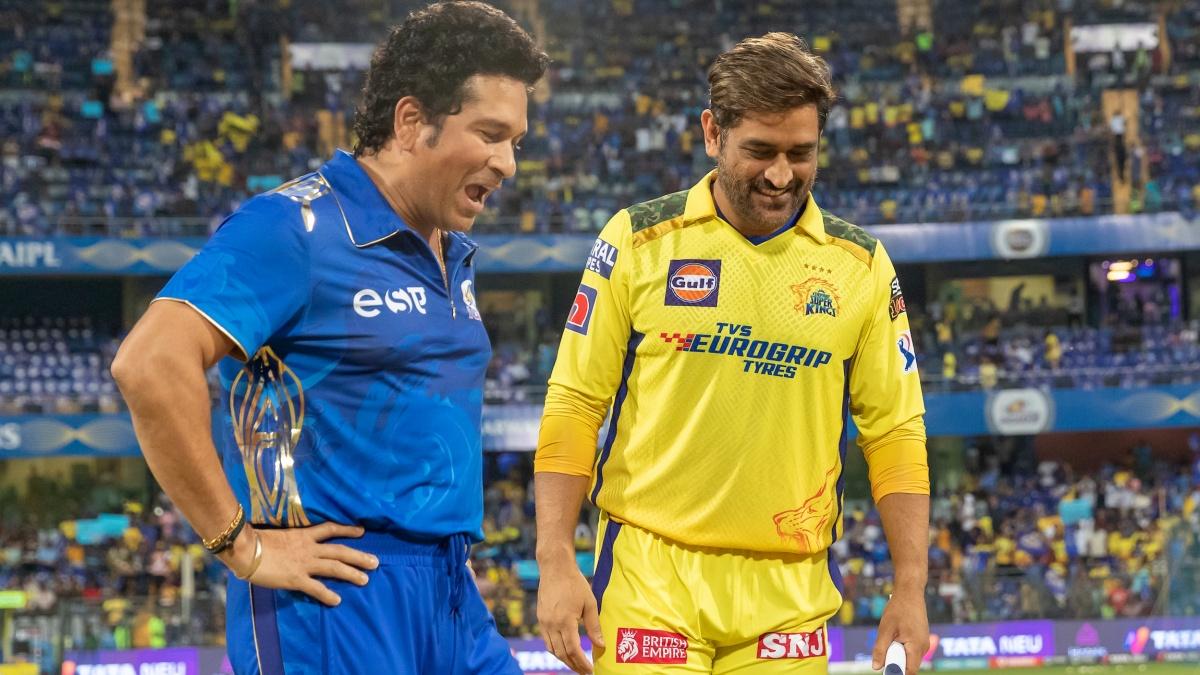
MS Dhoni went from being a ticket collector with Indian Railways to a trophy collector for India, scripting one of the most inspirational journeys in cricket. He is the only captain to have won the ICC T20 World Cup (2007), ICC Cricket World Cup (2011), and ICC Champions Trophy (2013). In 538 international matches, Dhoni scored 17,266 runs at an average of 44.96, including 16 centuries and 108 fifties, making him India’s sixth-highest run-scorer.
Dhoni was India’s first wicketkeeper-batter capable of batting like a top-order specialist. His best format was ODIs, where he scored 10,773 runs at an average of 50.57 in 350 matches, with 10 centuries and 73 fifties, including a best of 183*. With 829 dismissals behind the stumps and lightning-fast reflexes, Dhoni was just as entertaining with the gloves as he was with the bat.
Virat Kohli is the third-highest run-getter in international cricket, with 27,599 runs in 550 matches and 617 innings at an average of 52.27, including 82 centuries. He is India’s greatest all-format player, with most past legends having limited or no T20I experience.
Kohli’s most successful format is ODIs, where he has scored 14,181 runs in 302 matches at an average of 57.88, with 51 centuries — the most by any batter. In Tests, he has scored 9,230 runs in 123 matches at an average of 46.85, with 30 centuries and 31 fifties. As captain, he led India to 40 wins in 68 Tests, their best-ever record, and helped build a world-class pace attack alongside Shastri while championing fitness culture.
In T20Is, Kohli is the third-highest run-scorer of all time, with 4,188 runs at an average of 48.69, including one century and 37 fifties.
He is a one-time ODI World Cup winner (2011), a two-time ICC Champions Trophy winner (2013 and 2025), and a T20 World Cup winner (2024). He also led India to three ICC World Test Championship maces. With 3,834 runs in 90 ICC white-ball tournament matches, including six centuries and 33 fifties, Kohli has consistently delivered on the biggest stages.












 © 2025