

In a series finale defined by pressure and fine margins, the Indian dressing room found its anchor in an unexpected source — the Shri Shiva Rudrashtakam.
As reported by Dainik Jagran, the devotional chant was played every day during their dramatic series-levelling win over England at The Oval, shaping the team’s mood in a high-stakes battle against England.
With the series on the line and India trailing 1-2, the pressure was suffocating.
Early in the first innings, when Yashasvi Jaiswal and KL Rahul fell cheaply to leave India wobbling at 38 for 2, the mood dipped. That’s when veteran throwdown specialist Raghavendra -- known as Raghu -- quietly played the Rudrashtakam in the dressing room.
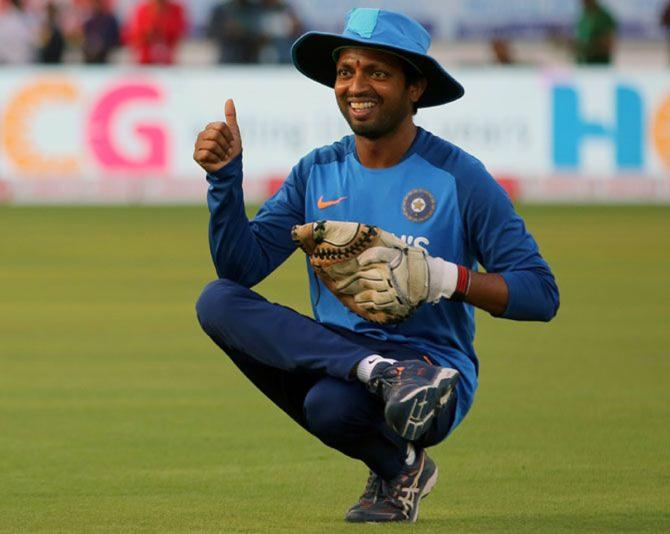
What began as a moment of calm soon became a ritual. From day one to day five, the hymn’s steady rhythm and devotional intensity became the soundtrack of India’s fightback.
‘It wasn’t planned,’ one touring squad member told Dainik Jagran. ‘But once it started, it stayed. It brought this strange mix of peace and energy.’
Another player told the publication that music -- from upbeat tracks to the Hanuman Chalisa -- often plays before or after sessions, but five straight days of Rudrashtakam in a high-pressure Test was new. ‘I won’t say we won just because of it, but it gave us an energy boost.’

For India, it became more than a chant -- it was an emotional anchor. And as the Oval Test swung back and forth, the hymn never left the room. India eventually sealed a thrilling six-run win to square the series 2-2.
Composed by Tulsidas in the 16th century, the Rudrashtakam is in praise of Lord Shiva and is part of the Ramcharitmanas.












 © 2025