
Despite calls for sport to be a unifying force, India-Pakistan cricket matches remain heavily symbolic, often reflecting broader geopolitical tensions.
The group-stage match on September 14 in the ongoing Asia Cup in the UAE was the first time that the nuclear-armed neighbours played each other since the Pahalgam terror attack.
The clash, which India won by seven wickets, was overshadowed by the infamous handshake controversy as India skipper Suryakumar Yadav and his opposite number Salman Ali Agha refused to engaged in the customary handshake before the toss.
After India chased down the paltry 128-run target, the Indian skipper walked straight back to the changing room, alongside Shivam Dube, without exchanging handshakes with the opposition, triggering a fresh wave of acrimony on either side of the border.
On Sunday as the two teams met again in a Super 4 clash, the tensions resurfaced as Suryakumar seemingly snubbed Agha again at the toss, walking back promptly without bothering to shake hands with the Pakistan captain.
Sent in to bat, Pakistan were off to a quick start as they raced away to 93-2 in 10.3 overs with young opener Sahibzada Farhan scoring a fluent 58 off 45 deliveries.
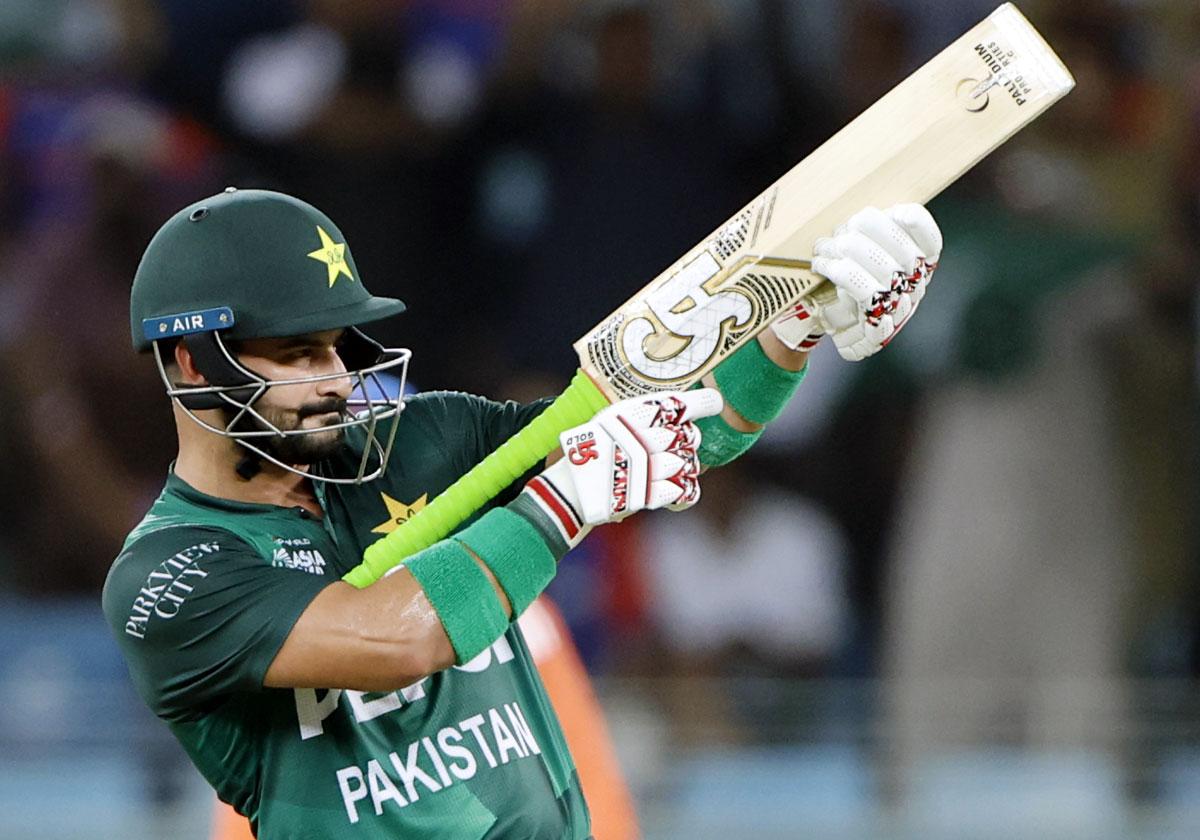
As he reached his fifty , lofting Axar Patel for a massive six over mid-wicket, he pulled off a gun-firing celebration with his bat, adding another layer of intrigue to an already electric rivalry.
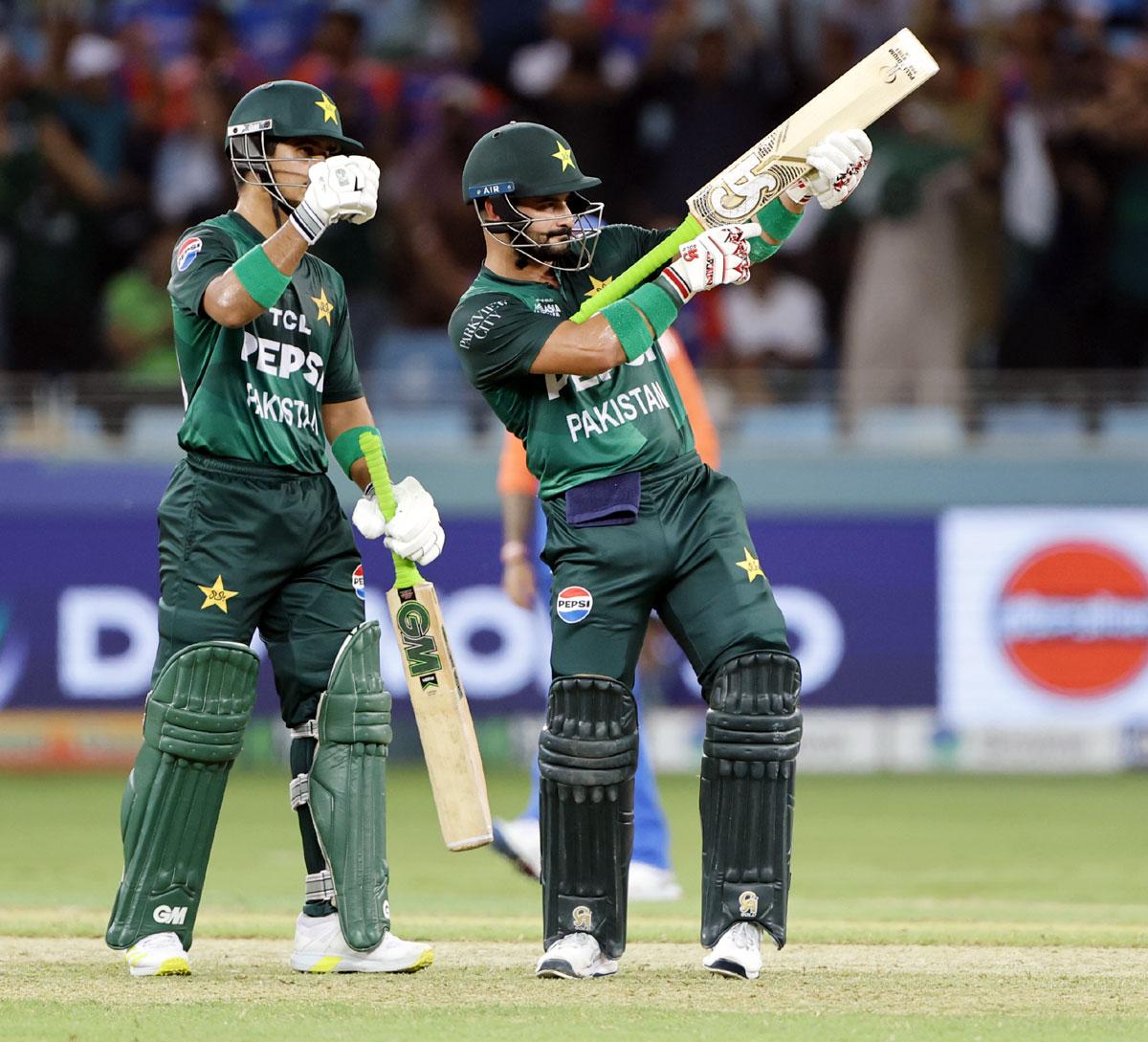
Farhan's knock contained five boundaries and three sixes as he took on India's much-vaunted spin attack comprising Kuldeep Yadav, Varun Chakravarthy, and Axar.
India's pace spearhead Jasprit Bumrah also leaked runs, conceding 34 runs in his first three overs.









 © 2025