

Higher jet fuel prices globally will weigh on airline profitability
Key Points
- IndiGo does not hedge fuel prices and is, therefore, more exposed to sudden spikes.
- For IndiGo, the impact of the conflict is mixed.
- IndiGo has also attempted to restart some European services using alternative routes.
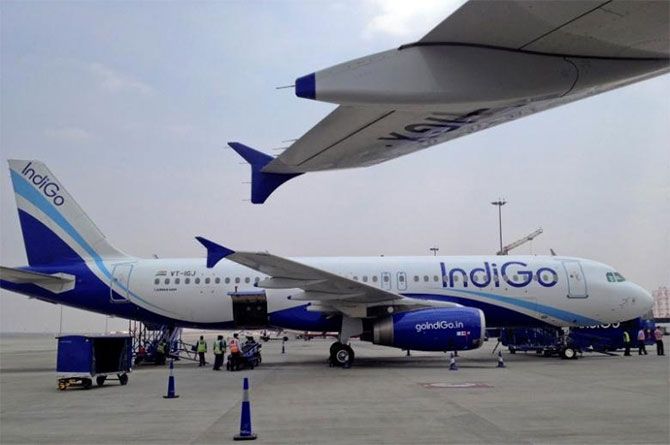
IndiGo airline will face near-term pressure on profitability from rising fuel prices following the escalation of conflict in West Asia, though it is likely to pass on higher costs to passengers over time because its ticket booking cycle is relatively short, according to a report by Moody's Ratings.
In a report dated March 13, the ratings agency said that IndiGo does not hedge fuel prices and is, therefore, more exposed to sudden spikes.
However, its shorter booking curve of "about 30-45 days" will likely allow the airline to pass through higher costs to customers over the "medium-term”, it added.
Israel and the US carried out military strikes on Iran on February 28, triggering a fresh conflict in the region, and disrupting air travel across parts of West Asia.
The developments have led to higher oil and jet fuel prices, and forced airlines to take longer routes because of airspace closures.
Conflict will squeeze airline profitability globally
Moody’s said the conflict will squeeze airline profitability globally because fuel — the second-largest cost for airlines after labour — has risen sharply.
“Higher jet fuel prices globally will weigh on airline profitability,” the report said, noting that the spike comes after several years in which relatively moderate fuel prices supported airline earnings.
The agency noted that Brent crude prices had surged to nearly $100 per barrel after the conflict began, about 45 per cent higher than the average price in 2025.
At the same time, the spot price of jet fuel in the US Gulf Coast region rose to more than $3.50 per gallon, roughly 65 per cent higher than the 2025 average.
Impact of the conflict on IndiGo
For IndiGo, the impact of the conflict is mixed.
While the airline has exposure to West Asia travel — the region contributes about 18-20 per cent to its revenue — its dominant presence in India’s domestic market provides a cushion, the ratings agency said.
The carrier holds around 64 per cent share of the domestic market, and generates roughly three-quarters of its revenue from domestic operations, it added.
The airline has also attempted to restart some European services using alternative routes after airspace disruptions, though the effort has had only partial success, it said.
Over the medium term, IndiGo retains the flexibility to redeploy aircraft to domestic routes or to destinations in Southeast Asia if disruptions persist, the report said.
IndiGo will face near-term pressure
Moody’s said IndiGo “will face near-term pressure from increased fuel costs, longer flight times on account of rerouting, and ongoing exposure to foreign exchange volatility from the depreciation of the Indian rupee”.
Fuel costs are particularly sensitive for airlines because even small increases in jet fuel prices can significantly raise operating expenses.
According to IndiGo's estimates cited in the report, every $1 increase in jet fuel prices raises the airline’s fuel expenses by about Rs 20-25 crore per month based on its current consumption.






 © 2026