
Both Caravaggio and Djokovic entered worlds ruled by giants, shattered conventions with defiance, and redefined greatness within the rigid lines of their craft.
One with a brush, the other with a racquet but both turned their tools into instruments of disruption. And ultimate greatness, notes Anurag Chatrath.
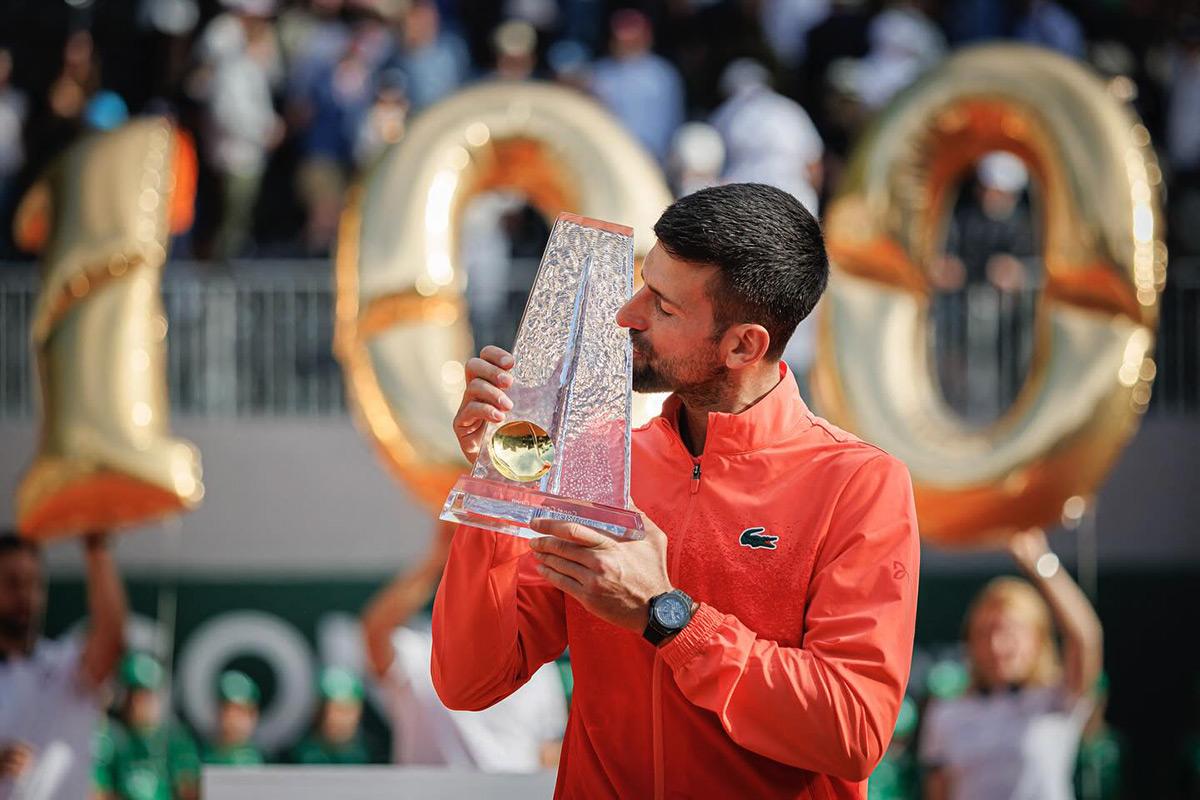
Art and tennis live in different galleries -- one hangs on museum walls, the other plays out on courts. But both are defined by composition, timing, and tension -- and above all --the will to create something unforgettable within a defined space.
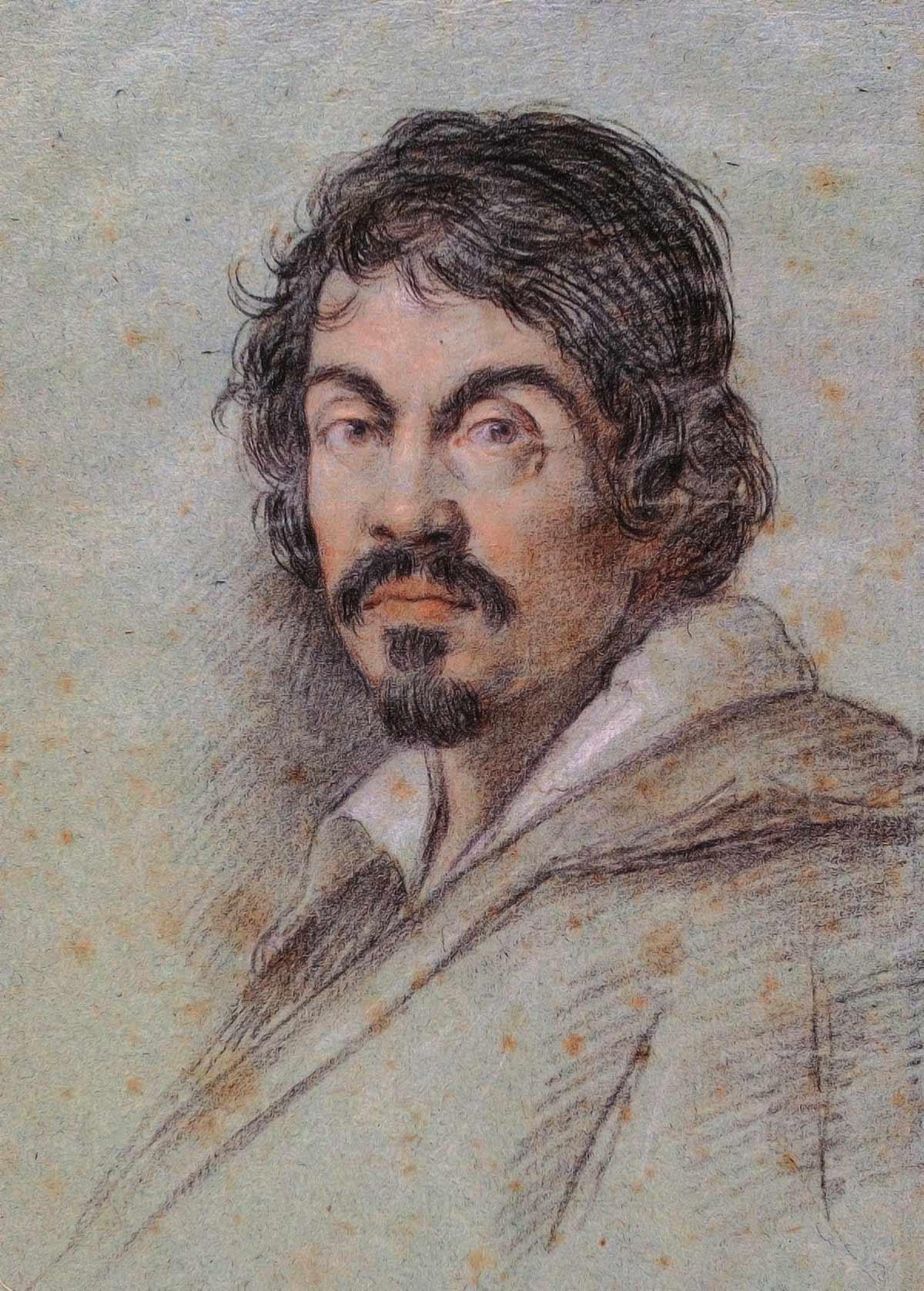
The Italian painter, Michelangelo Merisi da Caravaggio (1571-1610), and Novak Djokovic (b. 1987), the Serbian tennis titan, seem an unlikely pair. Yet their trajectories -- born centuries apart, in disciplines worlds away -- follow similar arcs.
Both entered fields ruled by giants, faced scepticism and resistance, and ultimately redrew the dimensions of their craft.
One wielded a brush, the other a racquet. But both turned their tools into instruments of disruption. And ultimate greatness.
Painting Outside the Lines
When Caravaggio arrived on the art scene, the Renaissance masters -- Leonardo, Michelangelo, Raphael -- had elevated painting to a divine ideal of beauty and balance. Their works glowed with harmony and grace. Art had rules: perspective, polish, serenity.
Caravaggio didn't just break those rules -- he slashed through them. He dipped his brush in darkness and light, wielding chiaroscuro like a backhand down the line.
He painted apostles as peasants, saints with dirt-caked feet, and biblical scenes with sweat and sorrow. His works didn't comfort viewers but confronted them.
Djokovic stepped into a similar arena. Federer had already turned tennis into art. Nadal brought raw power and grit. Together, they were a two-man exhibition of greatness. Then Djokovic entered the gallery --and hung his own portrait.
To thrive in these temples built by deities, both Caravaggio and Djokovic had to become heretics.
Crafting a New Style
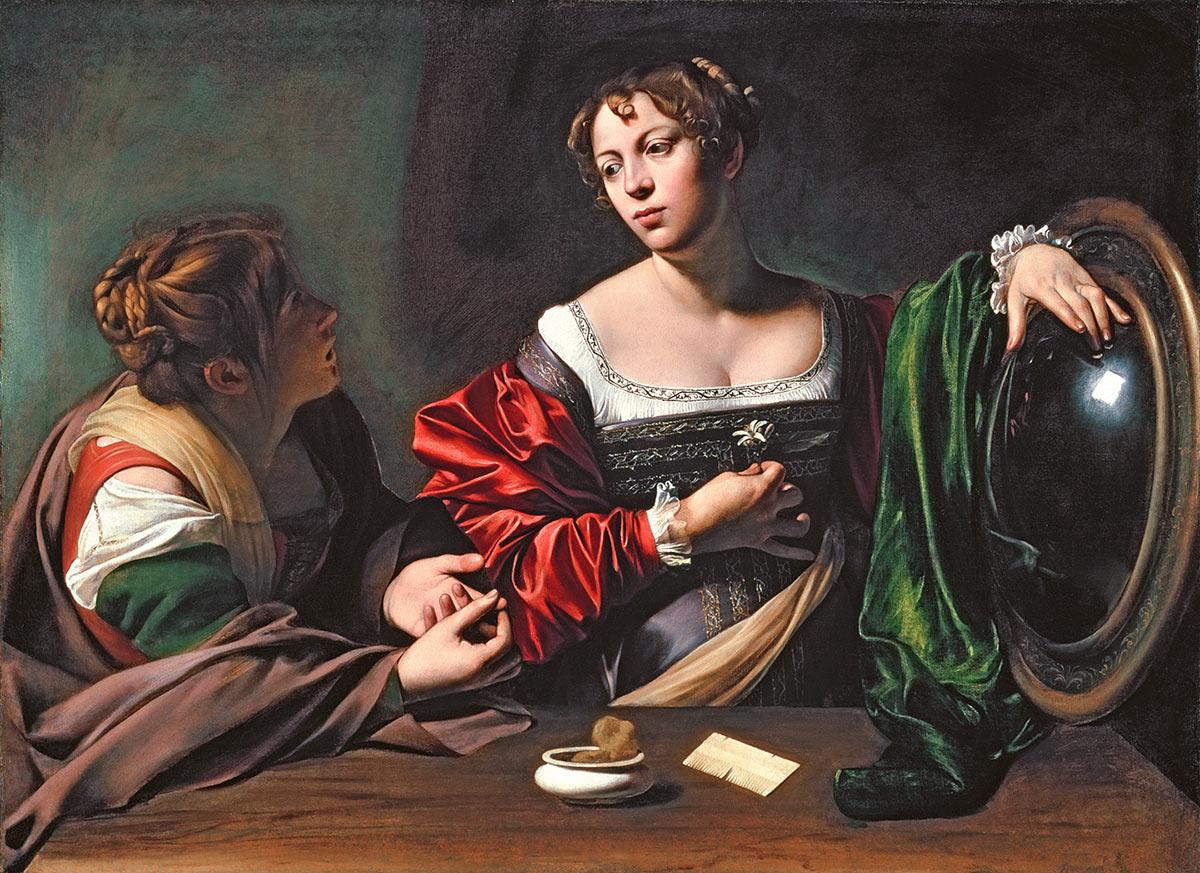
Where Caravaggio used stark naturalism, Djokovic redefined the geometry of tennis.
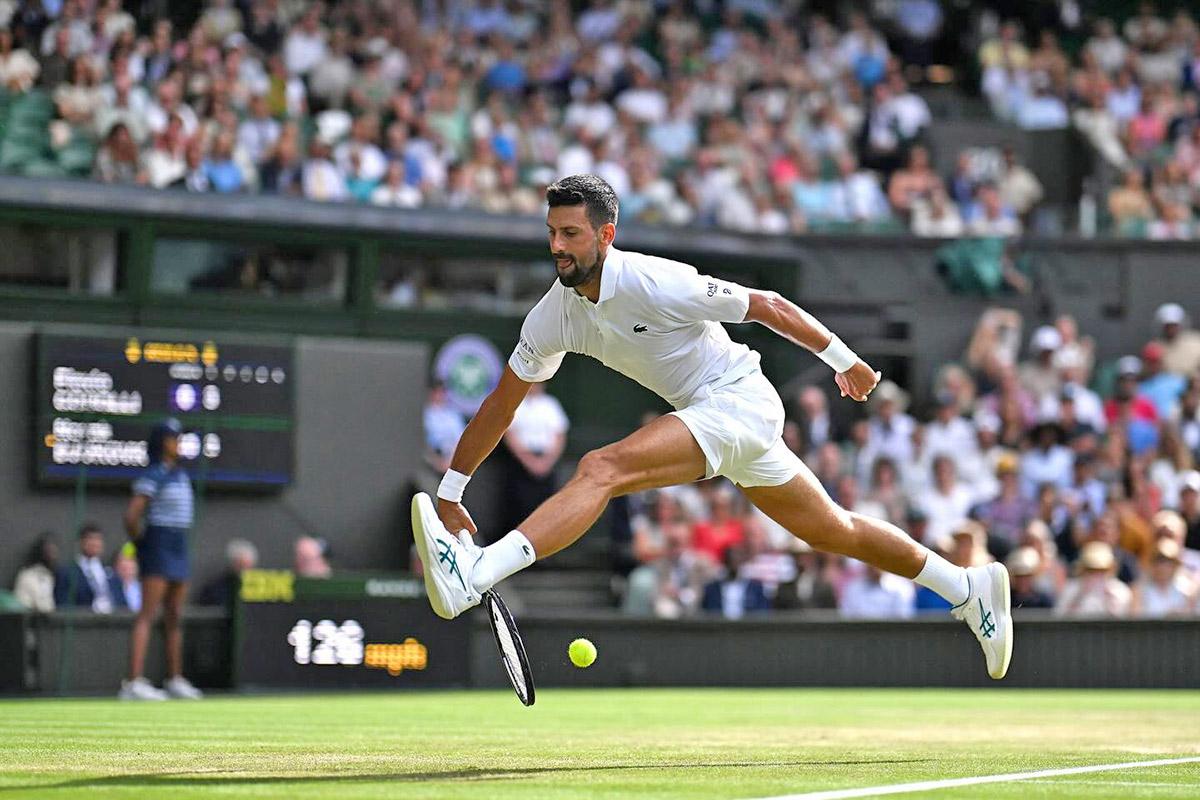
His return of serve -- arguably the best ever -- was his signature stroke. His movements defied logic: Low squats, sliding on courts, retrieving the impossible, turning defence into instant offence.
Caravaggio collapsed the distance between viewer and subject. His figures seemed to leap from the canvas.
Djokovic did something similar -- he shrank time and space. His presence on the court made opponents feel as if the lines had closed in and the net had risen.
Both operated within rigid boundaries -- a canvas, a court -- but twisted those confines into new perspectives.
Playing Against the Crowd
Caravaggio's realism scandalised his peers. Critics called it vulgar, indecorous.
He painted sacred stories in seedy settings, making the divine seem disturbingly human.
Off the canvas, he was no angel either -- frequent brawls, arrests, even murder. He painted like he lived: On the edge.
Djokovic, too, was never the crowd's darling. He was the third act in a two-man play.
Fans rooted against him, headlines questioned his character, and commentators doubted his place in the pantheon.
But like Caravaggio, he didn't respond with deference -- he responded with defiance.
He turned boos into fuel, pressure into poise, and rallies into sermons. Neither played to the gallery.
They played to the truth they saw -- and trusted that, one day, their work would speak louder than the noise against it.
Masterpieces and Milestones
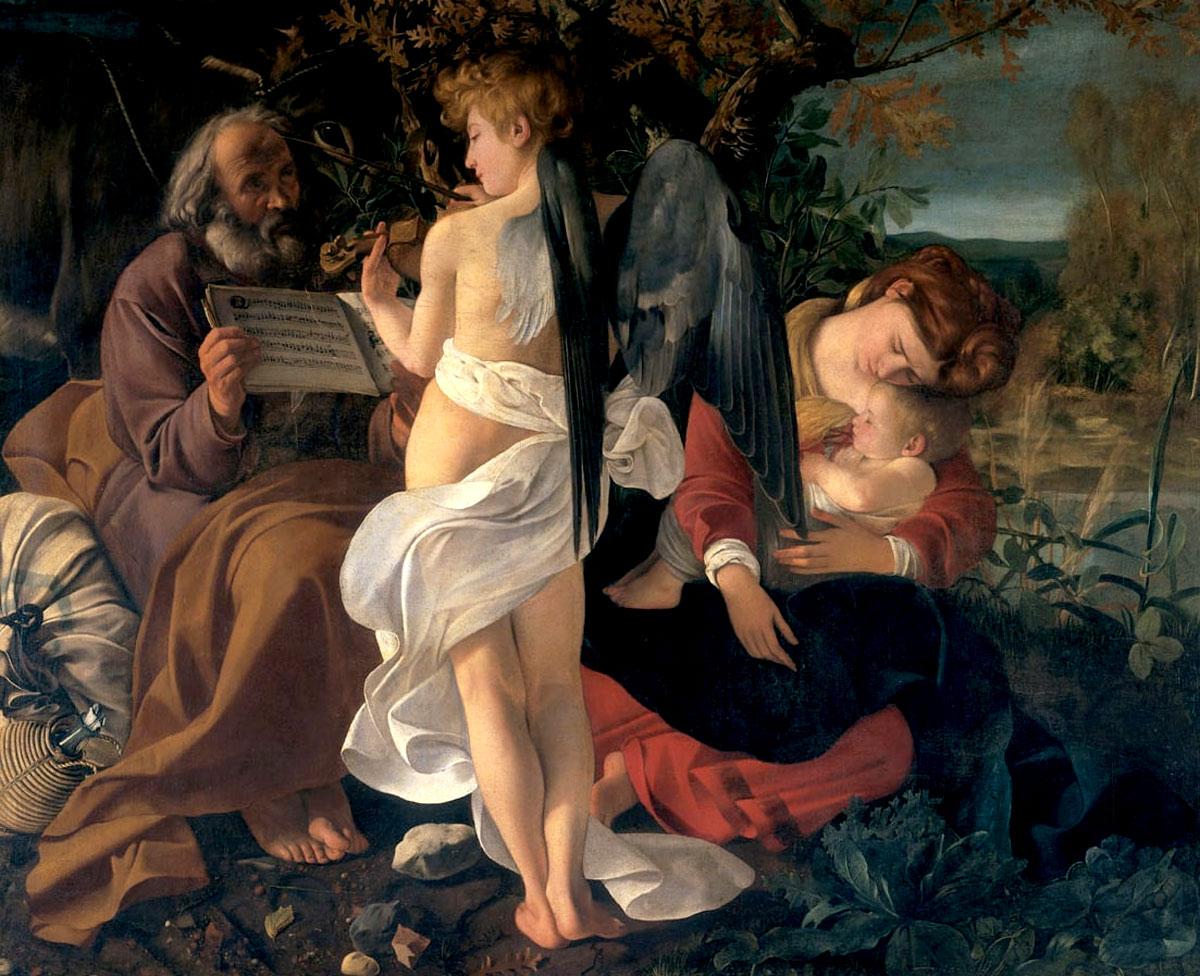
Initially controversial, Caravaggio's influence soon became contagious. His chiaroscuro lit the path for Baroque art.
Rubens, Rembrandt, and countless others borrowed from his palette.
Caravaggio defied the gentle elegance of Renaissance art by dragging divinity into the streets and taverns.
In The Calling of Saint Matthew, Judith Beheading Holofernes, and others, he introduced an unflinching realism. His chiaroscuro didn't just create contrast -- it created drama.
Djokovic, too, reshaped his field. He holds more weeks at No. 1 than any player in history.
His 24 Grand Slam titles across all surfaces is bettered by no one. His game -- built on mental strength, flexibility, and precision -- became the new gold standard.
Novak saved multiple match points against Federer in the US Open semifinals in 2010 and 2011, and in the 2019 Wimbledon final.
His win against Nadal in the Australian Open final in 2012 is considered one of the greatest matches in tennis history.
Both turned criticism into legacy -- one brushstroke, one rally at a time.
Brilliance Forged in Fire
Both men were shaped by turbulent beginnings.
Djokovic grew up in war-torn Serbia during the NATO bombings of the 1990s.
He practiced in empty swimming pools, trained amid chaos, and grew resilient in the face of fear.
Growing up amid the brutality and uncertainty of late Renaissance Italy, Caravaggio lost his father and grandfather to the plague early in life.
Violence and instability shadowed his youth. These crucibles forged their intensity.
Djokovic channelled it into methodical mastery. Caravaggio poured it onto canvas -- unfiltered, electric.
Yet their methods diverged sharply and they reached their summits through different routes.
Djokovic is meticulous: Nutrition, meditation, stretching, tactics -- every detail tuned. He plays chess with his body.
Caravaggio was instinctual, raw. He painted directly onto canvas without sketches, working in inspired bursts.
Redefining Legacy
Eventually, resistance gave way to reverence. Caravaggio's radical style became foundational to Western art.
Rembrandt and others didn't just admire him -- they studied him.
Djokovic now stands statistically atop the men's game. He has beaten every rival on every stage, and done it longer than anyone imagined possible.
Beyond titles, he has redefined dominance. And he has graciously encouraged, supported -- and respected -- those much younger than him.
Both rewrote the playbook. Both left no choice but to acknowledge their brilliance.
Final Set, Final Frame
Caravaggio and Djokovic each claimed space where none was offered. They served aces while being jeered. They painted masterpieces when the canvas seemed full.
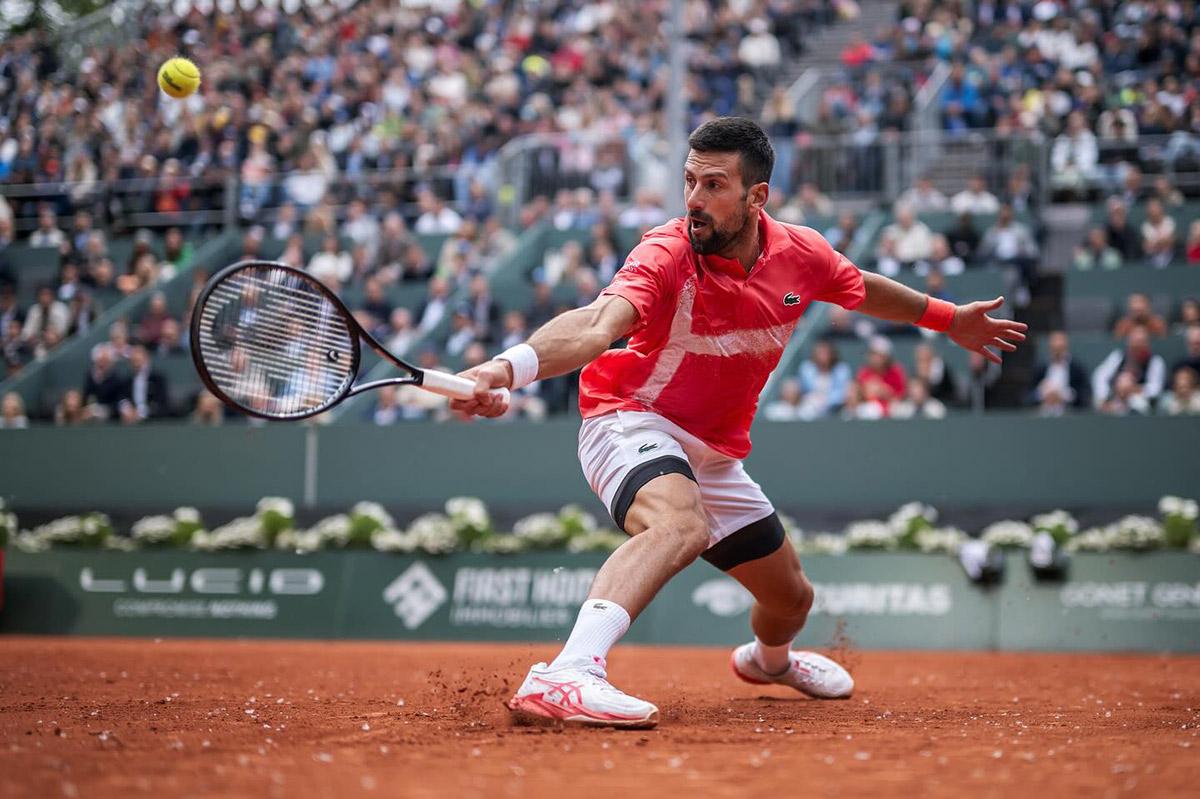
Djokovic's cross-court returns are as unmistakable as Caravaggio's lighting. Both are technical marvels infused with emotional force.
Both emerged from shadows -- of war, loss, genius -- and reshaped the light.
Whether oil on canvas or sweat on grass, the greatest don’t just play the game -- they change its very dimensions.
Caravaggio's brush shattered conventions of beauty and piety. Djokovic's return-of-serve redrew the physics of the court.
Both of them are more than masters of their medium -- they are emblematic of how greatness is often forged in resistance.
This is the path of all true pioneers: Those who walk into spaces ruled by tradition, face doubt, and reshape what excellence looks like.
Legends like these who challenge the frame are the ones that move the game forward for everyone.
Anurag Chatrath is an alumnus of IIM Ahmedabad with global experience in both the corporate and social sectors. He has led grassroots enterprises focused on livelihoods and sustainability and also consults with a tech start-up.
A passionate traveller with an insatiable curiosity, Anurag has travelled to over 80 countries, endlessly intrigued by the vibrant differences -- and commonalities -- that connect cultures and peoples across the world. He also holds a master’s in creative writing, though the results of that pursuit remain largely under wraps. He can be reached on anurag.chatrath@gmail.com
Photographs curated by Manisha Kotian/Rediff
Feature Presentation: Rajesh Alva/Rediff








 © 2025