
'Life in India is better only for those who have reservations.'
Phoolchand Somanshi, 71, stepped off the train from Beed in Marathwada at the Chhatrapati Shivaji Maharaj Terminus in Mumbai, eyes wide with wonder and heart brimming with hope.
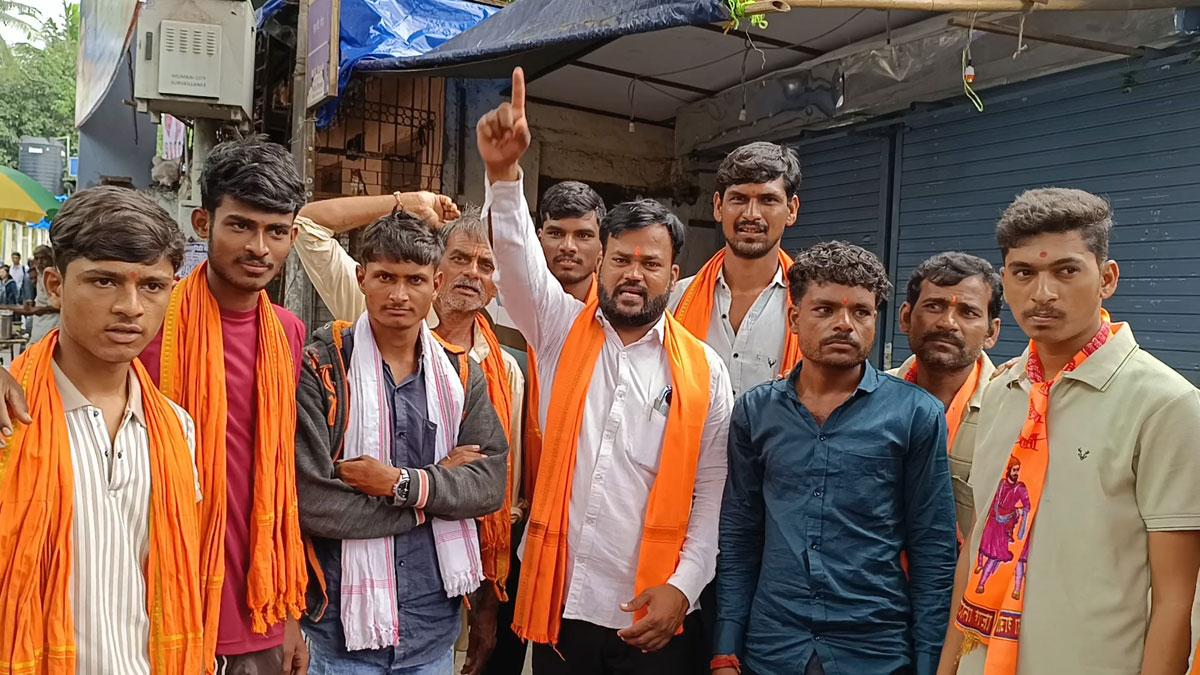
Drawn by tales of fortune and fame, he arrived in Mumbai, hopeful of making a fortune in the future.
Not for himself but for his 19-year-old grandson 'Barkya' (small one), back home in Beed.
And all he wants today, like the hundreds of people like him who arrived at Azad Maidan with Maratha leader Manoj Jarange Patil, is reservations for his community.
Patil is on an indefinite fast at Azad Maidan and has given up on food and water to press his demand for reservations for the Maratha community.
"Life in India is better only for those who have reservations," says Somanshi. "They have stable government jobs and guaranteed cheap education. I could never get this in life."
"I saw people of lesser castes progressing in life because of jobs while I have been reduced to penury because of farming which does not give enough yield."
"Now, my fight is for my grandson. Marathas must get reservations and only then I will leave Mumbai. The government has to accept our demands," Somanshi adds.
Marathas account for anywhere between 28 and 33 percent of Maharashtra's population and are mostly peasants or landholding farmers.
Historically, Marathas have been identified as a warrior caste with large landholdings.
However, over the years, due to land fragmentation among joint families, agrarian distress, unemployment and lack of educational opportunities, many Marathas have faced social and economic backwardness.
Asked what he will do if the government does not agree to the demand considering that the Maratha quota issue is with the courts, Somanshi says, "Today is the fourth day and if the government of Maharashtra does not budge, hundreds of other Marathas are waiting in villages to arrive in Mumbai to press our demand."
Somanshi has joined the unending tide of dreamers seeking reservations for the Maratha community in a city which promises everything but guarantees nothing.
"We want a guarantee this time. Marathas have been fooled for long enough on reservations by the Mahayuti alliance government of Maharashtra," says Rahul Khodse, a farmer who is also from Beed.
The demand for Maratha reservation remains a politically charged and emotionally sensitive issue in Maharashtra for over a decade.
SEE: Pro-Maratha rallyists voice their demand for reservations
Despite repeated assurances, including a major promise by the then Congress-Nationalist Congress Party government in 2014, the issue continues to remain unresolved due to a combination of legal hurdles, administrative lapses, and political shifts.
In November 2018, Devendra Fadnavis's Bharatiya Janata Party government passed the Socially and Educationally Backward Classes (SEBC) Act, granting 16 percent reservation for Marathas on the M G Gaikwad commission's recommendations.
The commission stated that Marathas were socially and economically backward.
However, in May 2021, the Supreme Court struck down the Maratha quota, ruling that Marathas are not socially and educationally backward enough to warrant separate reservations.
The Supreme Court also reinforced that only the President can identify SEBCs for reservations under the 102nd Constitutional Amendment (external link).
The apex court also cited the 50 percent cap on total reservation it had set in 1992 in its Indira Sawhney judgment
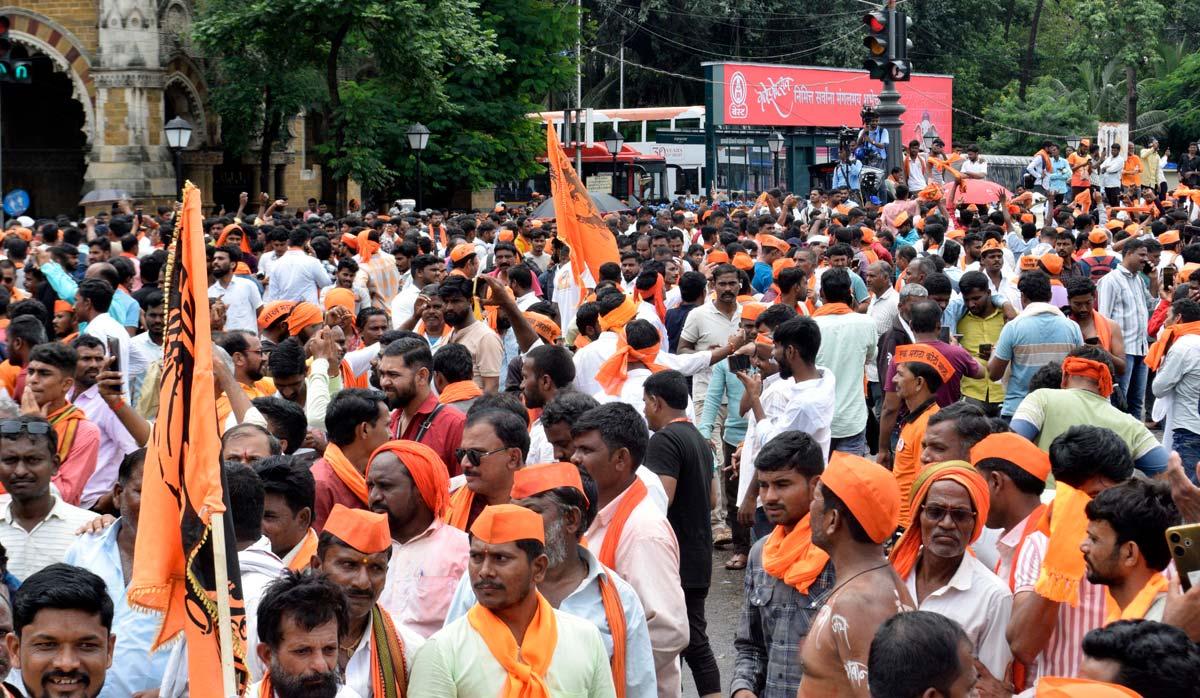
The Maratha reservation granted by the Maharashtra government had raised the reservation ceiling to 64 percent in education and 65 percent in jobs, violating the Supreme Court order.
Successive governments, including the Uddhav Thackeray-led Maha Vikas Aghadi government and Eknath Shinde's government that followed, formed various committees and legal strategies to bypass the court verdict, including pushing for Marathas to be identified under the OBC category.
However, legal complexities and opposition from existing OBC groups who fear a depletion in their quota, created further complications.
As of now, the issue is caught in a legal and Constitutional tangle, with no clear resolution in sight, leaving large sections of the Maratha community feeling both betrayed and politically mobilised.
It looks like it is going to be a long wait for Barkya in Beed and a long haul for his grandfather Somanshi in the city of dreams.









 © 2025