
Mohan Bhagwat's 'retirement at age 75' comment lands just as he and Modi near that mark -- sparking whispers of retirement, rifts, and reshuffles.
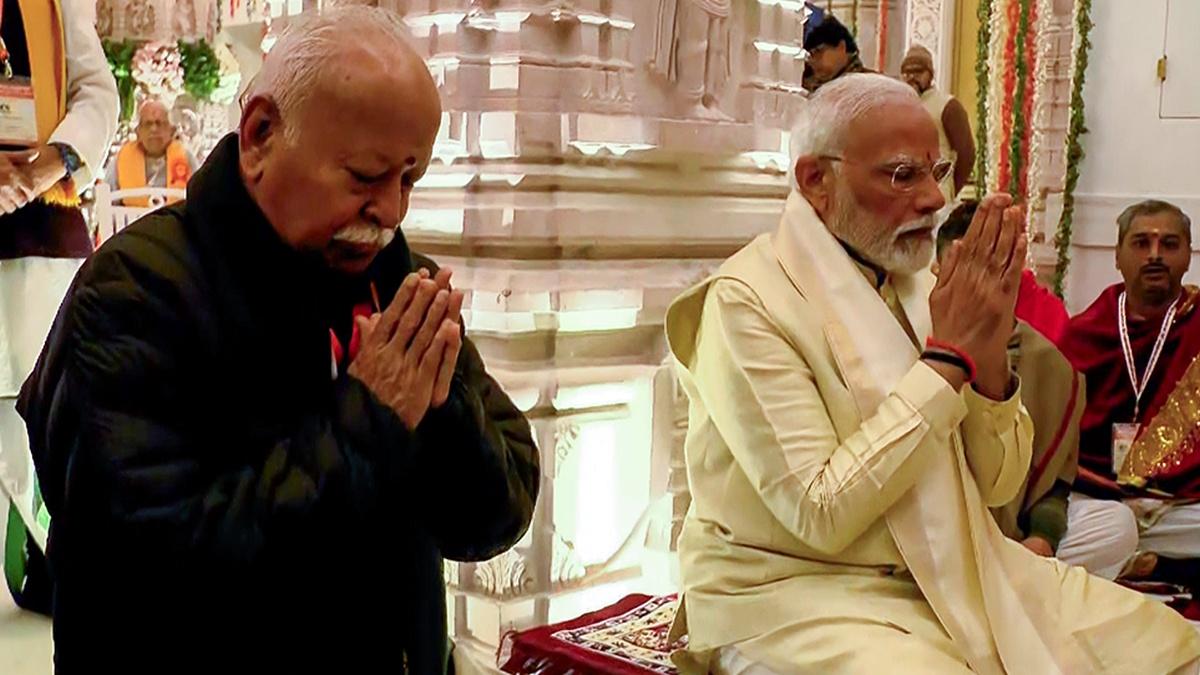
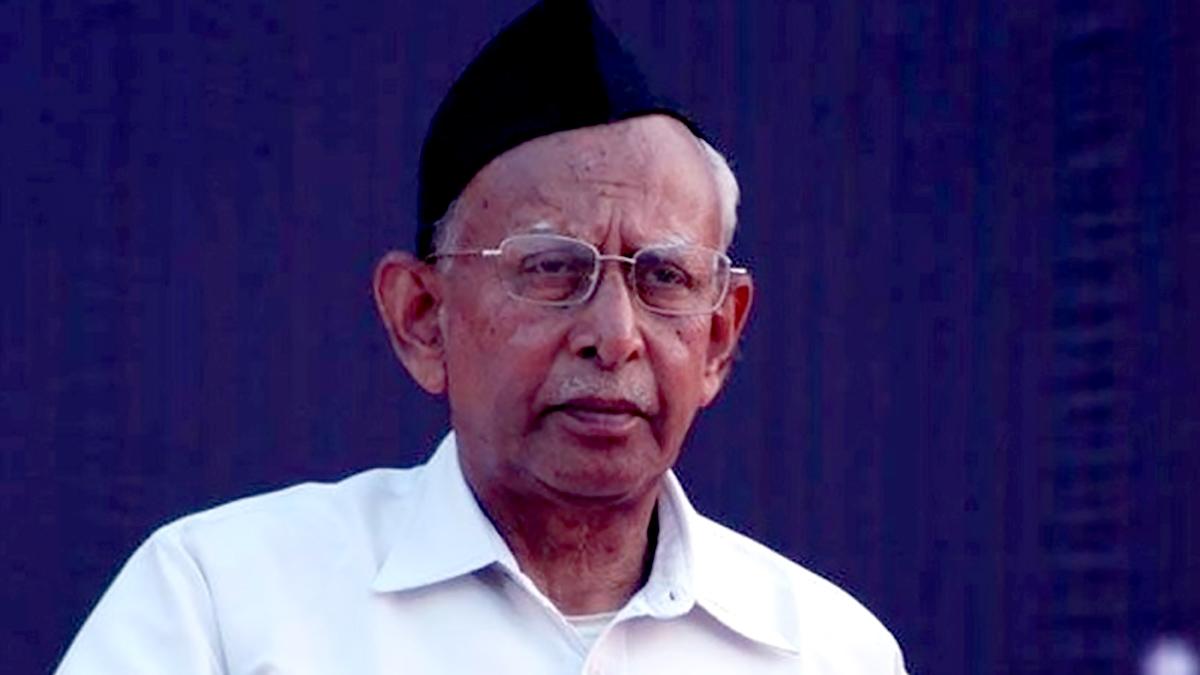
Rashtriya Swayamsevak Sangh Sarsanghchalak Mohan Bhagwat's recent remark about retiring at age 75 have sparked intense political debate, particularly as both Prime Minister Narendra Modi and the RSS chief approach this milestone in September.
The comment, delivered during a address in Nagpur on June 11, has reignited discussions about age limit in Indian politics and the RSS' role in shaping such conventions.
Bhagwat noted that Modi 'will turn 75 on 17 September 2025' and added, 'But the prime minister can also tell the Sarsanghchalak that he too will turn 75 on September 11, 2025.'
The RSS Leadership Legacy

The Rashtriya Swayamsevak Sangh, established in 1925, has had only six Sarsanghchalaks in its nearly century-long existence. The position is decided through nomination by the predecessor, and the Sarsanghchalak's orders are supreme in the RSS.
Mohan Bhagwat has served as the Sarsanghchalak since March 2009, making him the third longest-serving chief after Madhav Sadashiv 'Guru' Golwalkar (33 years between 1940 and 1973) and Madhukar Dattatreya 'Balasaheb' Deoras (21 years, between 1973 and 1994).
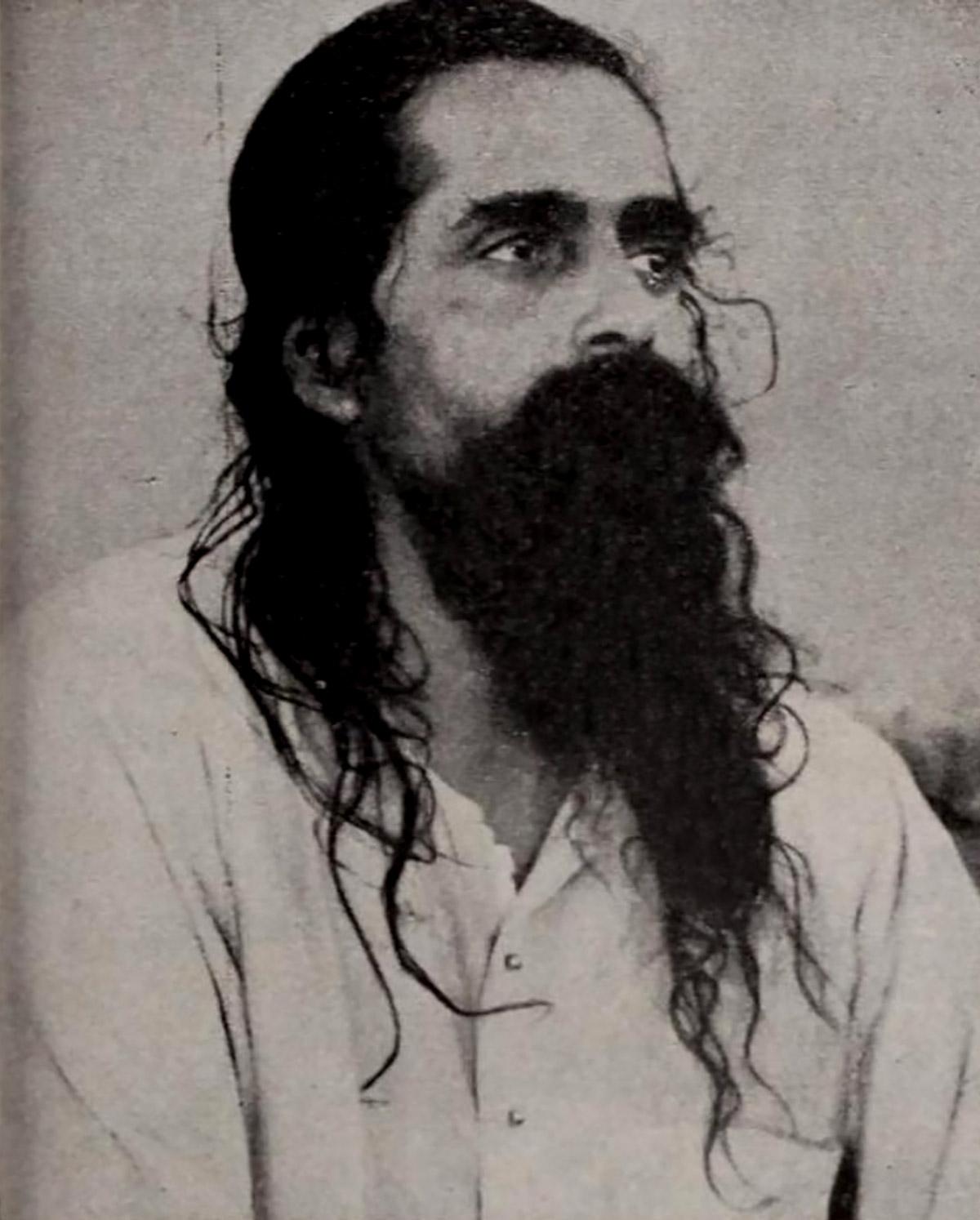
The RSS leadership structure has traditionally been characterised by long tenures and succession through internal selection rather than democratic process. The RSS presents itself as a cultural, not a political, organisation that nevertheless advocates a Hindu nationalistic agenda, which has given it significant influence over India's political landscape.
RSS Chiefs and Age
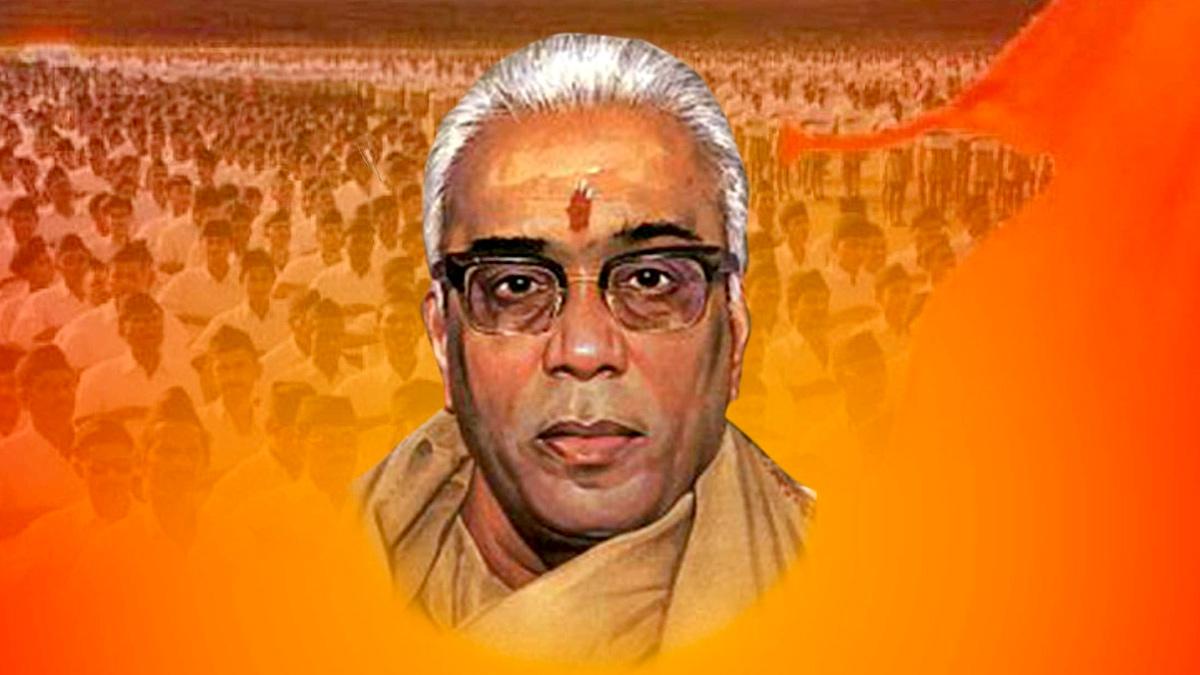
Unlike the BJP's current 75-year retirement benchmark, the RSS has not historically enforced strict age limits for its Sarsanghchalaks. The organisation's leadership transitions have typically occurred due to natural succession or death rather than pre-determined retirement ages. This approach has allowed for institutional continuity but has also meant that chiefs have served well into their advanced years.
The current debate gains particular relevance given that Mohan Bhagwat was born on September 11, 1950, making him the same age as Narendra Modi, who was born six days later, on September 17, 1950.
This has added a layer of complexity to the ongoing discussion about retirement norms.
The Constitutional and Practical Dimensions
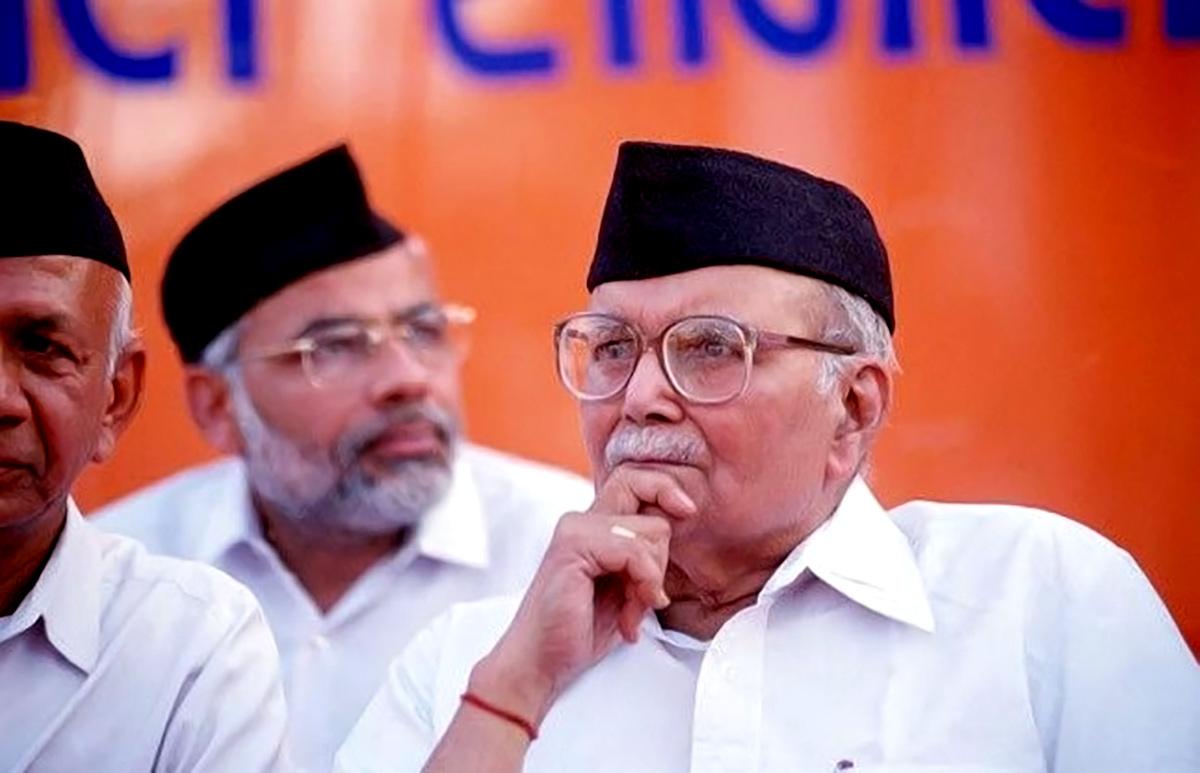
The debate also touches on broader questions about age limits in democratic governance. BJP leaders have pointed out that the Constitution does not include any retirement provision for political leaders, citing Atal Bihari Vajpayee as an example of leaders who served effectively beyond conventional retirement ages.
Union Home Minister Amit Shah told The Week magazine in 2019 that 'No one above 75 has been given a position in the BJP', though this statement now faces scrutiny given the current circumstances.
Organisational Dynamics and Future Implications
The RSS' influence on BJP politics extends beyond mere ideological guidance. As the BJP's parent organisation, the RSS has historically played a role in key political decisions, including leadership selections.
The RSS is the leader of a large body of right wing organisations called the Sangh Parivar, which has developed a presence in all facets of Indian society and includes the BJP.
The current discussion about the 75-year rule occurs against the backdrop of speculation about succession planning within both the RSS and the BJP. With Modi turning 75, speculation grows about succession plans -- and the Sangh's role in them.
Looking Ahead
As September 2025 approaches, the question of whether the 75-year retirement norm will be consistently applied across the RSS-BJP ecosystem remains open. The debate reflects broader tensions between organisational traditions, democratic principles, and practical political considerations.
Senior RSS sources have downplayed the significance of Bhagwat's remarks, suggesting that the organisation may not view the 75-year benchmark as a strict rule for its own leadership. However, the political implications of this stance, particularly given the RSS' influence over BJP politics, continue to generate discussion.
The resolution of this question will likely have significant implications for India's political landscape, potentially setting precedents for how age-related transitions are managed in the country's largest political organisation and its ideological parent body.
As both leaders approach this milestone, their decisions will undoubtedly influence how future generations of political leaders approach the question of retirement and succession in Indian politics.
Photograph curated by Manisha Kotian/Rediff







 © 2025