
This is important because he is to be seen as a sure winner before criss-crossing the state to campaign for candidates of the party or an alliance, highlights N Sathiya Moorthy.
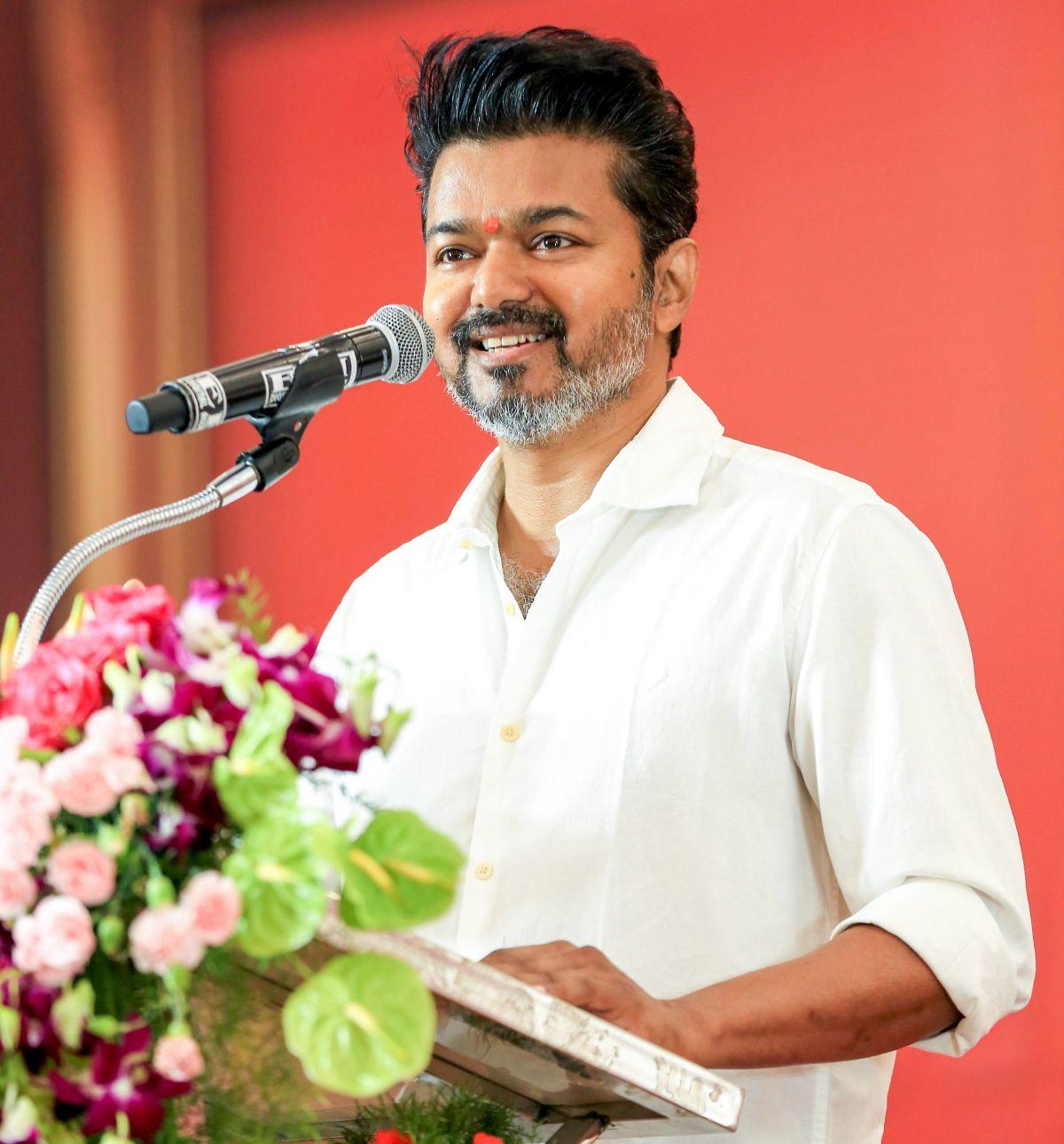
It may surprise many. Yet, for a chief ministerial aspirant in next year's assembly elections in Tamil Nadu, toddler Tamizhaga Vettri Kazhagam's actor-founder Vijay is yet to identify a 'safe seat' for himself.
This is important because he is to be seen as a sure winner before criss-crossing the state to campaign for candidates of the party or an alliance, of which it could still become a partner.
Leaving aside the multiple false starts by superstar Rajinikanth, who bowed out without entering the fray, Vijay is not the first actor to float a political party.
Among those who had launched it, only All India Anna Dravida Munnetra Kazhagam founder M G Ramachandran (MGR) was successful.
Apart from his charisma and unassailable image as a do-gooder and philanthropist, both on-screen and off-screen, MGR was the main crowd-puller and vote-getter for the parent DMK for nearly two decades.
He was both party treasurer and MLA when he broke away in 1972 to launch his own party.
In the years that MGR was in the DMK, his huge fan following had acquired the talents of party cadres and grassroots-level poll managers.
Though he won his first poll, a Lok Sabha bypoll, within months of launching the AIADMK in 1972, he had five full years, until the post-Emergency assembly elections in 1977, to take the party to the last village and hamlet.
No other actor-politician who launched his own party has had these cushions, nor did they possess MGR's charisma and tact.
Thus, thespian Sivaji Ganesan who launched the Tamizhaga Munnetra Munnani, after breaking away from the Congress parent ahead of the post-MGR 1989 assembly polls, drew a blank.
He wound up the party and quit politics at once.
The same cannot be said about Desiya Murpokku Dravida Kazhagam's Vijayakanth, who polled eight per cent vote-share and won a lone seat, in the maiden electoral outing of 2006.
After contesting alone and improving the vote-share dramatically to 10 per cent, Vijayakanth became the Leader of the Opposition in the 234-member assembly, by winning 25 seats in the company of the AIADMK, now under another actor, Jayalalithaa, who returned to power in 2011.
Yet, in the absence of 'staying power', which means more than monetary clout, the DMDK lost out, as the state leader of the BJP-NDA in the historic Lok Sabha elections in 2014.
Two decades down the line, the DMDK is now a poor image of its original self, minus the founder, who is no more.
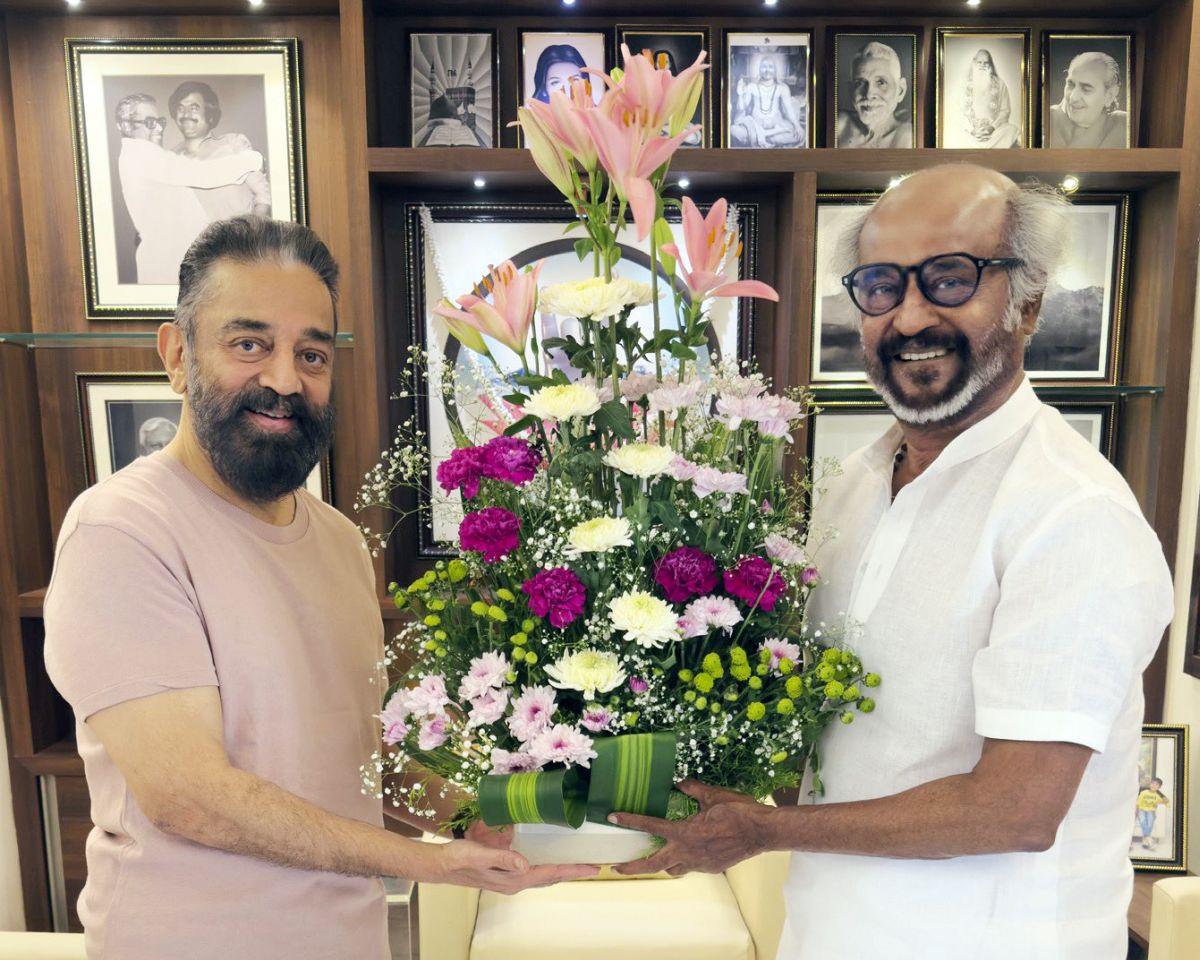
Likewise, actor Kamal Hassan with his Makkal Needhi Maiam (MNM) and Sarath Kumar, founder of the Samathuva Makkal Katchi (SMM) did not go anywhere.
Though Sarath Kumar did win a couple of elections personally, by alternating alliance with the two Dravidian majors, he merged his party with the BJP closer to the Lok Sabha polls last year.
Kamal, who too had launched the MNM to replace the Big Two, is now a Rajya Sabha member as an ally of the ruling DMK.
The MNM drew a blank in the 2021 assembly polls, and Kamal lost his Coimbatore South seat to the BJP's Vanathi Srinivasan, now the national president of the party's women's wing.
Inexplicably, actor-filmmaker Seeman's Naam Tamizhar Katchi (NTK) alone has demonstrated staying power through many elections.
His fiery speeches, originally targeting the pan-Tamil youth, now covers all and sundry, and he remains an eternal anti-Establishment voice both at the national and state levels.
Though the NTK is yet to win any seats to the state assembly or the Lok Sabha, its vote share has grown steadily.
Contesting alone, the party polled 6.58 per cent in the 2021 assembly polls and 4.30 per cent in last year's Lok Sabha polls, even when the party was not backing any prime ministerial candidate.
Seeman put an end to all media speculation about his aligning with other parties, including Vijay's start-up, for next year's assembly elections.
The BJP is believed to have thwarted a strong ally for the TVK by forcing the Opposition AIADMK into a hurried alliance in April this year.
For an infant party that has to keep re-energising the cadres and also take the founder's message to the masses, Vijay is scheduled to hit the campaign trail only in September.
Leave aside the never-say-tired Seeman, even the well-entrenched rivals, the DMK's Chief Minister M K Stalin and AIADMK predecessor Edappadi K Palaniswami, have been in the districts for weeks now.
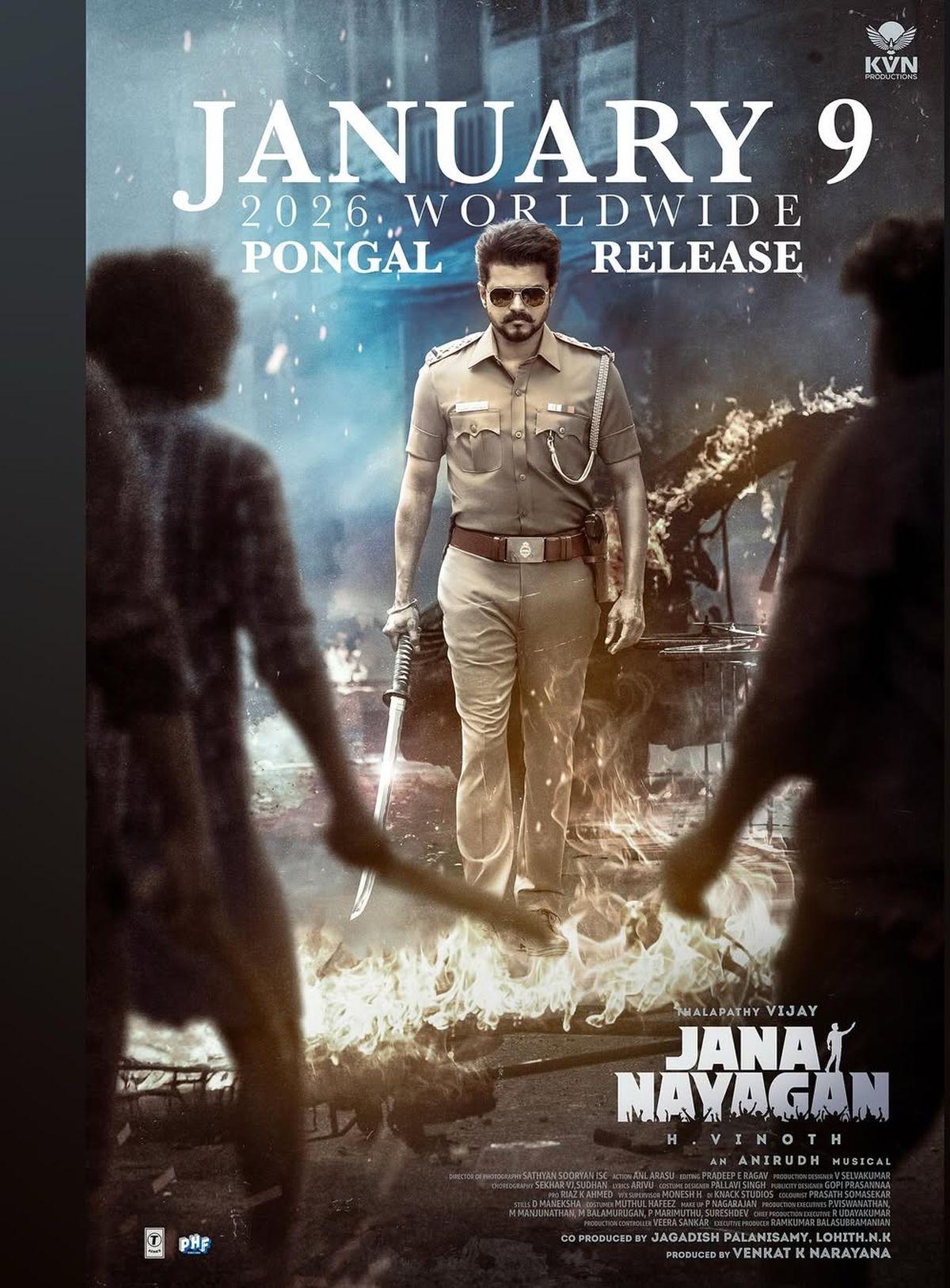
Unwittingly or otherwise, Vijay's fans-turned-cadres have linked the TVK's electoral victory to the box-office success of his next film, Jana Nayagan (People's Hero), due for a delayed release on January 9.
With hopes of more than a week of the festive Pongal holiday crowds in mid-January doing the trick, a huge box-office hit closer to the assembly elections in March-April, can be a game-changer. Or, that is the belief.
No fan is asking the logical, fall-back question, 'What if the film bombs at the box-office?'
Going by the limited pre-release promo thus far, it is one more of Vijay's good cop roles, scripted to suit the raw taste of the millennial youth, including women voters.
It was so in the case of MGR and Vijayakanth's films in their times. It worked both ways.
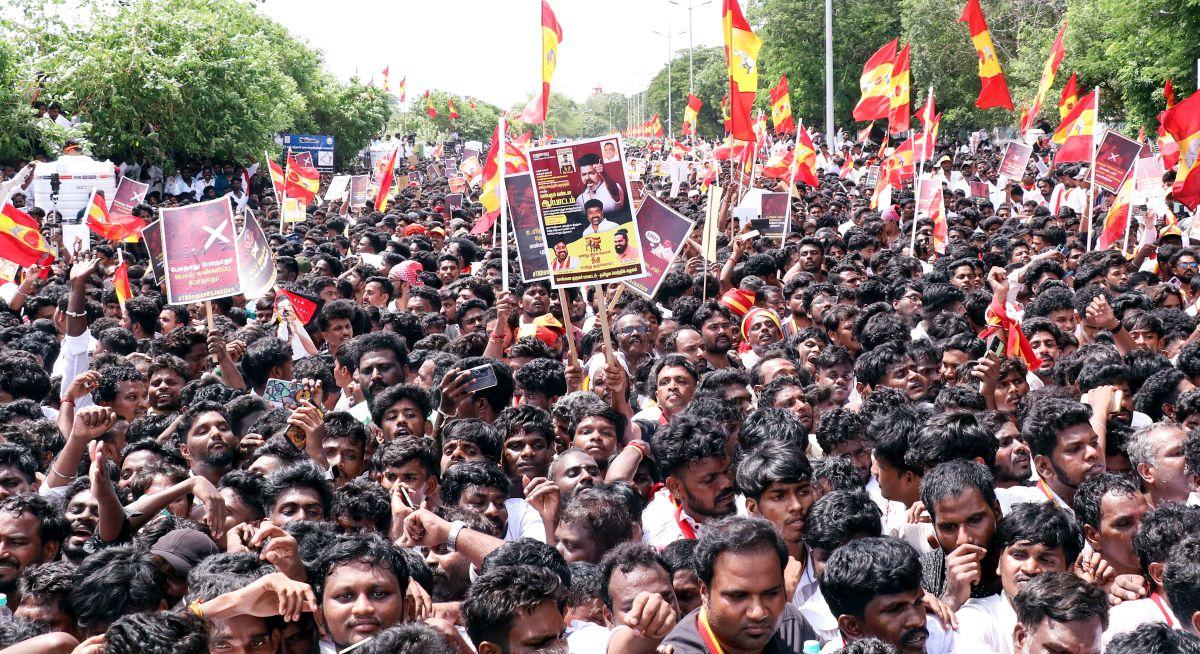
Tamil Nadu has a 10 per cent 'experimental voters' all along, who are not your usual 'swing voters'. This ten per cent votes for one or more new kids on the electoral block, not expecting their favourite to win.
Unknowingly, the likes of Vijayakanth and Seeman drew from this segment. So did the likes of the DMK in the first electoral outing in 1957, the Sivaji-Janaki combine in 1989, and the PMK and the MDMK through the nineties.
Seeman and Kamal Hassan too have drawn their limited vote-share from this camp.
Vijay until now has not proved his electoral wherewithal. His campaign has not commenced for anyone to gauge his voter support, without confusing it with the glamour value any popular film star's public presence, especially political rallies, draws.
Indications of a possible alliance with other parties, smaller than bigger, too, have waned.
Three-time AIADMK chief minister O Panneerselvam, now estranged from the BJP-NDA after electoral defeat last year, and the DMDK's Premalatha Vijayakanth, whom the AIADMK ally ditched for the promised Rajya Sabha seat this year, have been seeking an entry into the DMK combine.
Both leaders separately met Chief Minister Stalin recently to convey their condolences for the death of the latter's half-brother Mu Ka Muthu.
Neither party has a substantial vote bank nor has the DMK alliance enough seats to give them without affecting the existing alliance equations, involving the Congress, the two Communist parties and the eternally restive VCK.
Yet, their presence, with a combined vote-share not exceeding five per cent, much of it concentrated in the southern districts, can prove useful to most, though not all stake-holders in the DMK combine.
Yet, it is for the DMK to take a call.
Like Vijayakanth and Seeman, Vijay too has southern family roots. For reasons best known to them, Vijayakanth and Seeman always contested from outside the region -- yet, their regional roots still stood out.
Vijay is seen as a city boy. In an increasingly urbanised Tamil Nadu, it has its electoral advantages. But there is a huge gap between on-screen appeal and electoral connect.
Both involve communication, but everything from messaging, body language, all are different. Thus far, Vijay has not shown that he can make that difference, that too as quick and fast as required.
Despite the intensity he purportedly imparts to them, Vijay's famous political one-liners, at times contrived, still seem to come from the tip of his lips and not from the depth of his heart.
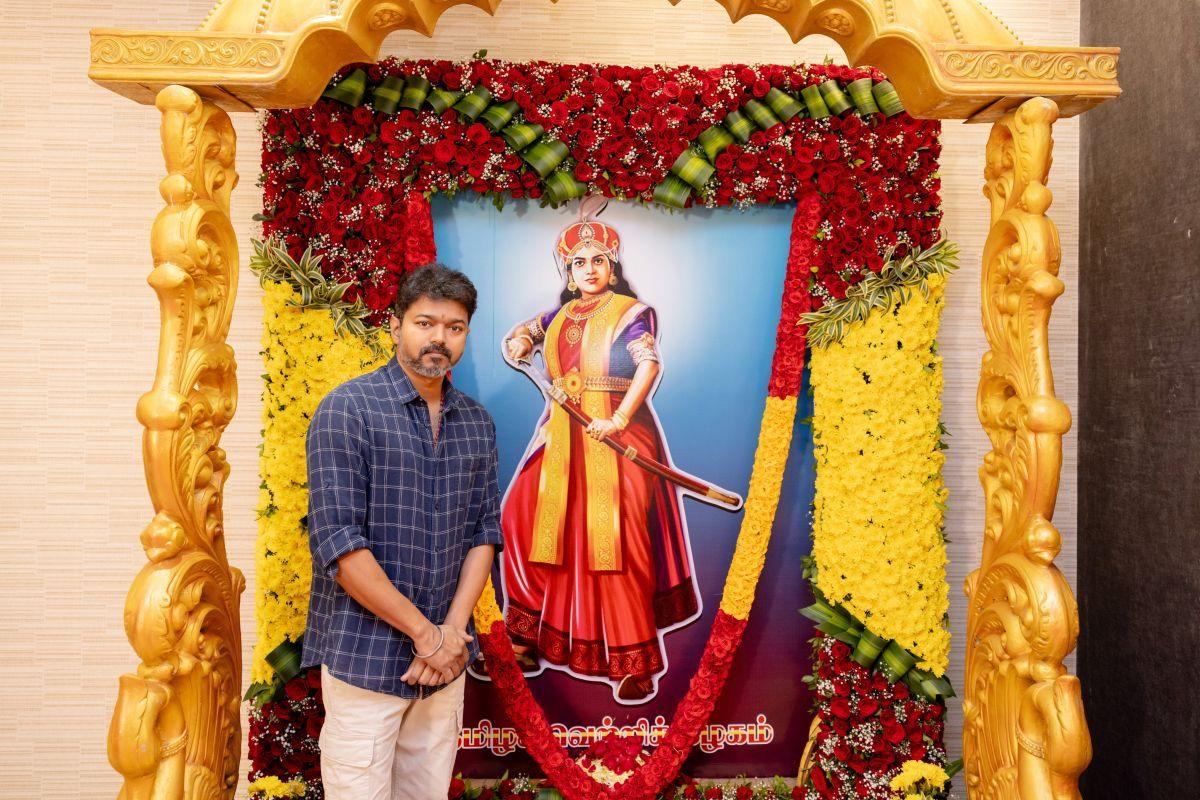
Vijayakanth won two successive elections in 2006 and 2011, respectively, from Vridachalam and Rishivandhiyam, the latter in the company of the more powerful AIADMK.
His luck ran out when he contested the 2016 assembly elections from Ulundurpet, also in the northern region, at the head of a fourth alliance sans the two Dravidian majors and the BJP-NDA.
Seeman contested and lost the 2016 assembly polls from south-eastern coastal town of Cuddalore (7.24 per cent vote-share), followed by northern Thiruvottiyur (24.43 per cent), a Chennai suburb in 2021.
If Seeman has identified a constituency for himself in next year's polls, it is yet to be made public. But the chances of his seeking a home-ground in southern Madurai are not bright.
It's like with the late Vijayakanth, who was always seen as a 'Madurai boy', yet chose the northern region as his personal electoral base.
This flows from the historic filmi fact that outside of Chennai city, the northern districts, once known as the 'NSC region', used to be the highest box-office grosser.
Yes, it was blamed on the police denying permission elsewhere, but Vijay's choice of northern Vikravandi for the TVK's launch rally last year, may have had a hidden message.
The crowd was massive, and the national and state-wide attention it drew became a talking point, more than Vijay's presence and his talking points.
Vijay's father, yesteryear film-maker S A Chandrasekhar, is a Catholic Christian from the fishing village, Thangachimadam, near the temple town of Rameswaram.
His mother, Shoba Chandrasekhar, a lyricist and playback singer, is a Hindu by birth.
Though he has maintained a low profile, Vijay was known to worship at the Velankanni church in southern coastal town of Nagapattinam, as frequently as possible, until he acquired the superstar status and public appearances for personal reasons became problematic.
These identity issues would not have mattered had it not been for the Hindutva social media brigade constantly calling out his Christian name, 'Vijay Joseph', which after a time, he happily began using in the title cards of some of his films.
All of a sudden, the Hindutva brigade has stopped badgering Vijay with his Christian identity.
This, among other circumstances, has given rise to speculation that the TVK is a B-Team of the BJP, to try and divide the one-sided 'minority vote-bank' of the DMK-Congress combine.
The presence of a top income tax official, who quit service to join the TVK recently, has also not helped matters.
Neither the man, nor the party, has denied social media claims that he had led the IT team that raided Vijay four years back.
Incidentally, according to media claims, the fate of the raid outcome and the case, if any, is also not known.
However, as coincidence would have it, later came films like Bigil (2019), in which Vijay plays the father-son duel role.
Of the two, father Rayappan sports Hindu religious marks on his forehead and is always seen in a saffron dhoti/lungi.
He is always accompanied by attire-wise identifiable Hindu and Muslim aides.
The son, Michael, is wearing a cross around his neck. His non-serious scenes, often with heroine Nayanthara, also a Christian, Angel Aasirvatham, at times have a church background, though as comic relief.
It is the same kind of mix that Rajinikanth was offering in his big-budget films like Kabali (2016) and Kaala (2018), when he was publicly talking about entering politics in the 2021 assembly elections.
Once he cried off, the symbolism of identifying with Dalits and Muslims, in his films, too, stopped.
Of course, Rajini had started it all with his all-time favourite, Baashha, way back in 1996.
That was also when his call for the Tamil voters to dump the ruling AIADMK and then chief minister Jayalalithaa had gained traction.
N Sathiya Moorthy, veteran journalist and author, is a Chennai-based policy analyst and political commentator.










 © 2025