
'Bappi Lahiri was looking for a break so he and his father would meet me.'
'I told Director Bhisham Kohli about this promising young boy from Kolkata, and Bappi came over with his harmonium.'
'Bappi played this composition and Bhisham liked it immediately.'
'As we were discussing, I said I would give the words, and that's how I wrote this song.'
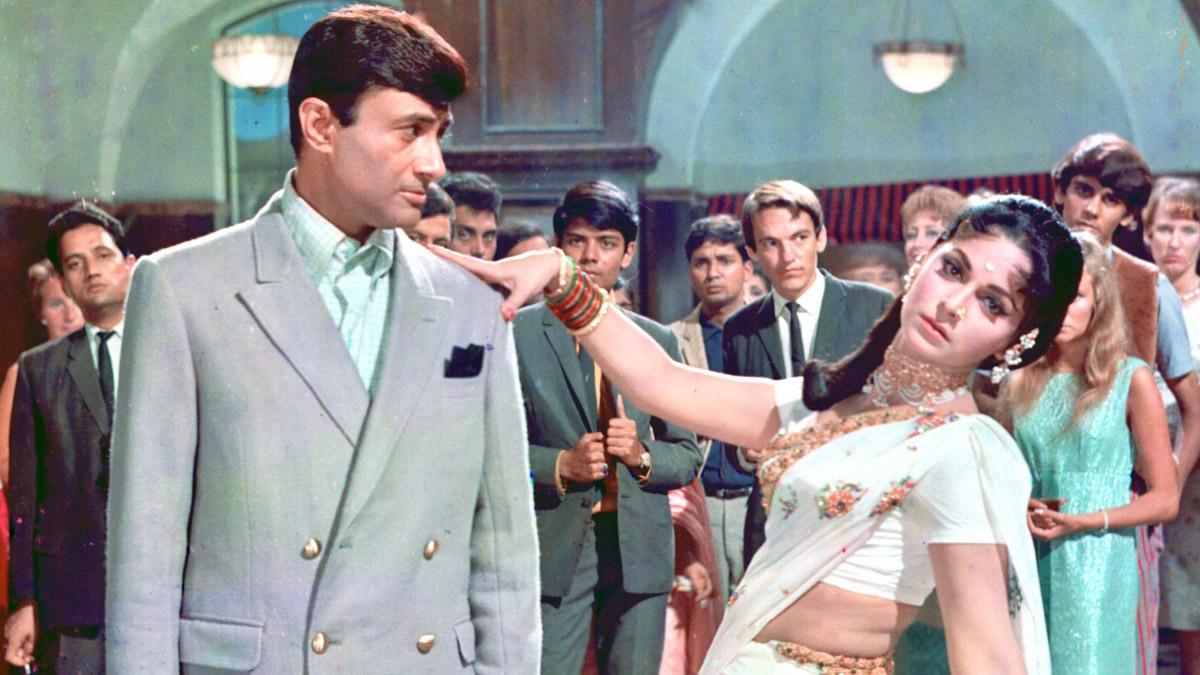
Whether as the head honcho of Reliance Entertainment or the executive producer at Dev Anand's Navketan Films, Amit Khanna has been immersed in film-making for 50 years. Along the way, he was also something of an accidental lyricist.
In fact, his lyrics have inspired the titles of Karan Johar films like Kabhi Khushi Kabhie Gham and Kabhie Alvida Naa Kehna.
Khanna reveals interesting nuggets behind 10 songs and also about his association with mentor Dev Anand.
"In real life, he was like he was on screen -- exuberant and vivacious," Amit Khanna tells Dinesh Raheja. "The moment he came to work, he was always on the bounce, on the go. You could not sense if he was tense or feeling low."
You enjoyed a long association with Dev Anand. Where did you first meet the star?
While interviewing him during Prem Pujari (1970). I was in college in Delhi and would write on cinema. We struck a rapport and he liked me.
After he returned to Mumbai, he wrote me a personal note, which is unusual because he was a top star and I was a college student.
We met again after a couple of months when he was in Delhi. He required some permission for shooting from the I&B ministry, and I arranged that. We stayed in touch and would meet often.
While I was still in college, his production house, Navketan, opened a distribution office in Delhi, and he asked me to oversee it.
The first film we distributed was Gambler (1971).
Was Dev Anand instrumental in your shift to Mumbai?
Yes. When I finished college, he asked me to come to Mumbai.
I flew to Mumbai on an aeroplane ticket sent by Navketan. From the airport, I went straight to Natraj studio where they were shooting for Heera Panna (1973).
I started looking after Navketan.
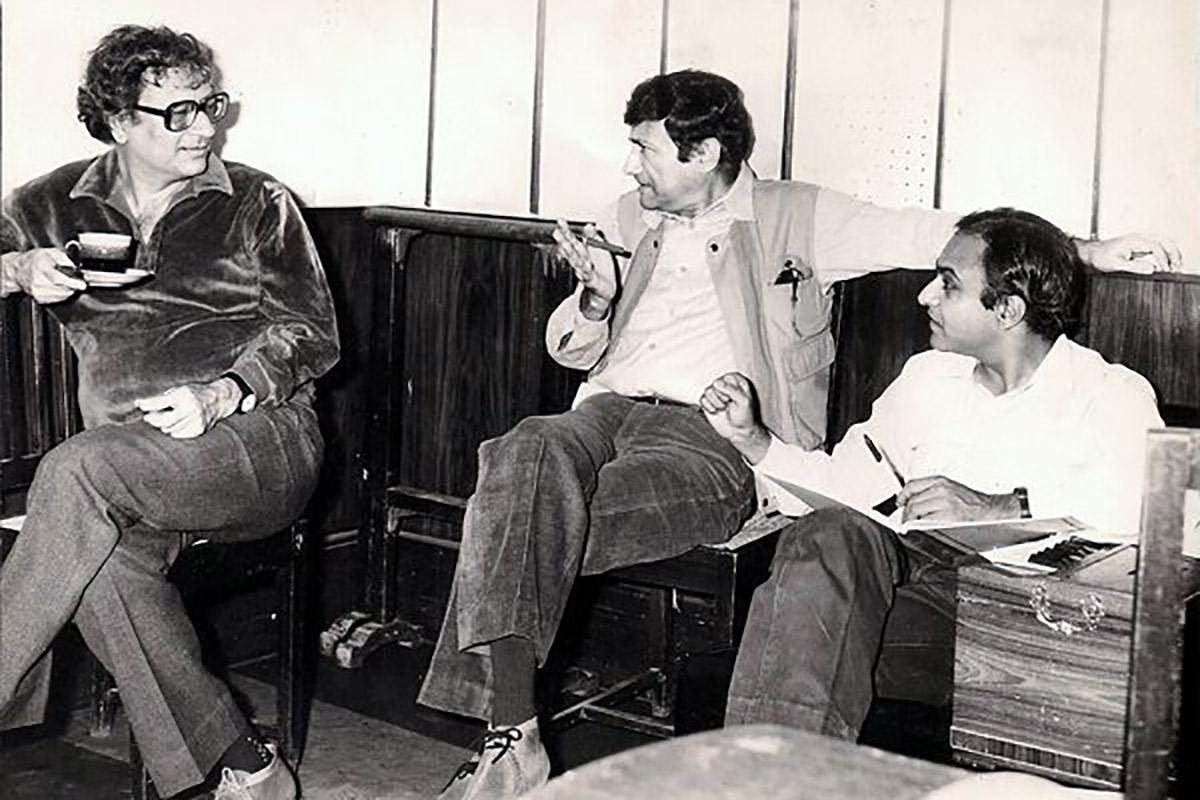
From being the executive producer, how did you get into the creative aspect?
I was also creatively involved. Devsaab would often ask me to improvise dialogue, which I would write on the sets. From selecting the story onwards, I would be involved in every creative aspect.
As a Navketan insider, give us an idea of how Dev Anand was when he was at a creative high.
In real life, he was like he was on screen -- exuberant and vivacious.
The moment he came to work, he was always on the bounce, on the go. You could not sense if he was tense or feeling low.
Why do you think the decline set in?
He was acting in outside films and making his own films. It becomes difficult.
Amit Khanna Reveals Interesting Stories Behind His Top 10 Songs
Chalte Chalte Mere Yeh Geet Yaad Rakhna
Chalte Chalte, 1976
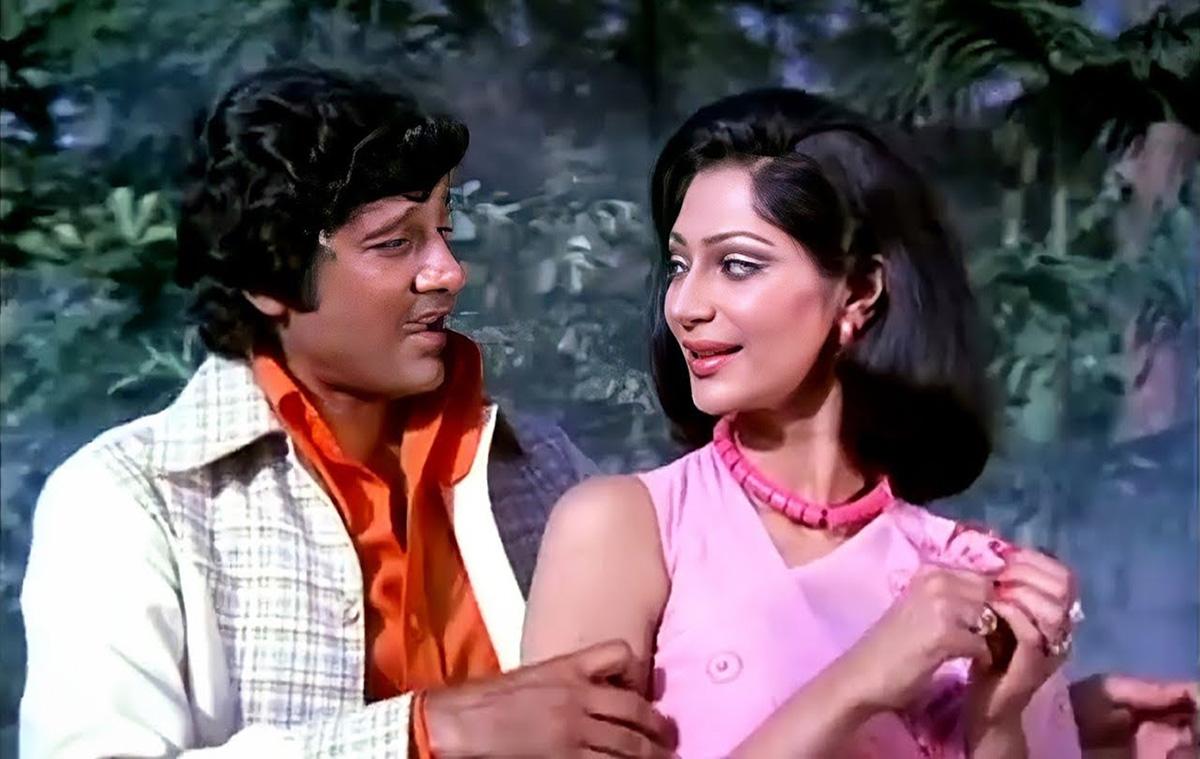
You penned this song 50 years ago, and it's still sung at farewell functions.
Kishore Kumar told me while he was recording the song itself that it would be a huge hit. And it was.
This was also the first song I wrote for a film.
I like the sentiment in your line: Kabhie alvida na kehna -- Partings are not forever. Many of your songs are determinedly optimistic (Hans tu hardam khushiyan ya gham, Kabhi khushi kabhi gham). Is that a theme which fascinates you?
We write according to the situation given to us. Film songs are seldom written first.
Chalte Chalte's lyrics were also written on tune.
Was it Bappi Lahiri who gave you this break into writing lyrics?
Chalte Chalte was made by Devsaab's nephew Bhisham Kohli (also known as Vishal Anand) and he also played the hero. He was a friend of mine.
Originally, the composer was supposed to be R D Burman or Laxmikant-Pyarelal but they were busy.
In those days, Bappi Lahiri was looking for a break so he and his father would meet me in my office. I told Bhisham about this promising young boy from Kolkata, and Bappi came over with his harmonium. Bappi played this composition and Bhisham liked it immediately.
As we were discussing, I said I would give the words, and that's how I wrote this song.
Pal Bhar Mein Yeh Kya Ho Gaya
Swami, 1976
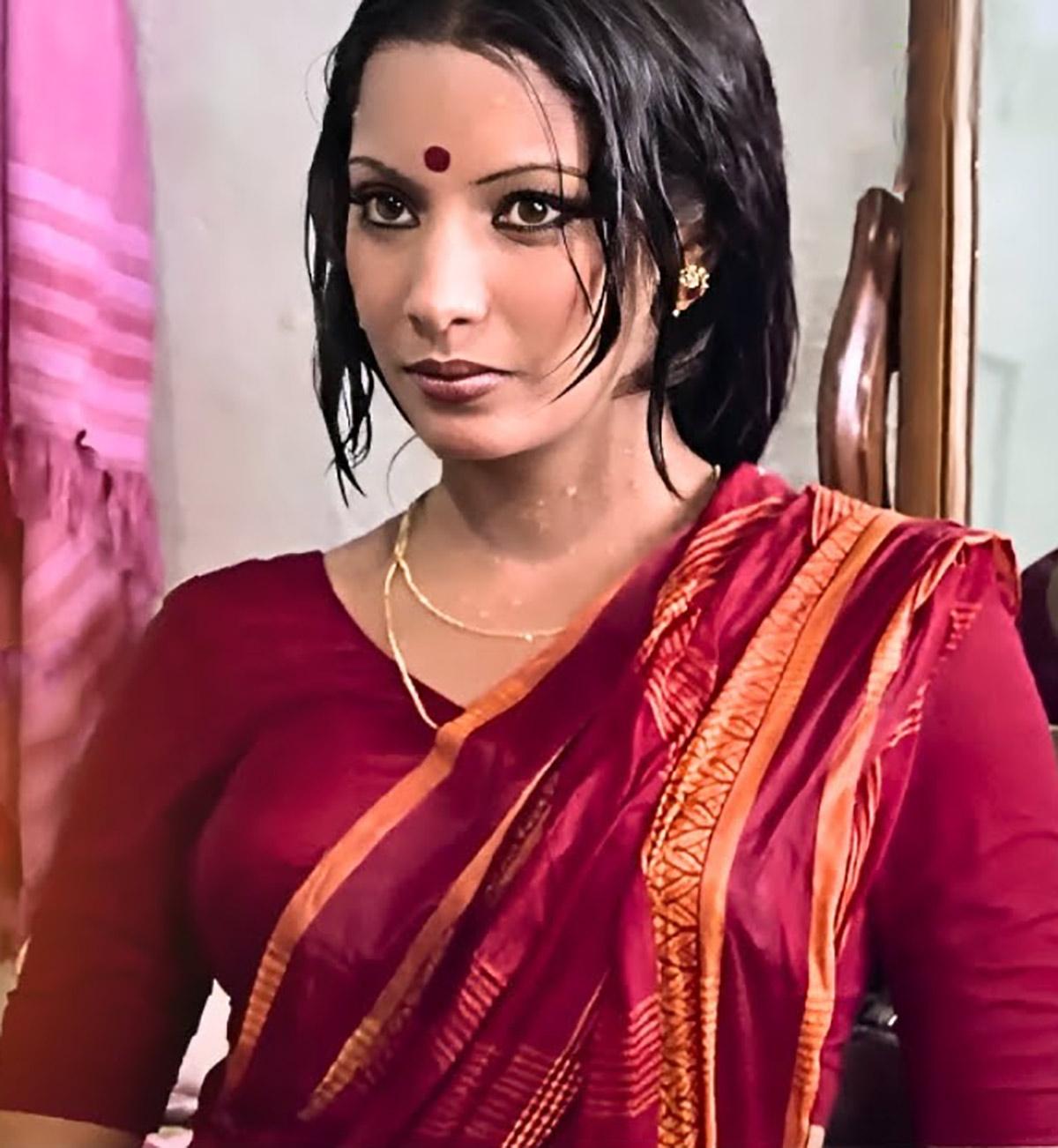
Lata Mangeshkar's vocals and Rajesh Roshan's soft-focus tuning of lines like: Asha ki chhotisi naiyya, leke chali purvaiya make Pal Bhar Mein a memorable rain song.
This is a beautiful composition, very well orchestrated. And Basuda (Chatterji) filmed it well.
In fact, Osho has given a discourse on this song when he was talking on the theme of transience. Vishal Bharadwaj had sent me the cassette of that discourse many years later.
Ka Karoon Sajni Aaye Na Balam
Swami, 1976
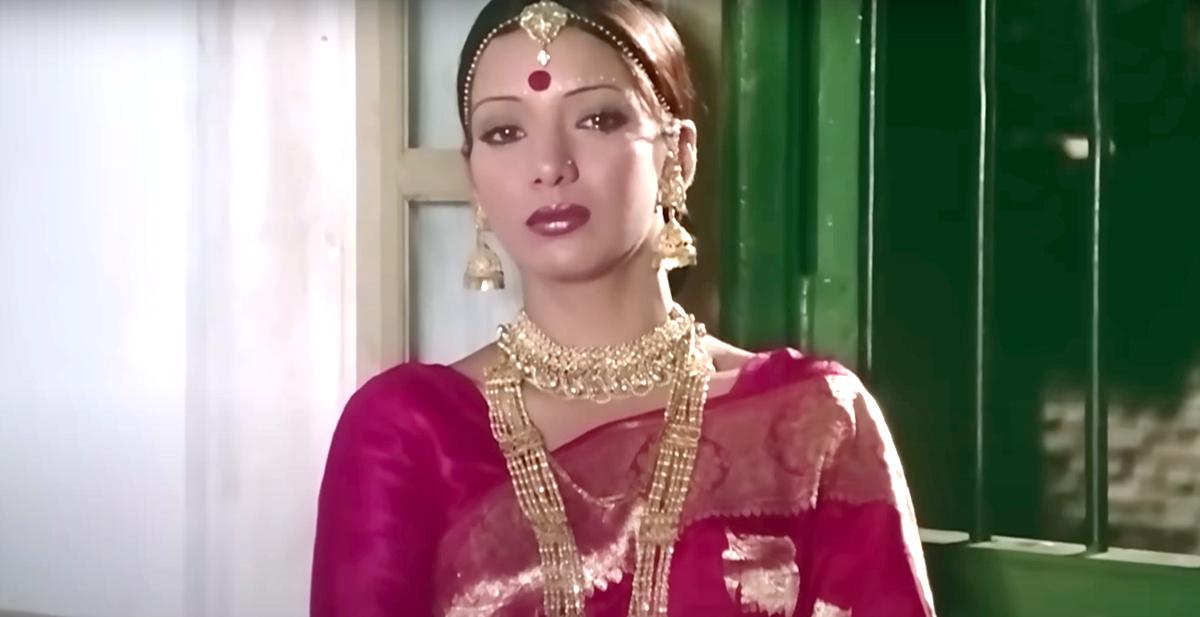
Isn't this based on a popular thumri in Hindustani classical music?
Only the first line, then I wrote the rest.
When the situation was explained to us, Rajesh Roshan came up with a melody with the opening line; and there was no reason to change it.
This is your first film outside the Navketan ambit. How did you get it?
I knew the producer, who was Hemaji's (Malini's) mother, Jaya Chakravarthy.
I also knew Rajesh Roshan, the composer, so he offered it to me.
As a lyricist, I have mainly worked with Bappi and Raju. For me, lyric writing was not my only preoccupation.
I did it out of passion. I did not charge any money for penning songs.
Tu Pee Aur Jee
Des Pardes, 1978
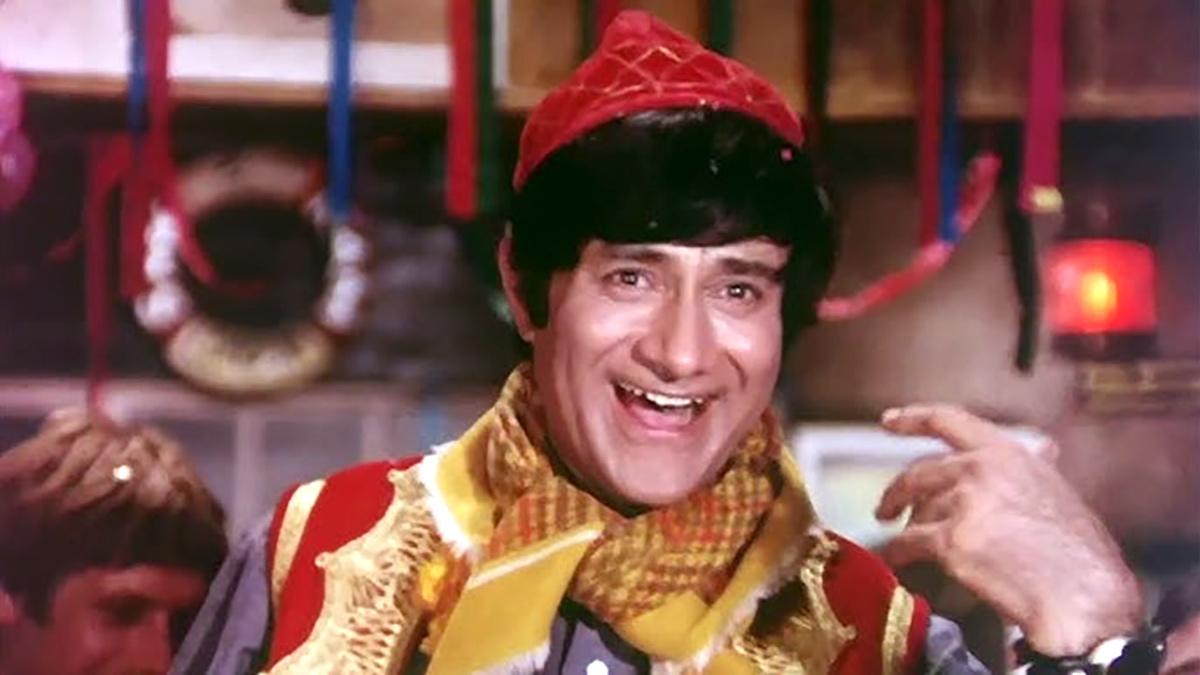
Dev Anand shifted from his regular R D Burman-Anand Bakshi combination to Rajesh Roshan and you with Des Pardes. How did it happen?
I think he wanted to try something new, and I was already part of the whole process.
Dev Anand filmed this boisterous Kishore Kumar number at the opening of his character's pub in London and with debutante Tina Munim inside a barrel of beer.
You wrote for several Tina Munim films.
She happened to be working with those directors, so it was just a coincidence.
Was Dev Anand involved in the song recordings of his films?
He had always been involved right from the time they started Navketan with Afsar (1950). He had a keen musical ear, especially for the films he directed.
Uthe Sab Ke Kadam Tararum Pumpum
Baton Baton Mein, 1979
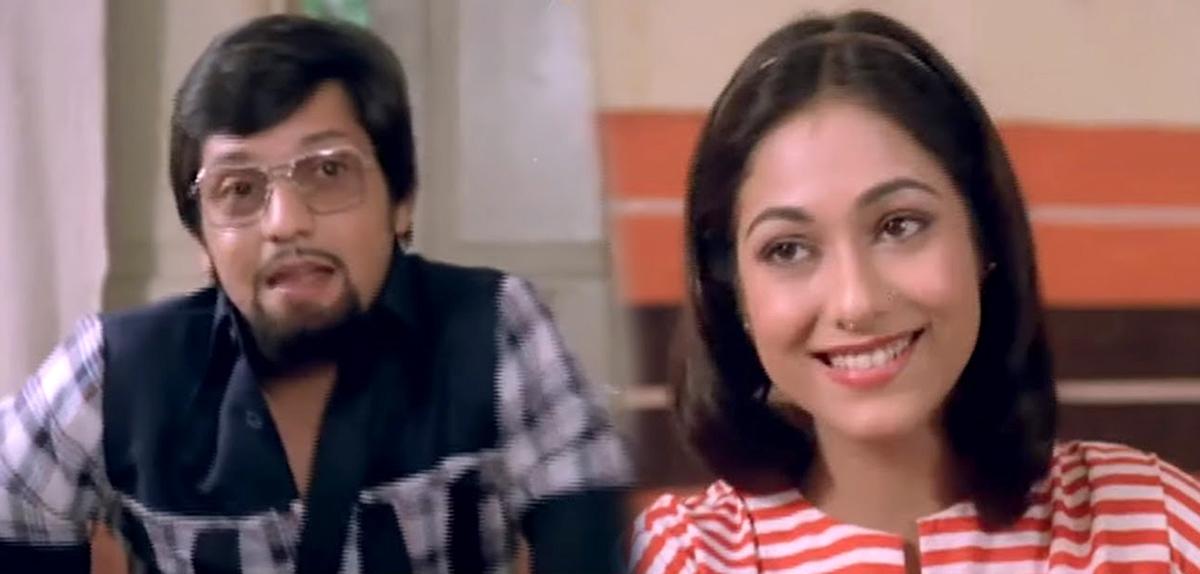
Whose idea was it to have Leela Mishra comically interject into the song with a spoken interlude: Roop naya hai, rang naya hai, Jeene ka toh jaane kahan dhang gaya hai.
It was a decision jointly taken by all of us: Composer Raju, Director Basuda and me. It's a very cute touch.
Wherever I could innovative or do something fresh, I did.
Besides Amol Palekar and Tina Munim, all three artistes who are featured in the song -- Leela Mishra, Pearl Padamsee and Ranjit Chaudhary -- were not people who normally are part of film songs. The song was truly exceptional.
While Lata and Amit Kumar voice the song's Kabhi khushi kabhi gham theme, did Leela Mishra herself warble her portions?
Yes.
Charu Chandra Ki Chanchal Chitwan
Man Pasand, 1980
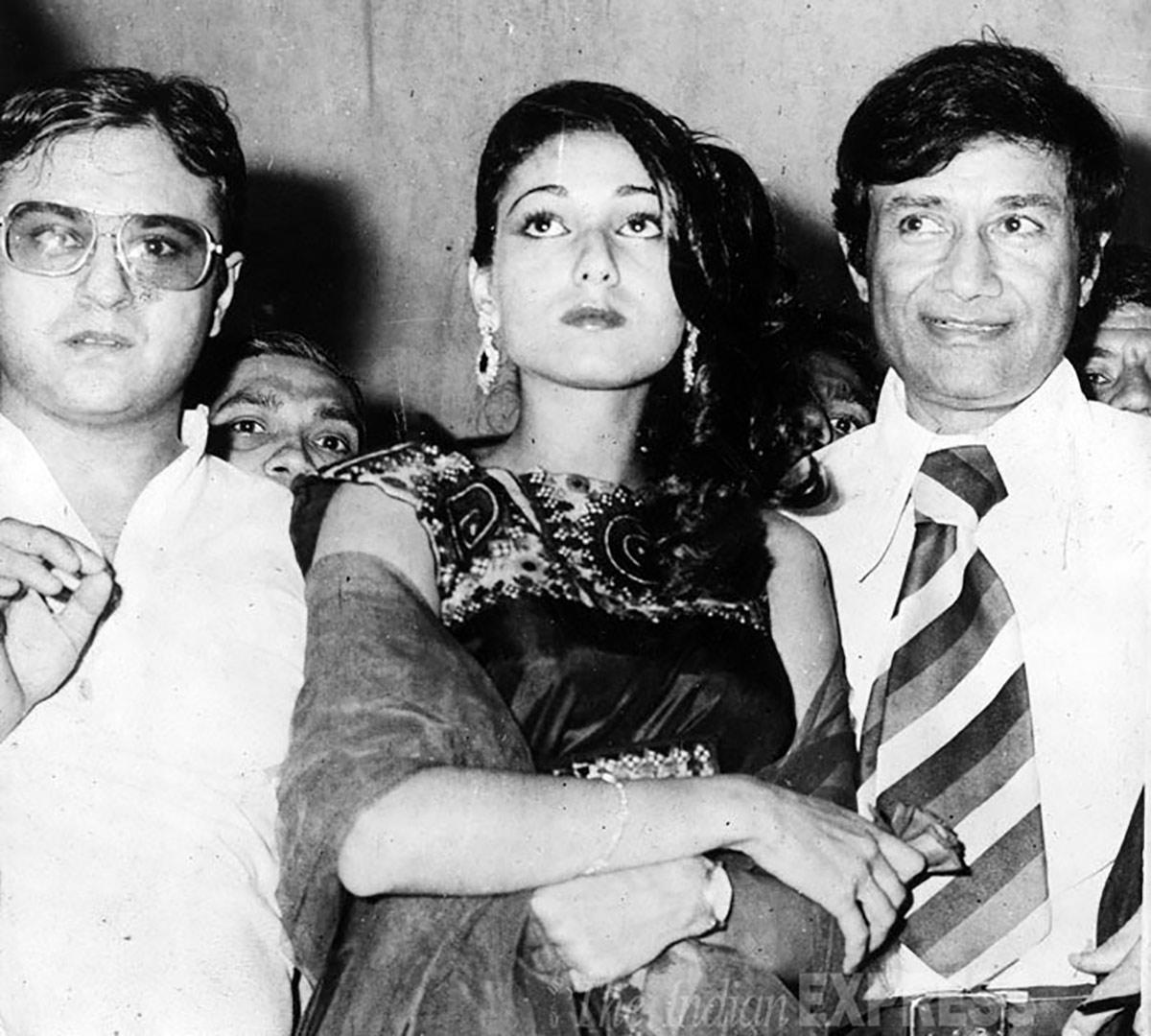
Chalte Chalte and Baton Baton Mein songs were written in the contemporary idiom. Was this linguistically old school song accepted in a big way?
Yes. It's one of my favourites. I still have people talking to me about it.
A lot of my songs have the usage of chaste Hindi like Pal bhar mein, ka karoon and this song.
In those days, great lyric writers like Sahir Ludhianvi, Majrooh Sultanpuri and Kaifi Azmi did, of course, write in Hindi but they were predominately Urdu poets.
Which is your favourite lyricist?
There are various writers whom I have admired over the years but the one who I admired the most was Shailendra.
This Lata-Kishore duet also asserts: Sangeet ka jo premi woh kismetwala hai. Do you believe that's true?
I do. Music plays a big part in my life.
I think anyone who's fortunate enough to appreciate music will agree.
Main Akela Apni Dhun Mein Magan
Man Pasand, 1980
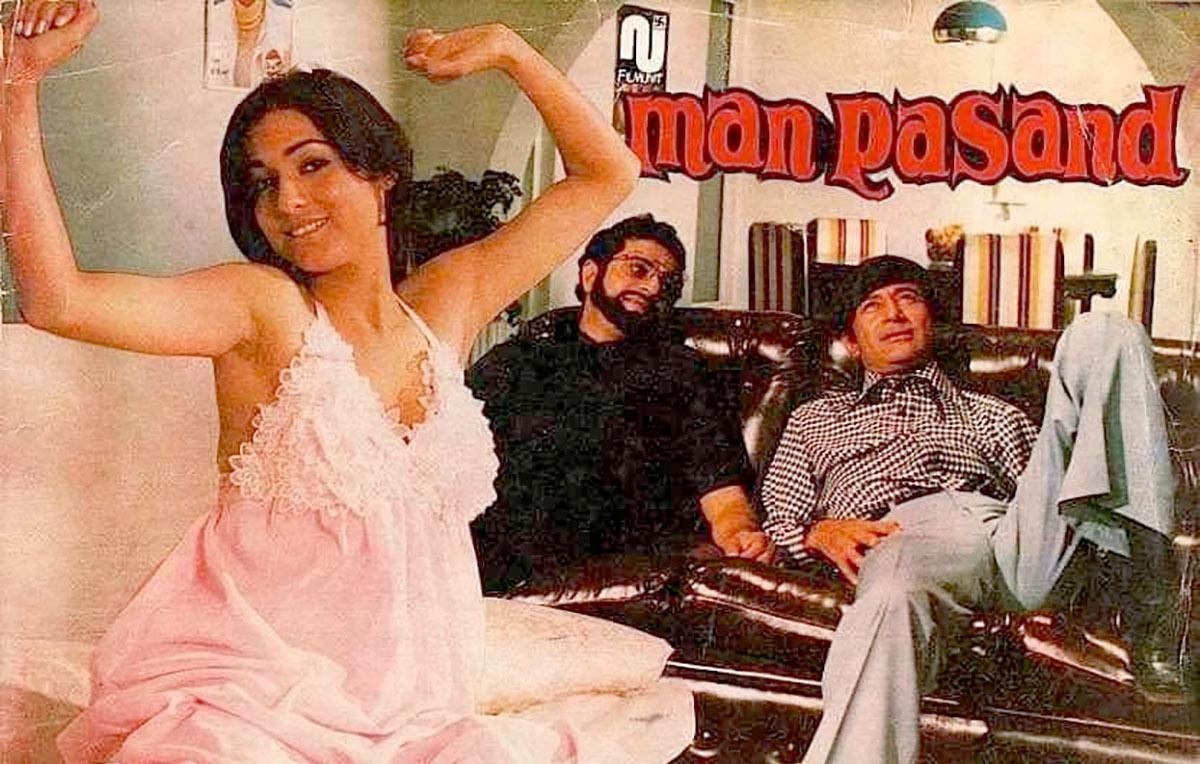
What prompted you to produce Man Pasand at the age of 30?
The story. I was fascinated by My Fair Lady.
I pitched the idea to Devsaab and Basuda and they liked it and agreed to act and direct it respectively.
I enjoyed writing Main Akela Apni Dun Mein Magan because it has a different format instead of the usual mukhda followed by antaras.
Jab Chhaye Mera Jaadoo
Lootmaar, 1980
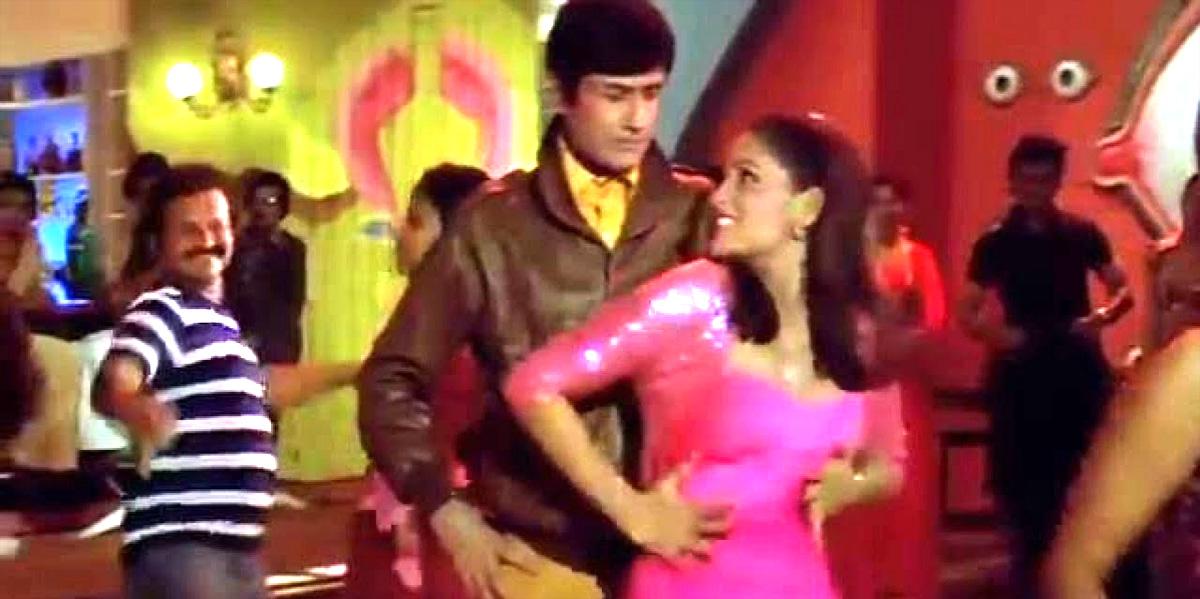
In this popular Asha Bhosle-Rajesh Roshan disco number, Dev Anand repeats the shot of Simple Kapadia jumping onto a table. Was it to save raw stock?
No. It was just a gimmick used by Devsaab.
Which song best transformed your words into visuals?
There's always room for improvement. Two creative people will seldom think the same way.
Ooie Ooie Ek Do Kehne Bhi Do
Star, 1982
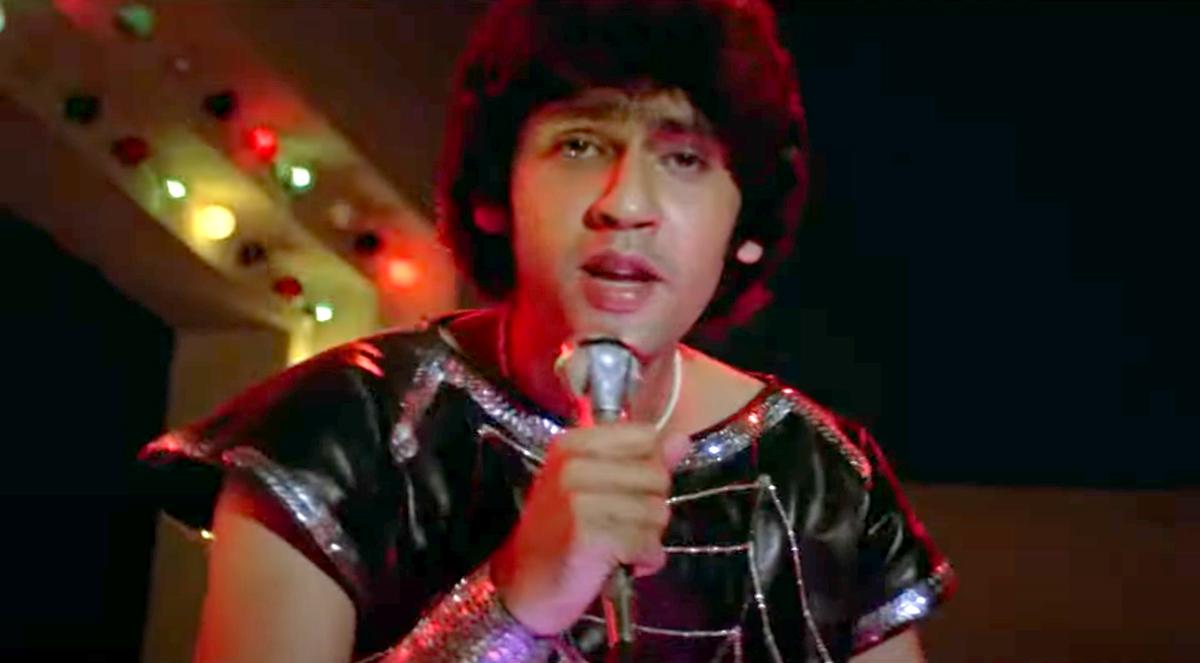
You did a lot of work with Aap Jaisa Koi sensation Nazia Hassan and her brother Zoheb besides the songs of Star.
I wrote two albums as well as shot music videos with them.
In fact, I shot the first music video in India, which was with Nazia and Zoheb for the album Young Tarang.
Good singers. Unfortunately, she passed away early.
As for Biddu, he didn't know much Hindi so we would use dummy words to get the songs of Star off the ground and replace them later.
Balam Kesariya
Bhairavi, 1996
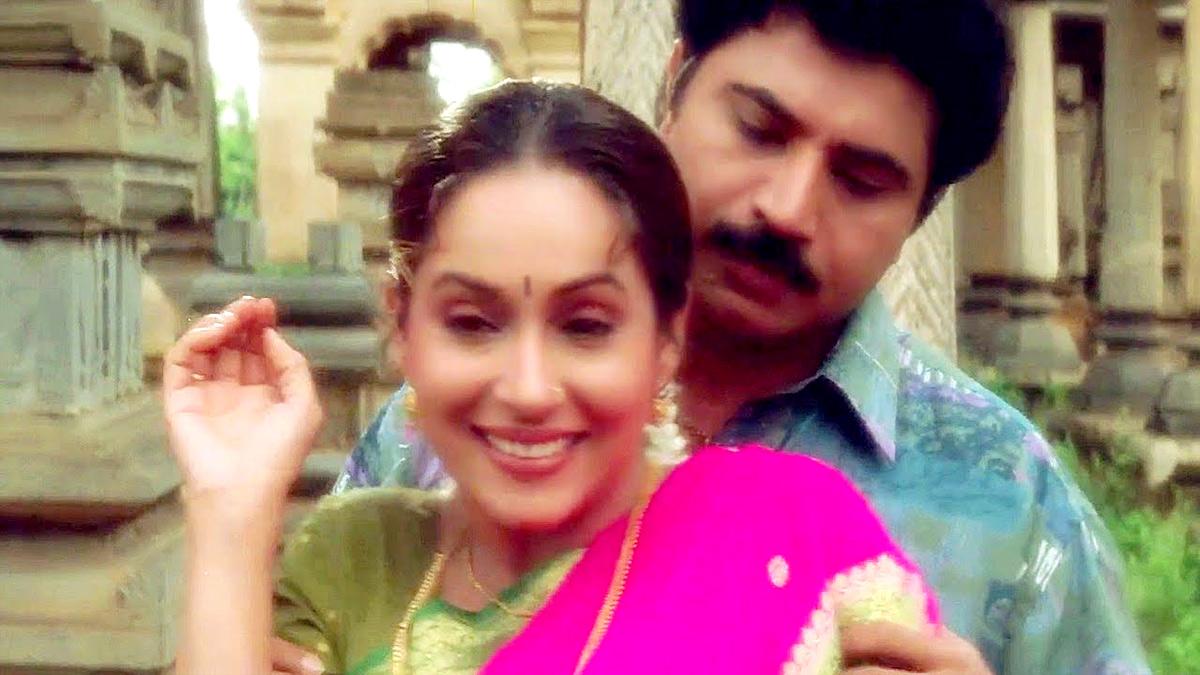
Despite penning many hits, why didn't you make a team with R D Burman or Laxmikant-Pyarelal?
I was doing so many things. Lyric writing was not the only thing which gave me a kick.
I finally did Bhairavi with Laxmikant-Pyarelal and got a National Award.
In fact, initially, I was writing the songs of 1942: A Love Story. I got Javedsaab because I was very busy those days.
Do you regret letting that opportunity slip?
No. He's done a great job. But I was there for all the sittings.






 © 2025