
Because of Mukesh's much-hailed association with Raj Kapoor, it is often overlooked that the singer has also scored hits with almost all major heroes.
On Mukesh's 102nd birth anniversary on July 22, Dinesh Raheja recalls some of his classic songs.
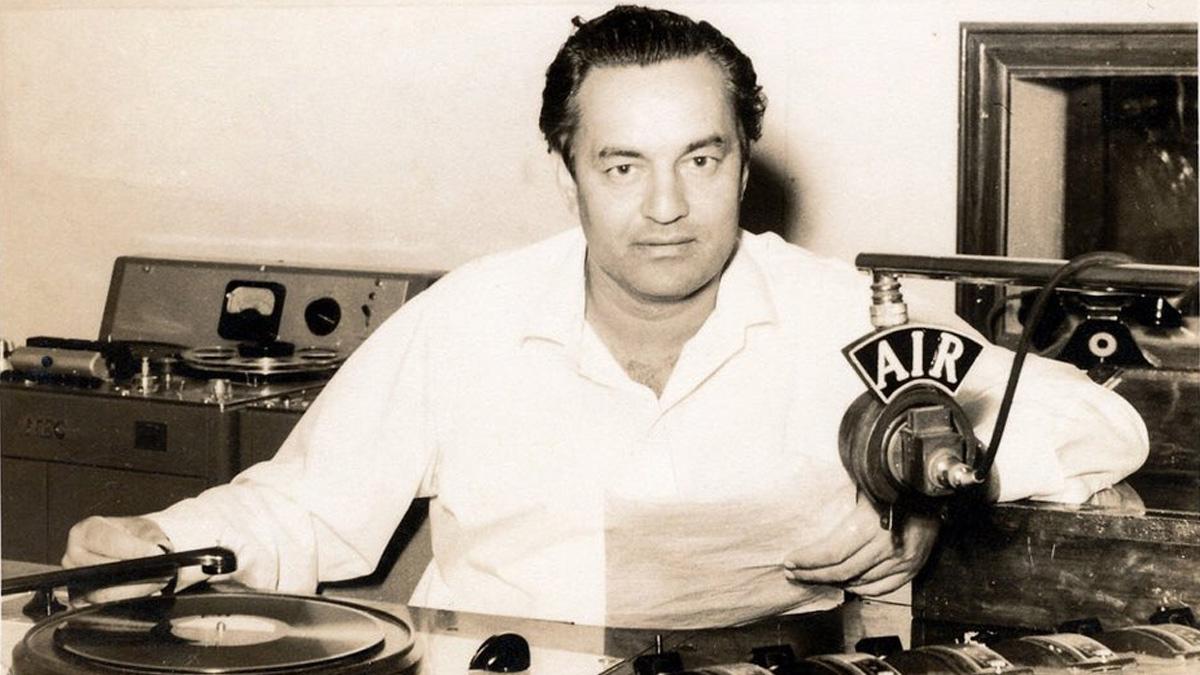
The much-celebrated jugalbandi between actor-filmmaker Raj Kapoor and playback singer Mukesh is one of the most iconic collaborations in Hindi films.
It has resulted in anthemic songs like Awara Hoon, the craze for which swept across Russia and the Middle East. Also, perennially popular are the artfully crafted Ramaiyya Vastavaiyya and the signature song for universal love, Kisi Ki Muskurahaton Pe Ho Nisar.
Anguish is encoded in Mukesh's voice even before you see Kapoor perform to Jeena Yahan Marna Yahan or Jane Kahan Gaye Woh Din or Aa Ab Laut Chalen or Dost Dost Na Raha Pyar Pyar.

Yet, despite his reputation for heartbreak ballads, Mukesh showcased a varied palette of musical hues in his RK films.
Yes, the singer was masterful at melancholy, he could precision engineer the amount of emotion expressed in his voice, never tipping over into maudlin sentiment; but he also had a flair for enlivening up-tempo numbers such as Bol Radha Bol or Mera Joota Hai Japani, both of which were Number 1 on the annual charts of the countdown show, Binaca Geetmala.
For an astonishing 30 years, the singer and the star stayed steadfastly on the same musical page -- from Zinda Hoon Is Tarah Ke Ghame-E-Zindagi (Aag, 1948) to Upar Jake Yaad Aai (from Naukri, 1978, released two years after Mukesh's demise).
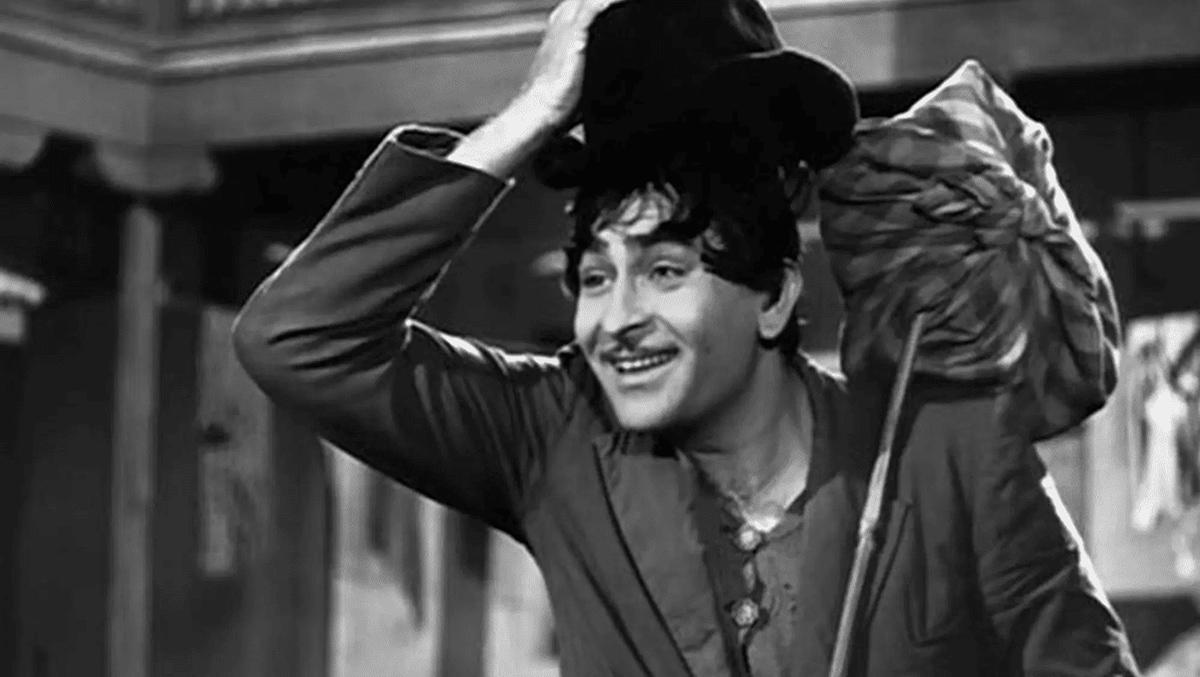
From being on the ascendant in the heady Barsaat (1949) days, they quickly scaled the peaks of creativity with Awara (1951), Aah (1953), Shri 420 (1955), Anadi (1959), Jis Desh Mein Ganga Behti Hai (1960), Sangam (1964) and Mera Naam Joker (1970).
Kapoor played a character role in Dharam Karam (1975) but still had Mukesh poignantly sing for him, Ek din bik jayega, mati ke mol jag me reh jayenge pyare tere bol.
No wonder Raj Kapoor famously lamented that he had lost his voice when Mukesh passed away the very next year.
Because of Mukesh's much-hailed association with Raj Kapoor, it is often overlooked that the singer has also scored hits with almost all major heroes.
Of course, it was just the occasional song with some unlikely names like Shammi Kapoor (Socha Tha Pyar Hum Na Karenge), Dharmendra (Baharon Ne Mera Chaman Loot Kar), Sunil Dutt (Sawan Ka Mahina Pawan Kare Shor) and Jeetendra (Hum Toh Tere Aashiq Hai).
What's worth exploring is how Mukesh did develop a strong alliance with a few major heroes, built on the bedrock of a steady spate of memorable songs.
Dilip Kumar

Notably, it was as Dilip Kumar's voice in Andaaz that Mukesh scored his first blockbuster film. The singer hit his stride with the Saigal-influenced Dil Jalta Hai To Jalne De (Paheli Nazar, 1945) but came into his own after singing for Dilip Kumar the romantic Gaye Ja Geet Milan Ke (Mela, 1948).
Then came Andaaz (1949)!
On screen, Dilip Kumar loves Nargis who loves Raj Kapoor.
As Dilip's voice, Mukesh breathed a thousand shades of the forlorn hope and despair that is baked into unrequited love in four immortal solos: Tu Kahe Agar, Jhoom Jhoom Ke Nacho Aaj, Hum Kahin Dil Kho Baithe and Toote Na Dil Toote Na.
The Raj-Mukesh and Dilip-Rafi teams had not yet crystallised so Composer Naushad made Mukesh sing for Dilip while Rafi lent his voice to Raj, to excellent results.
Thereafter, Mukesh sang for Dilip Kumar in one more 1940s film, Shabnam, but was increasingly becoming associated with Raj Kapoor instead.
Even as Awara Hoon was ruling the airwaves, Mukesh got bit by the acting bug and acted in two films as a hero: Maashuqa (1953, alongside Suraiya) and Anurag (1956, with Usha Kiron).
But Mukesh sidelined his playback career and even Raj Kapoor turned to Manna Dey for some of his Shri 420 (1955) numbers and all his songs in Chori Chori (1956).
When Mukesh finally gave up his acting dream and tried to resuscitate his playback career, the singer bounced back thanks to Raj Kapoor and, surprisingly, Dilip Kumar.
Mukesh bagged the opportunity to sing for Dilip in two 1958 biggies. Yahudi's Yeh Mera Deewanapan Hai proved popular while Madhumati was the biggest hit of the year with Mukesh's foot-tapping numbers, Suhana Safar Aur Yeh Mausam Haseen and Dil Tadap Tadap Ke, cannonballing the singer to the top tier once again.
Mukesh never sang for Dilip Kumar again. Not even in the 1970s when the actor tried on new voices like Kishore Kumar (Sagina) and Mahendra Kapoor (Gopi).
Manoj Kumar
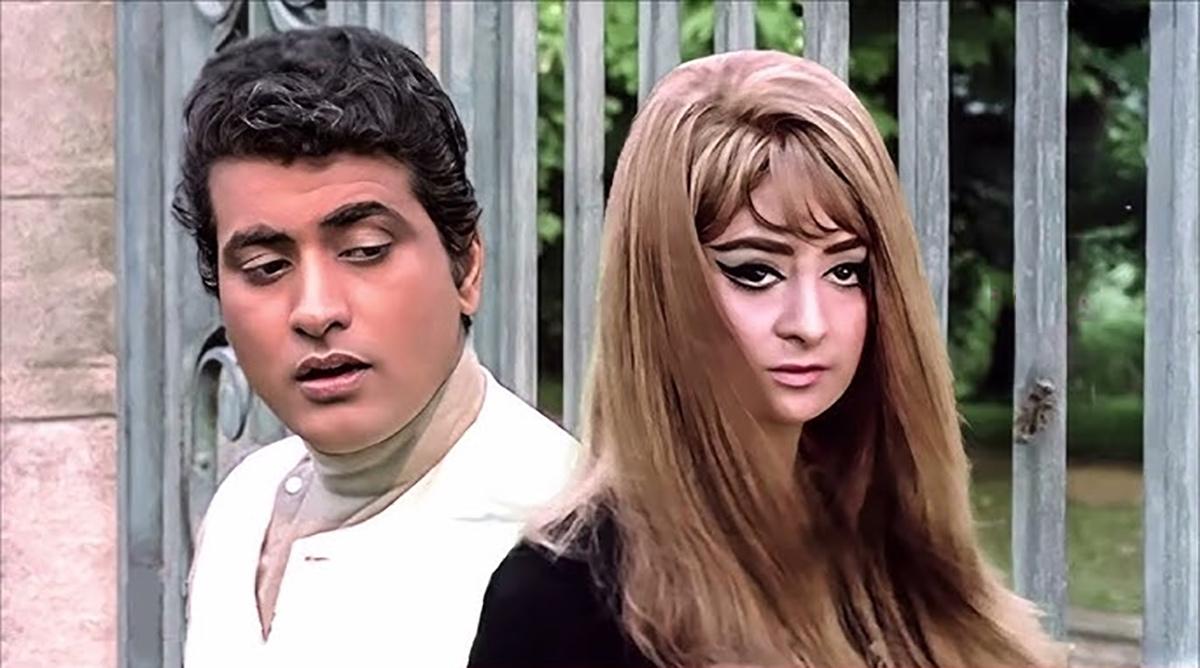
The seeds for Manoj Kumar's association with Mukesh were sown right at the onset. Mukesh sang for the actor's first hit film, 1962's Hariyali Aur Raasta (Teri Yaad Dil Se) and three melodious duets with Lata -- Bol Meri Taqdeer Mein Kya Hai, Ibtida-e-Ishq Mein, Lakhon Tare Aasman Mein).
Their collaboration was cemented by the success of Himalaya Ki God Mein (1965) serenades like Chand Si Mehbooba and Main Toh Ek Khwab Hoon.
Once Manoj Kumar turned director, he relied on Mukesh to strengthen the emotional appeal of songs such as Deewanon Se Ye Mat Poocho (Upkaar, 1967), Koi Jab Tumhara Hriday Tod De (Purab Aur Pachhim, 1970), Ek Pyar Ka Nagma Hai (Shor, 1972), and Main Na Bhoolunga (Roti Kapda Aur Kasam, 1974).
Their hits kept rolling in right till the end with Sanyasi (1975) and Dus Numbri (1976).
Fittingly, it was Mukesh's son Nitin Mukesh whom Manoj Kumar turned to for the evocative rendition of Zindagi Ki Na Toote Ladi in his next, Kranti (1981).
Feroz Khan
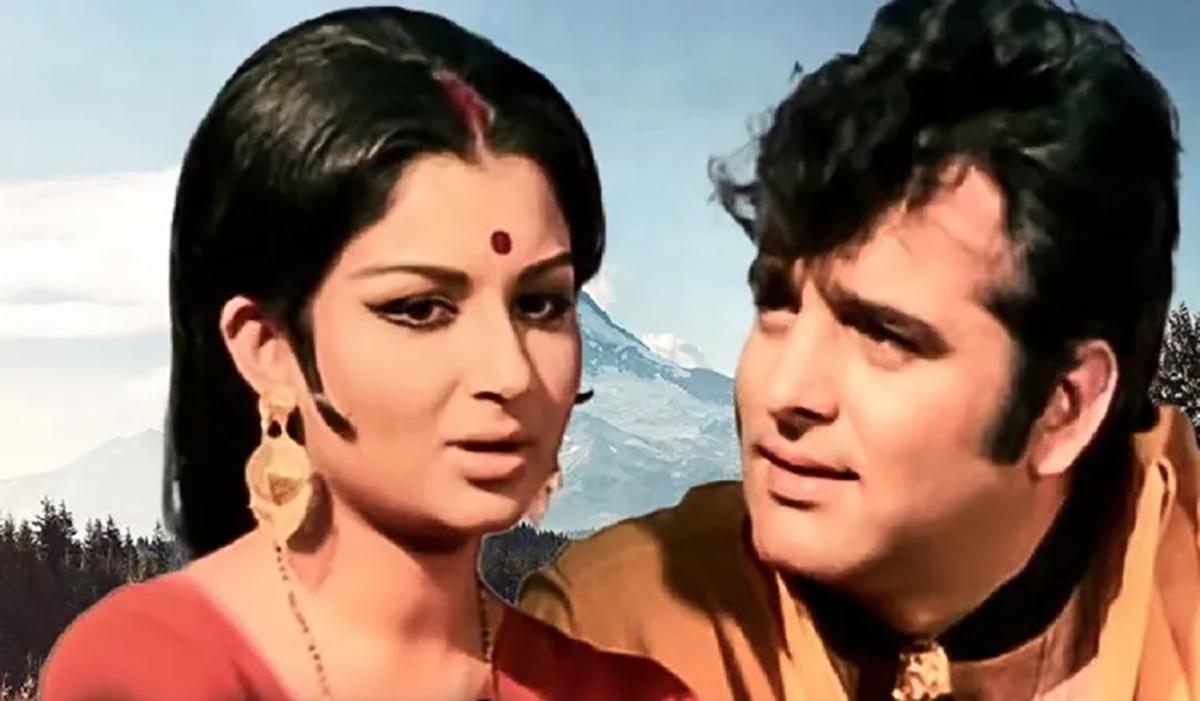
Masculinity interlaced with tenderness were the hallmarks of Mukesh's songs with Feroz Khan.
The rugged hero could project a rare vulnerability, when supported by Mukesh in 1970s songs like Jo Tumko Ho Pasand (Safar), Darpan Ko Dekha Tune (Upaasna), Mujhe Nahin Puchhani Tumase Biti Baatein (Anjaan Raahein) besides Kya Khoob Lagti Ho and Tumne Kisi Se Kabhi Pyar Kiya Ha (Dharmatma).
Rajesh Khanna
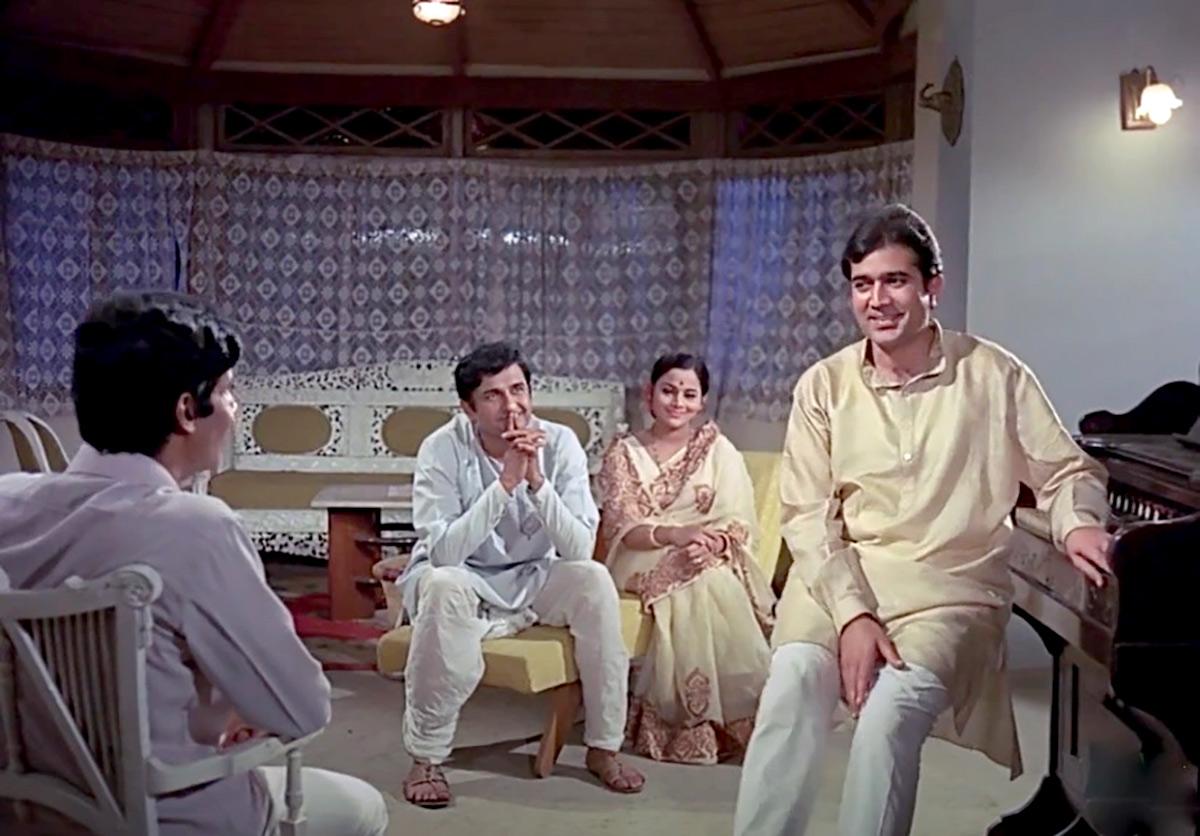
Mukesh sang Dil Sambhale Sambhalta Nahin for Rajesh Khanna in his first film, Raaz (1967). Subsequently, Rajesh Khanna became a superstar and was closely aligned with Kishore Kumar. Yet, Mukesh scored many memorable songs with Khanna.
After Raaz, Kalyanji-Anandji repeated this combination in two hits that showed off their range: Bandhan's boisterous Bina Badra Ke Bijuriya Kaise Chamke and Maryada's melancholic Zuban Pe Dard Bhari Dastan.
Anand (1971) is possibly Khanna's most acclaimed performance, and Mukesh helped the superstar establish the thematic mood with two pensive Salil Chowdhary gems: Kahi Door Jab Din Dhal Jaye and Maine Tere Liye Hi Saat Rang Ke Sapne.
R D Burman cottoned onto the potential of this pairing and employed Mukesh's vocals to express the gossamer-soft emotions in Kati Patang's Jis Gali Mein Tera Ghar Na Ho.
Laxmikant Pyarelal too enlisted Mukesh to counter Lata Mangeshkar's lyrical barbs in Prem Kahani's Phool Ahista Phenko. The result validated these talents' ability to create meaningful crowd-pleasers.
Amitabh Bachchan
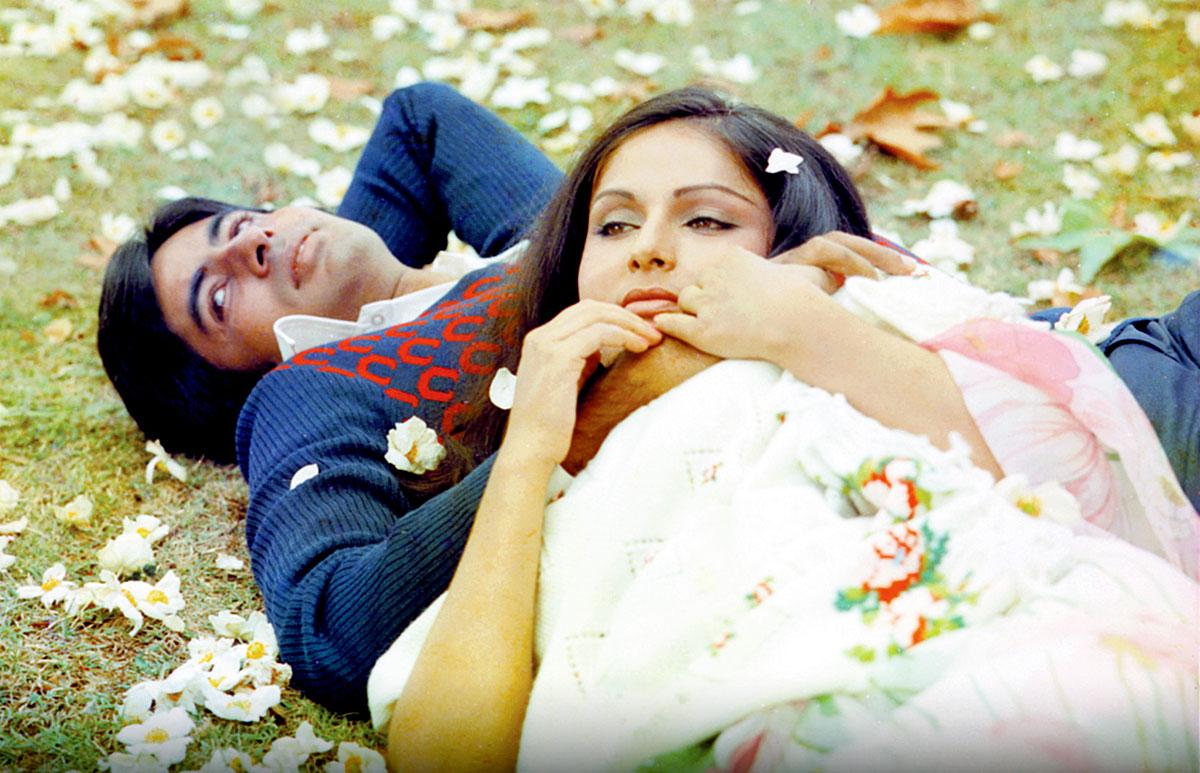
Mukesh's chartbuster Kabhi Kabhi Mere Dil Mein from Yash Chopra's Kabhi Kabhie (1976) is Amitabh Bachchan's first romantic song in a hit film. The actor's brooding roles in earlier successes Zanjeer and Deewar necessitated no songs, and Sholay had him lip-syncing only to Yeh Dosti.
Mukesh's deep voice matched Amitabh's impassioned style of speaking in Kabhi Kabhie songs such as Main Pal Do Pal Ka Shayar Hoon.
Another successful collaboration quickly followed with Adalat which had Mukesh singing Behna O Behna and Humka Aisa Waisa Na Samjho for Amitabh.
The year was 1976. Mukesh's career was cresting. He had won the National Award for Rajnigandha's Kai Baar Yun Bhi Dekha Hai.
He featured in an incredible five of the top 10 songs on the Binaca Geetmala countdown for the year.
That's when a fatal heart attack struck. Mukesh was only 53.
So many songs remained unsung.








 © 2025