
'I fell in love with Suraiya and that was my first real gafla.'
'The more I couldn't get her, the more I wanted her.'
'When I couldn't marry her because the world didn't want it, I cried for the first time.'

Dev Anand would have turned 102 on September 26.
His stardom was fuelled by his gung-ho spirit and by the wealth of goodwill he earned, not only for his repertoire of classic films but also for his amiable, easygoing personality.
Dinesh Raheja revisits an interview with the charismatic star, who graced our screens for over six decades, where he said, "I feel very deeply when my colleagues die but I don't attend many funerals. I can't cry when I am in front of people. I feel it is put on. I am essentially a loner."
Your status as a cinema legend is secure. Don't you ever feel like resting on your laurels and opting for an easy-paced life?
No. I will quit only if I am disabled.
When people say Dev Anand is a legend, I feel happy. But I am still competing -- as an actor, director, producer and scriptwriter -- with everybody today.
Would you call yourself a happy man?
I am happy, but I'm restless.
I am very selfishly contented as I am very involved with my movies.
I eat, drink, and sleep cinema.
I feel good because I've got a studio, a penthouse where I do my thinking.
I've got a house at Juhu (northwest Mumbai), I can travel whenever I feel like.
I read, conceive my plots and make my movies.
But I'm still on my journey to achieve something which is not yet with me.
Is that why you continue to make films?
Yes. My films have come out of my heart and my head.
Good, bad or indifferent.
Whether they're hits or flops or average, I don't care.
A thought of mine has gone out to the world... and that is a beautiful feeling.
Over the last half century on screen, Dev Anand has never been seen as anything but slender, while your contemporaries' physicality has changed. How have you pulled that off?
I've disciplined myself to be a shallow eater.
I enjoy eating but I'm not a glutton.
I don't drink or smoke, I never did.
It doesn't agree with me because I think if you have to project yourself on screen, you must be in as good a physical shape as possible.
I owe it to my career.
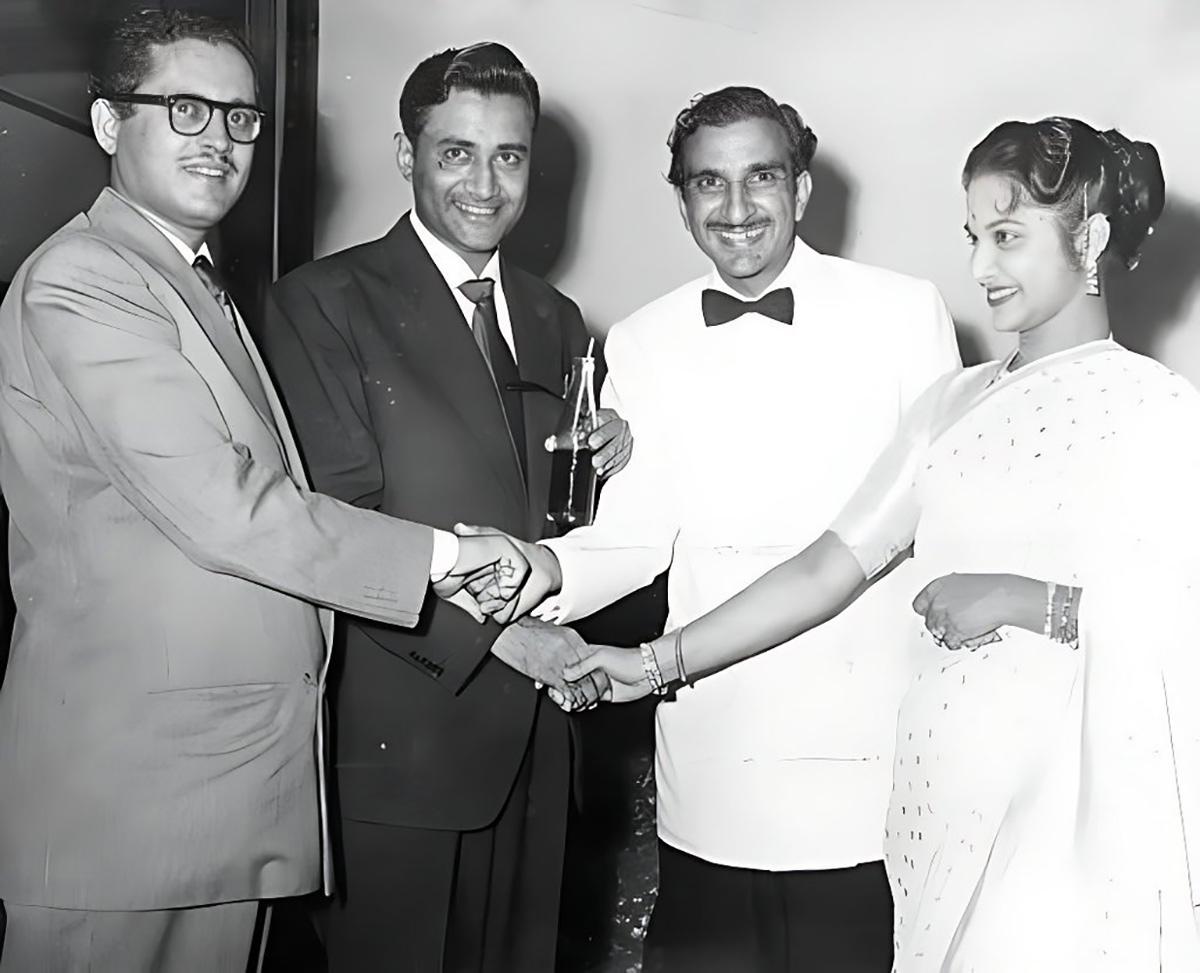
You have been called an Evergreen Star but one theory was that you keep your shirt collar tightly buttoned up to hide the aftereffects of face lifts.
That's been so right from the beginning, see my old pictures.
I know I'm not a muscled man with biceps and triceps who can flaunt his chest and his muscles.
My chest is not the chest of a wrestler.
Sometimes I do open up the buttons of my collar.
I have not undergone surgery or anything.
Another conception is that you are always energetic and positive. Is it possible?
I have tremendous energy. I draw all my energy from my work. My unit gets tired but I can go on and on. Energy begets energy.
You are that unique major star who attends his own phone calls.
Sometimes, when I call a colleague, I have to talk to five people before I can get him on the line!
Greatness is about being grounded and connected to people; being inaccessible is not stardom.
You see this telephone line? It rings and I pick it up. There are no secretaries.
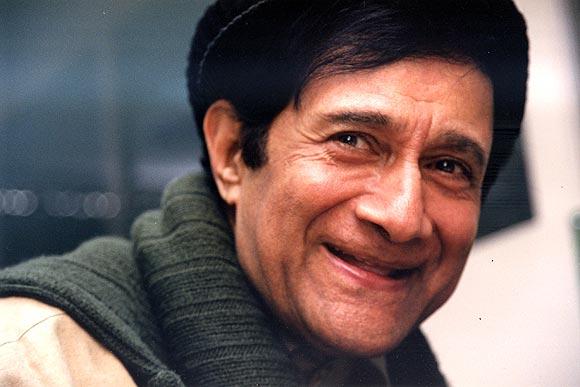
Would you say your eternally civilised image is on the mark?
Yes. I hate to be crude, abusive or adamant on any issue.
You've never seen me involved in a controversy.
I am in a beautiful profession, moviemaking, which has all forms of art in it.
There's no time for stupid things.
In my 60-year-long career, nobody can claim that Dev Anand ne mujhe dukh diya.
60 years! Do you remember yourself as a young man?
I came to Mumbai in 1943 with Rs 30.
I had the good fortune of doing my honours in English in one of the world's best colleges, the Government College, Lahore.
My father was a lawyer in Gurdaspur.
I was an average student and a very withdrawn boy.
I wanted to do my MA in literature but my father couldn't afford it.
I wanted to be in the movie business so I boarded the Frontier Mail and landed at Bombay Central.
After two to three years of struggle, I got a break from Prabhat Studios, Pune, with Hum Ek Hain (1946).
Once you became a star, you seemed to enjoy playing the anti-hero.
Yes, all the time -- Baazi, Jaal, Taxi Driver, Jewel Thief, even Guide. A role with slightly grey shades is more interesting than a goody-goody character.
Your production house Navketan made its mark with such new-fangled films.
Do you know distributors were not coming forward to buy Guide? They said it is a film about an adulteress, very risky.
When you are experimenting, there are chances of being disappointed. But if you strike the jackpot, you hit big.
I am not afraid because the philosophy expounded by my film Guide altered the very way I thought.
My character, Raju Guide, realises, 'Maut ek khayal hai, jaise ki zindagi ek khayal hai.'
Once you understand this philosophy, there is no rivalry, no fear.
You formed a fruitful creative collaboration with your younger brother Vijay Anand.
I miss my director Goldie (the late Vijay Anand).
Maine usse paala, bada kiya, usne mujhe direct kiya.
I handed over my personality to my younger brother.
I think my best films have been with my brother, Guide, Johny Mera Naam.
We formed a very strong team. He understood my style and personality, I understood his technique.
What has been your own personal experience with love?
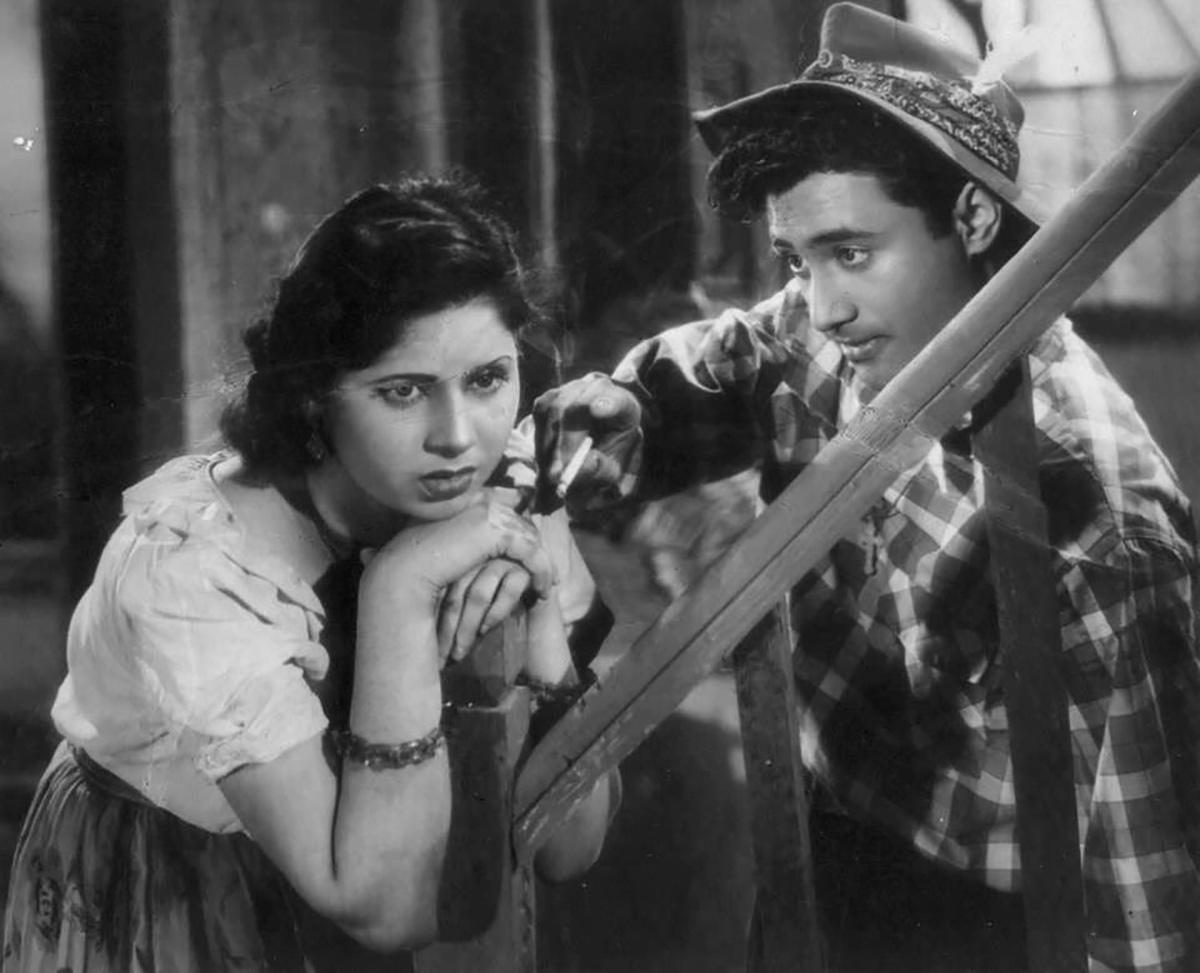
I fell in love with Suraiya and that was my first real gafla. I wanted to marry her.
The more I couldn't get her, the more I wanted her.
When I couldn't marry her because the world didn't want it, I cried for the first time.
Is it true that Suraiya threw your ring into the sea?
I don't know.
I never met her after we broke off.
But the story about her slamming the door on me when I went to meet her at her Marine Drive residence is definitely untrue.
Nobody has shut a door on me.
And then you got married.
Then I met Mona.
We had a secret marriage; we didn't make a fuss about it.
But the marriage has lasted.
We are together.
Of course, there are a lot of differences in opinion which happen in everybody's married life but she still lives in the same house.
She is my darling, my wife; as dear to me as my son and daughter.
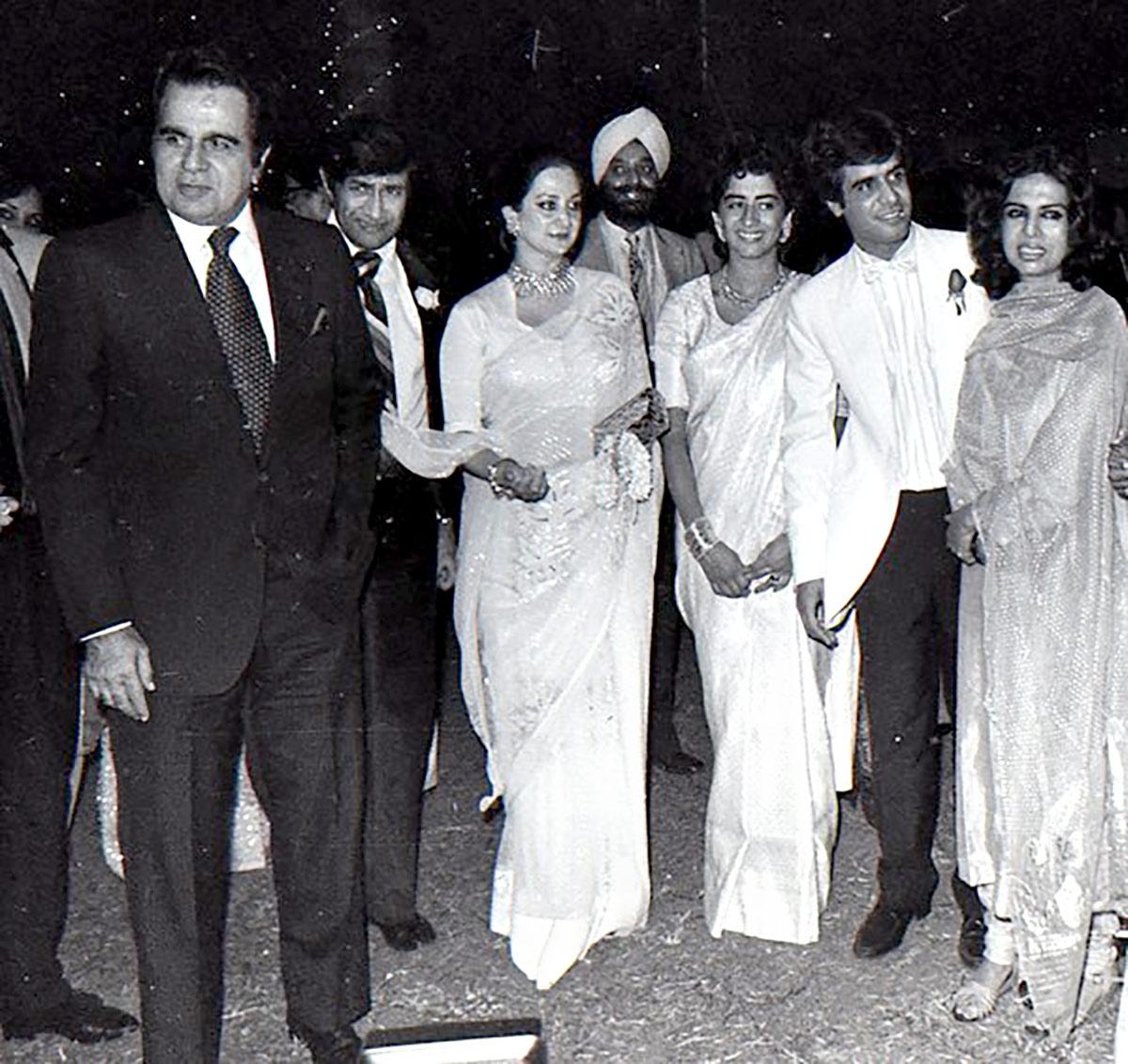
How competitive was the Dev Anand-Dilip Kumar-Raj Kapoor triumvirate?
Dilip Kumar, Raj Kapoor and I were all accepted by the audience in our own way. There was never any animosity, only healthy rivalry.
Des Pardes and Raj Kapoor's Satyam Shivam Sundaram were released together in 1978.
Yes, Raj cast Zeenat Aman in his film but I didn't mind.
I have never monopolised my leading ladies. That's not me.
I don't hold people back.
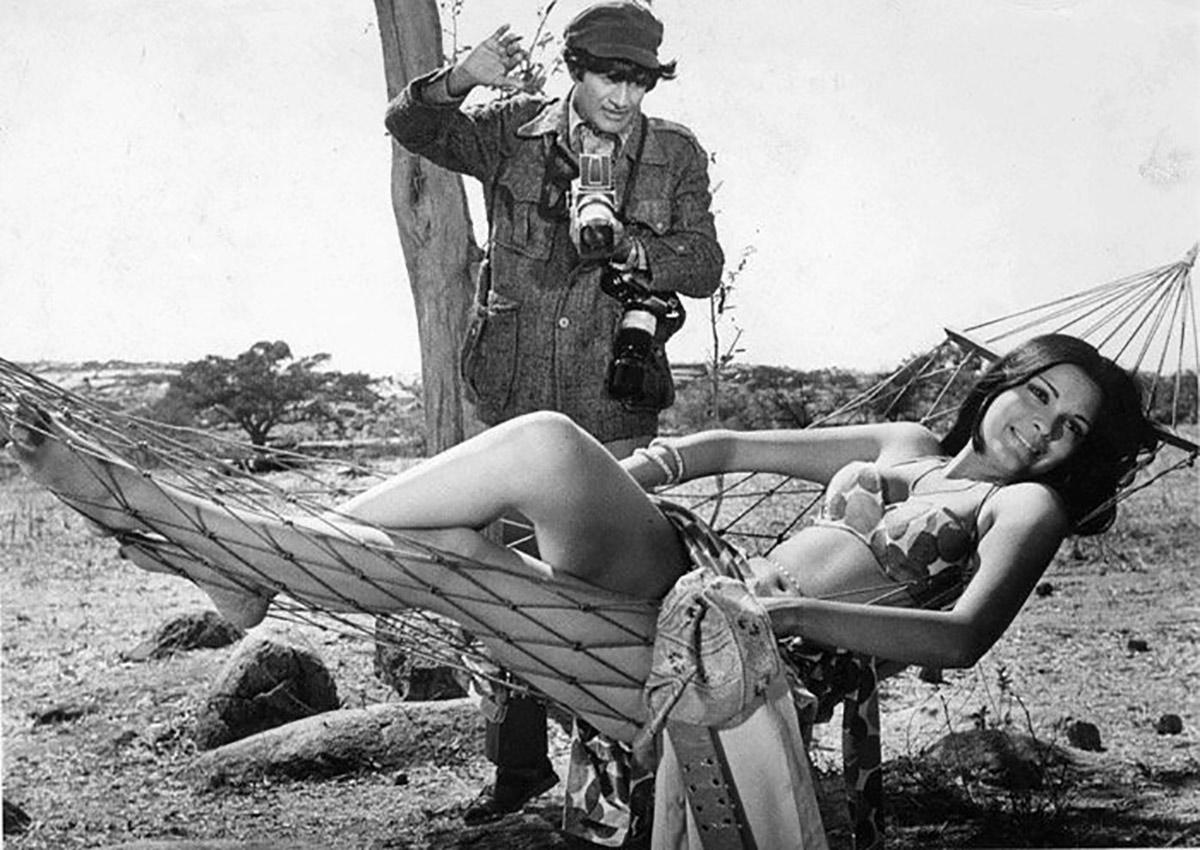
But you stopped casting Zeenat in your films thereafter.
There was no script for her.
I cast Tina Munim in Des Pardes. Then Tina went away. She started working in other movies.
They all started looking after their own careers. There's no bitterness. In fact, I respect them.
Name the five heroines who paired best with you.
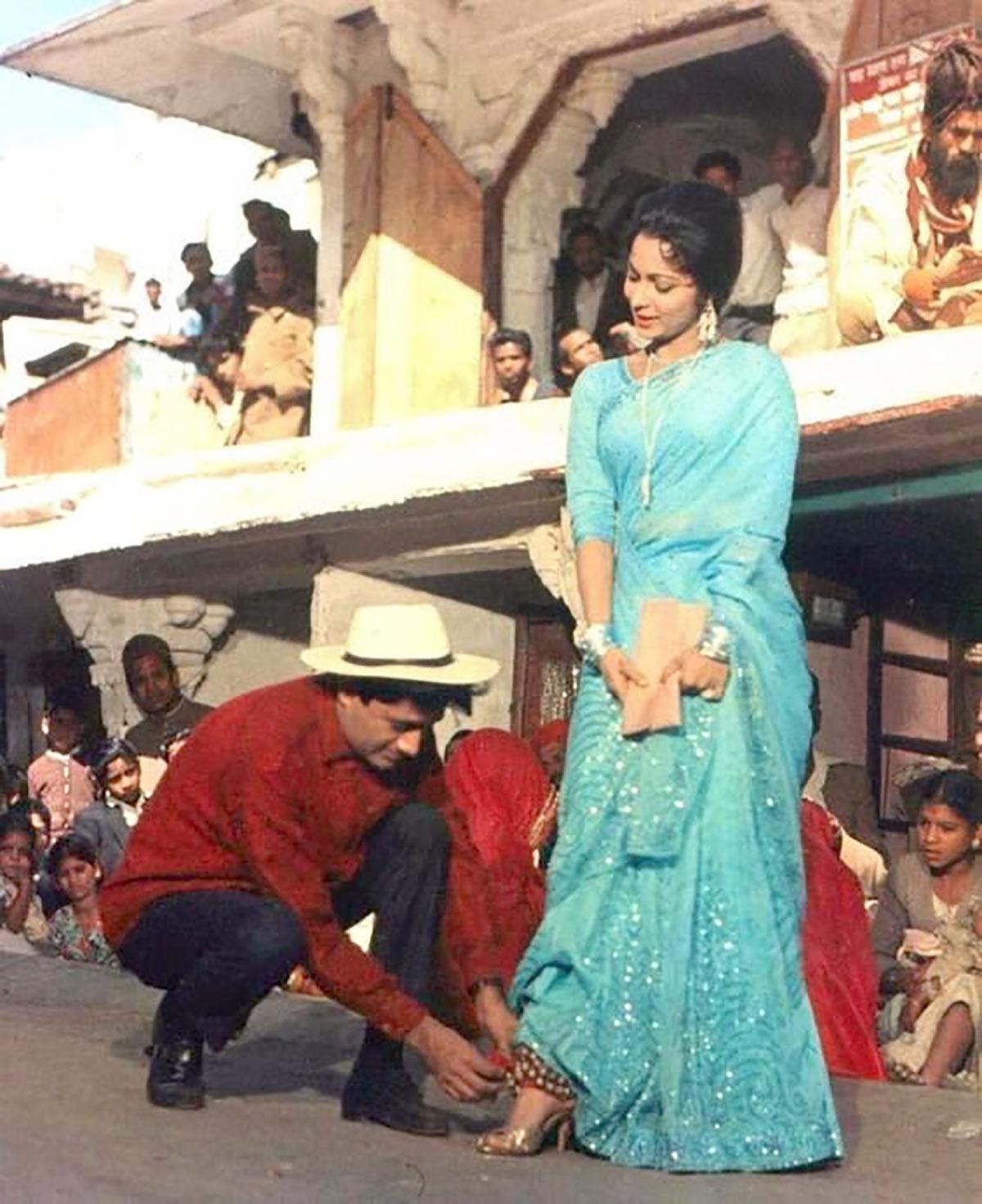
Hema Malini, Waheeda Rehman, Nutan, Zeenat Aman and Tina Munim.
What's your relationship with failure?
It upsets me temporarily.
When you make something for the world to see and the world doesn't accept it, you feel bad, but you cannot hang on to it.
There might be a bigger success in the future.
I am the kind who accepts a challenge.
People have two flops and they suffer from a heart attack. But I have treated each flop as a learning experience.
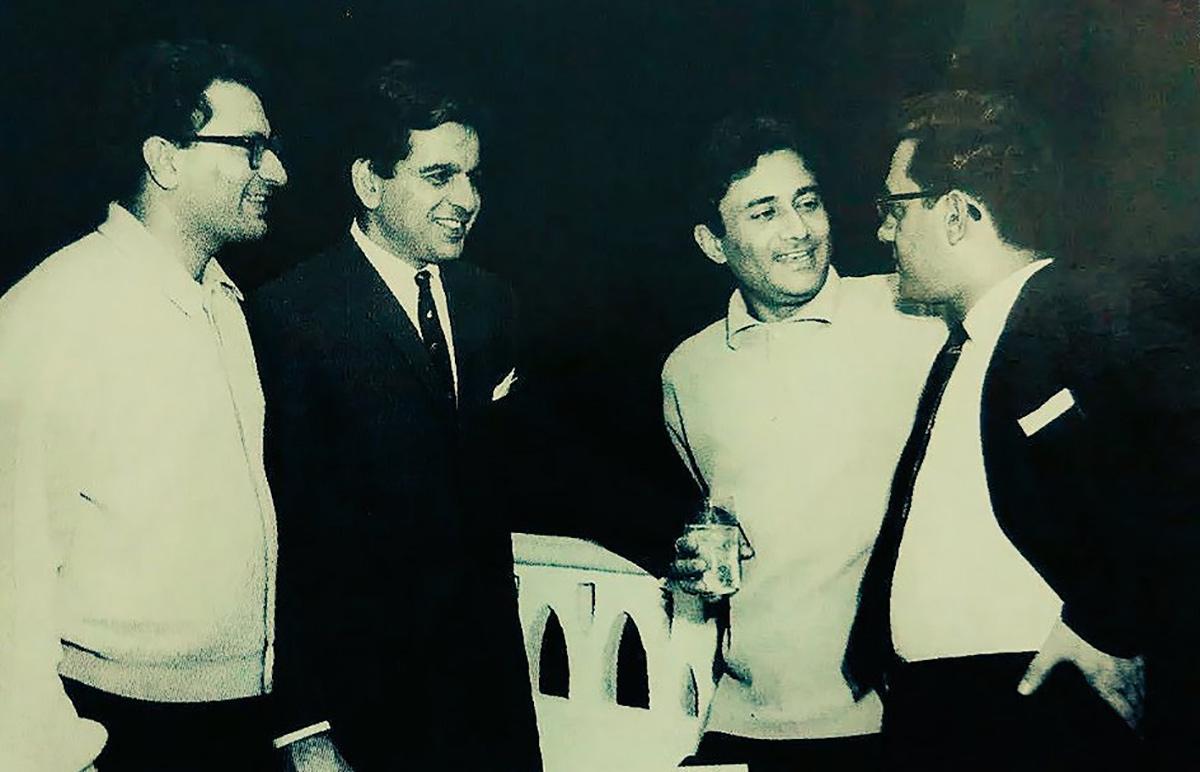
Are you an emotional man?
I cried a lot when my mother and Goldie died.
I cry when I am introspective.
I feel very deeply when my colleagues die but I don't attend many funerals.
I can't cry when I am in front of people. I feel it is put on.
I am essentially a loner.
Photographs curated by Satish Bodas/Rediff







 © 2025