
Unlike in the presidential polls, victory might not have been complete, at least as yet, for Mahinda Rajapaksa's electoral rivals. While his one-time aide and confidant, Maithripala Sirisena, became president without any issues after defeating him, incumbent Prime Minister Ranil Wickremesinghe, who again may not command an absolute majority in the 225-member parliament, would have to count on his 'national government' concept to carry the day and the nation with him, this time round, says N Sathiya Moorthy.

The SC ordered a halt to preparations for snap elections on January 5.

Sri Lanka President Maithripala Sirisena sacked Prime Minister Ranil Wickremesinghe and appointed former strongman Mahinda Rajapaksa as the new premier. Sirisena's move has triggered a constitutional crisis in the country. Here are some points about the unfolding crisis and the role of key players:

A double-quick analysis of the Lankan election results would show that the relatively narrow victory margin of challenger Maithripala Sirisena was made up by the three minority communities of Tamils, Muslims and Christians, says N Sathiya Moorthy.

Over 15 million voters are eligible to vote in the election being held under electoral districts-based proportional representation system.
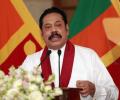
The parliament has approved a no-trust vote against Prime Minister Rajapaksa, speaker of parliament Karu Jayasuriya announced in the House.

Maithripala Sirisena was considered so meek and self-effacing that he appeared no threat to anyone. What a mistake his rivals made!
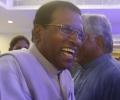
Maithripala Sirisena, Sri Lanka's president-elect, was a low-profile cabinet colleague of longtime president Mahinda Rajapaksa until he switched sides to become joint opposition candidate and emerge as the proverbial dark horse in the presidential polls.

Sri Lanka's main Tamil party on Sunday secured a landslide win in the historic provincial council polls held after a gap of 25 years in the former Tamil Tigers-ruled northern province, an outcome expected to give limited autonomy to the Tamils after the end of decades of ethnic war.
'We have nothing to gain by helping any other country to become a threat to India,' former Sri Lanka president Mahinda Rajapaksa, who is on the comeback trail, tells Rediff.com in an exclusive interview.

'The path to a resolution of the ethnic conflict is likely to be complicated and controversial with the majority Sinhalese community, and will become less likely if delayed.' 'It will certainly give Rajapaksa fresh political oxygen with which to revive himself and rally the opposition.'
 © 2026 Rediff.com - Investor Information - Advertise with us - Disclaimer - Privacy Policy - Sitemap - Feedback - About us - Terms of use - Grievances