
The agency recorded his statement under criminal sections of the Prevention of Money Laundering Act (PMLA), officials said.

From the 30-share blue-chip pack, ITC Hotels, IndusInd Bank, Mahindra & Mahindra, Sun Pharma, UltraTech Cement and NTPC were among the biggest gainers. Titan, Kotak Mahindra Bank, Nestle, Asian Paints, HCL Tech and ICICI Bank were among the laggards.
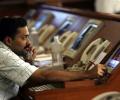
From the 30 blue-chip Sensex pack, Tech Mahindra, IndusInd Bank, Axis Bank, Mahindra & Mahindra, Tata Motors, Larsen & Toubro, State Bank of India, Tata Consultancy Services, UltraTech Cement and Reliance Industries were the biggest laggards. In contrast, JSW Steel, Nestle and Titan were the gainers.

Shares of Hyundai Motor India Ltd, the Indian arm of South Korean automaker Hyundai, on Tuesday made a muted market debut and further fell by nearly 6 per cent against the issue price of Rs 1,960. The stock listed at Rs 1,931, reflecting a decline of 1.47 per cent from the issue price on the BSE. Later, the stock made some recovery and hit a high of Rs 1,968.80, up 0.44 per cent.

The Enforcement Directorate on Thursday arrested former NSE MD Chitra Ramakrishnan in a money laundering case connected with alleged illegal phone tapping and snooping of stock exchange employees after getting the nod from a Delhi court to probe the matter. Special Judge Sunaina Sharma allowed four-day custodial interrogation of Ramakrishnan. The former NSE MD was produced in the court from jail on order passed by the judge earlier.

Equity benchmark indices Sensex and Nifty rallied for the third session on the trot, helped by a rally in global markets after lower-than-expected consumer inflation in the US ignited hopes of more rate cuts by the Federal Reserve. The 30-share BSE index climbed 318.74 points or 0.42 per cent to revisit 77,000 level at 77,042.82.

From the Sensex pack, Zomato, HDFC Bank, Tech Mahindra, Adani Ports, Tata Consultancy Services, ICICI Bank, Sun Pharma, Larsen & Toubro, HCL Tech and ITC were the major laggards. On the other hand, Tata Motors, Nestle, Titan, Hindustan Unilever and Reliance Industries were among the gainers.

The processing time for students applying under the Student Direct Stream (SDS) was significantly shorter and approval rates higher, something that will change after Canada ended the scheme on Friday.
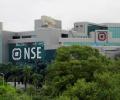
The mysterious Himalayan 'yogi' who allegedly advised Chitra Ramkrishna, former managing director and chief executive officer of the National Stock Exchange (NSE), on important matters of the bourse could be none other than Anand Subramanian, according to a letter written by former NSE chairman Ashok Chawla to the Securities and Exchange Board of India (Sebi). Subramanian was group operating officer of the NSE and advisor to Ramkrishna during 2015-16. He joined as chief strategic advisor in April 2013.
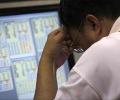
Investors' wealth tumbled by Rs 9 lakh crore on Friday, in tandem with a sharp decline in the domestic equity market, where the benchmark Sensex plunged 1,414 points following a bearish trend in global equities. Fresh tariff threats that ignited global trade war fears and relentless foreign fund outflows dented investor sentiment, analysts said.

From the 30-share blue-chip pack, Adani Ports dropped over 4 per cent. UltraTech Cement, Sun Pharma, IndusInd Bank, NTPC and Tata Steel were also the among the laggards. Nestle, ICICI Bank, Infosys, Tata Consultancy Services and HCL Tech were among the gainers.
The CBI arrested former National Stock Exchange CEO Chitra Ramkrishna in the co-location scam case on Sunday, officials said. Ramkrishna was arrested in Delhi and taken for medical checkup, they said. She was later lodged in lockup at the CBI headquarters, they said.

The Enforcement Directorate (ED) on Tuesday arrested former Mumbai police commissioner Sanjay Pandey in connection with a money laundering case linked to the alleged illegal phone tapping of NSE employees, officials said.

From 30 Sensex shares, Bajaj Finserv jumped nearly 8 per cent while Bajaj Finance soared over 6 per cent. Maruti, Titan, Mahindra, Mahindra & Mahindra, Infosys, HCL Tech, Zomato, UltraTech Cement and Kotak Mahindra Bank were the other major gainers. Sun Pharma emerged as the only laggard.

From the Sensex pack, Reliance Industries, Bajaj Finserv, HDFC Bank, Adani Ports, Maruti Suzuki India, Axis Bank, Hindustan Unilever, Sun Pharmaceuticals and Asian Paints were among the laggards. Reliance Industries fell the most by 2.38 per cent to close at Rs 1,171.10 apiece.

Among the 30-share Sensex blue-chip firms, NTPC, Hindustan Unilever, Tata Motors, Maruti, Larsen & Toubro, Reliance Industries, Asian Paints and State Bank of India were the biggest laggards. Bharti Airtel, IndusInd Bank, Tech Mahindra, Infosys, Adani Ports and Tata Consultancy Services were among the gainers.

Titan, Nestle, Hindustan Unilever, State Bank of India, Larsen & Toubro, ITC, Zomato and Bajaj Finserv were also among the laggards. Adani Ports, IndusInd Bank, Tata Motors and HDFC Bank were among the major gainers.

From the 30-share blue-chip pack, Mahindra & Mahindra, Zomato, Tata Motors, IndusInd Bank, Reliance Industries, Larsen & Toubro, UltraTech Cement, HDFC Bank, Adani Ports and Bajaj Finserv were among the major laggards. On the other hand, Hindustan Unilever, Tech Mahindra, Nestle, Bharti Airtel and ICICI Bank were among the gainers.

Among major Sensex gainers, Mahindra & Mahindra rose the most by 3.29 per cent. Adani Ports gained 1.26 per cent, Tata Motors by 1.14 per cent, and Axis Bank by 0.92 per cent. Nestle, NTPC, Reliance, ITC Titan, Kotak Bank, Infosys and TCS also gained. HCL Tech, Tech Mahindra, and ICICI Bank were the losers.
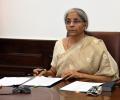
CBI has made substantial progress in the investigation into the NSE co-location case where markets regulator Sebi has found violations of norms by the stock exchange as well as some of its former top level employees, Finance Minister Nirmala Sitharaman said on Tuesday. The government and Sebi have received some complaints in the matter of NSE co-location. In a written reply to Rajya Sabha, the minister said that during the investigation into the matter, it was noticed that certain stock brokers got preferential access to the trading system.

Hyundai Motor India Ltd has become the country's fifth most valuable auto firm by market valuation in its debut trade on Tuesday. Shares of Hyundai Motor India Ltd, the Indian arm of South Korean automaker Hyundai, listed at Rs 1,931, reflecting a decline of 1.47 per cent against the issue price of Rs 1,960 on the BSE earlier in the day. The stock slumped 7.80 per cent to Rs 1,807.05 during the day and finally ended at Rs 1,820.40 apiece, down 7.12 per cent.
From the 30-share blue-chip pack, Tata Steel, NTPC, Kotak Mahindra Bank, IndusInd Bank, Power Grid, Zomato, Adani Ports, Asian Paints, Mahindra & Mahindra and Reliance Industries were among the biggest laggards. Titan and Sun Pharma were the only gainers.

Equity benchmark indices Sensex and Nifty rebounded sharply on Monday after five days of steep decline amid value buying at lower levels and a rally in global markets. Besides, hectic buying in blue-chip stocks ITC, HDFC Bank and Reliance Industries also helped in market recovery.

In an eventful week ahead, stock market investors will take cues from major events like the US Federal Reserve's interest rate decision, the upcoming Union Budget and Q3 earnings, analysts said.
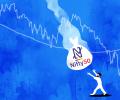
Equity benchmark indices are facing massive corrections, with the NSE Nifty declining over 14 per cent from its lifetime high hit in September last year due to several negative triggers like stretched valuations, foreign fund exodus, disappointing quarterly earnings and rising global trade tensions dragging markets lower. The BSE benchmark Sensex hit its record peak of 85,978.25 on September 27 last year, and the Nifty also reached a lifetime high of 26,277.35 on the same day.

From the 30-share Sensex pack, Bajaj Finance, Nestle India, Bajaj Finserv, Asian Paints, UltraTech Cement, Infosys, Maruti, Bharti Airtel and Hindustan Unilever were among the gainers. JSW Steel, Adani Ports, NTPC, State Bank of India, Reliance Industries, Tech Mahindra, Axis Bank, Titan and HDFC Bank were the laggards.

From the 30-share blue-chip pack, Bharti Airtel, Power Grid, Bajaj Finance, Nestle, Mahindra & Mahindra, Reliance Industries, Asian Paints, IndusInd Bank, Hindustan Unilever and HDFC Bank were the biggest gainers. Bajaj Finance climbed nearly 2 per cent after the company reported an 18 per cent increase in its consolidated net profit to Rs 4,308 crore for the December quarter.

Trading activity of foreign investors and global trends will be the major driving factors for the equity markets in a holiday-shortened week ahead, according to analysts. Leading stock exchanges BSE and NSE have declared a trading holiday on November 20 for assembly elections in Maharashtra. Elections to the 288-member state legislative assembly will be held on November 20, and votes will be counted on November 23.
From the 30-share blue-chip pack, IndusInd Bank, NTPC, UltraTech Cement, Sun Pharma, Axis Bank, State Bank of India, Tata Steel, Power Grid, Adani Ports and Kotak Mahindra Bank were among the major laggards. Tata Consultancy Services jumped nearly 6 per cent after the IT services company reported an 11.95 per cent jump in the December quarter net profit to Rs 12,380 crore. Tech Mahindra, HCL Tech, Infosys and Bajaj Finserv were the other big gainers.

From the 30-share Sensex pack, Adani Ports surged nearly 6 per cent. NTPC, Axis Bank, State Bank of India, Larsen & Toubro, UltraTech Cement, Tata Motors, HDFC Bank and Reliance Industries were the other big gainers. Bharti Airtel, ITC, Sun Pharma, Asian Paints and Kotak Mahindra Bank were the laggards.

From the 30-share Sensex blue-chip pack, Tata Steel, Zomato, Larsen & Toubro, Tata Motors, Adani Ports, Tata Consultancy Services, HDFC Bank and NTPC were the major laggards. Nestle, Hindustan Unilever, Mahindra & Mahindra, Kotak Mahindra Bank, Asian Paints and Bharti Airtel were among the gainers.
Equity benchmarks staged a comeback during the fag-end of trade on Wednesday, with the Sensex climbing over 214 points amid continuous foreign fund inflows and a largely positive trend in global markets. Buying in IT counters and Reliance Industries added to the momentum. In a volatile session, the 30-share BSE benchmark ended 214.17 points or 0.37 per cent higher at 58,350.53.

In the Sensex pack, 20 stocks ended in the red while 37 of the Nifty constituents closed the session with losses. NTPC was the biggest loser among the Sensex constituents, ending with a loss of 2.71 per cent.

UltraTech Cement was the biggest gainer in the Sensex chart, climbing 3.13 per cent, followed by Kotak Mahindra Bank, Tata Motors, Axis Bank, Maruti, Bajaj Finserv, Bajaj Finance and Mahindra & Mahindra. In contrast, Infosys, Tech Mahindra, Tata Consultancy Services, Wipro, Bharti Airtel, HCL Technologies, ICICI Bank and Nestle were among the laggards.

Equity benchmark indices Sensex and Nifty ended almost flat in highly volatile trade on Thursday amid the lack of any immediate trigger. The 30-share BSE Sensex dipped 5.43 points or 0.01 per cent to settle at 66,017.81. During the day, it hit a high of 66,235.24 and a low of 65,980.50.
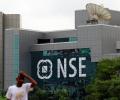
Retail investors have gained significant heft in the past year amid a sustained uptick in Indian equities. The share of retail investors in companies listed on the NSE reached an all-time high of 7.32 per cent in the quarter ended December 31, 2021, up from 7.13 per cent in the previous quarter and 6.9 per cent a year ago, the data from PRIME Infobase shows. This was despite the Nifty's 1.5 per cent decline during the quarter.

The Rs 6,560-crore initial public offer of Bajaj Housing Finance Ltd received 63.60 times subscription on September 11, the last day of bidding, amid overwhelming participation from institutional buyers. The initial share sale had a price band for the offer at Rs 66-70 per share.

Retail investors have been the hardest hit in the recent market downturn, with stocks where they hold over 20% falling 45% from their 52-week highs.

From the 30-share blue-chip pack, Adani Ports, UltraTech Cement, Larsen & Toubro, Sun Pharma, HDFC Bank, ICICI Bank, NTPC and State Bank of India were the major laggards. Tata Consultancy Services, Reliance Industries, ITC, Asian Paints, HCL Tech and Maruti were among the gainers.

Mukesh Ambani, accompanied by younger son Anant and younger daughter-in-law Radhika Merchant Ambani, were among the many celebrities who attended Devendra Fadnavis' swearing in at Azad Maidan on Thursday afternoon.
