
The chief of Bangladesh-based Harkat-ul-Jihad-al-Islami was on Tuesday sentenced to death along with two of his associates for a 2004 grenade attack on the then British envoy to Dhaka that killed three people. A trial court tribunal set up in Sylhet, 190 km northeast of Dhaka, sentenced HuJI leader Mufti Abdul Hannan and two other members of the terrorist outfit Shahid Shahidul Alam and Delwar Hossain Ripon to death by hanging.
Bangladesh based Harkat-ul-Jihad-al-Islami, a militant outfit responsible for a series of terror attacks in the country and India was trying to mobilise foreign funds by setting up a charity to carry out subversive activities under its garb.
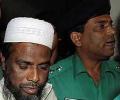
Eight Harkat-ul-Jihad al-Islami terrorists, including its chief, were sentenced to death by a Bangladeshi court on Monday for a 2001 bomb attack targeting Bengali new year celebrations that claimed 10 lives.

Fourteen Islamist militants were on Tuesday given death sentence by a Bangladeshi court here for attempting to kill Prime Minister Sheikh Hasina in 2000.
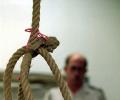
Bangladesh on Wednesday executed banned Harkat-ul-Jihad al-Islami chief Mufti Abdul Hannan and his two associates for a 2004 attack on a shrine that killed three people and wounded the British high commissioner at the time.

Sheikh Hasina's government has launched a relentless war against terrorism since the Dhaka cafe carnage in July 2016, but as Bangladesh's terror networks exploit new technologies and new tactics, the challenge to eliminate jihad gets tougher, points out Binodkumar Singh.
 © 2026 Rediff.com - Investor Information - Advertise with us - Disclaimer - Privacy Policy - Sitemap - Feedback - About us - Terms of use - Grievances