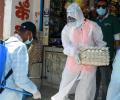
A bird flu outbreak caused by the H5N1 strain has been reported in Bokaro, Jharkhand, leading to the death of around 250 birds at a government poultry farm. The outbreak was confirmed on March 7, prompting authorities to cull 46 birds and destroy 506 eggs at the farm. A 1-km radius has been declared an affected zone, where birds will be culled, and a 10-km radius has been designated as a surveillance zone, prohibiting the sale and purchase of poultry. This outbreak comes roughly a month after a similar incident in Ranchi, where 5,500 birds were culled.
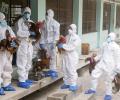
The Jharkhand government has sounded an alert after bird flu cases were reported at a veterinary college-based poultry farm in Ranchi. The Union Ministry of Fisheries, Animal Husbandry and Dairying has asked the state to take all measures to contain its spread. Around 150 Guinea fowls died over the past 20 days at the farm. The presence of H5N1, a type of avian influenza A virus, was confirmed in samples sent to the ICAR-National Institute of High Security Animal Diseases (NIHSAD) in Bhopal.

Three tigers and a leopard died of avian influenza at an animal rescue center in Maharashtra's Nagpur, prompting authorities to put zoos on alert. The animals had been relocated to the Gorewada Rescue Centre from Chandrapur following incidents of man-animal conflict. The big cats died at the end of December after showing symptoms including limping and fever.

The death of a 11-year-old boy due to 'bird-flu', even before the devastating effects of the second Covid wave have waned, has alarmed the medical fraternity though they assert that human-to-human transmission of H5N1 virus is extremely rare. The event has also put the Rs 90,000 crore domestic poultry industry which was seeing some uptick in demand after months of low sales last year into a spot of bother, as any curb on sale or production of eggs or chicken could have a devastating impact on its revenues. It is estimated that around 60 million people are directly impacted by the poultry sector in India. H5N1 virus, also commonly known as bird flu, is known to spread from chickens but other birds such as ducks and crow are also carriers of the virus.

A technique to 'crack-the-code' of the deadly H5N1 avian influenza virus had been developed by a team of researchers, led by Professor Mark von Itzstein at Griffith University Institute for Glycomics, Queensland, in collaboration with the Hong Kong University-Institute, said ScienceDaily.
Antibodies against the bird flu virus H5N1, derived from horses, prevent mice infected with the virus from dying.
The infected regions are Huayin city of Shaanxi and Anning city of Yunnan, in west China, the agriculture ministry said.
Most human cases have been traced to contact with sick poultry, but experts fear the virus could mutate into a form that is easily transmissible among humans, sparking a global pandemic.
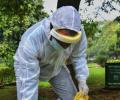
Delhi, Uttarakhand and Maharashtra on Monday confirmed bird flu cases, adding to the list of seven states -- Kerala, Rajasthan, Madhya Pradesh, Himachal Pradesh, Haryana, Gujarat and Uttar Pradesh -- which had already reported avian deaths due to the disease.
Fresh bird deaths were reported on Tuesday, including over 900 from Himachal Pradesh and Rajasthan, amid cases of avian influenza in 10 states and union territories, with the Centre saying it has issued advisories on testing and maintaining sufficient stock of PPE kits for culling operations.
More than 19,000 chicken and 13,300 emu birds are to be culled at the Central Poultry Development Organisation at Hesaraghtta in Bengaluru, where avian influenza (H5N1) had claimed over 3,600 turkeys over the last fortnight, a top official said on Monday.
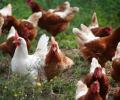
Farmers in the two states have reportedly begun culling chickens, while the state governments have restricted supply of chicken across their borders.

The COVID-19 vaccines can be "tweaked" to provide protection against new variants of the virus, All India Institute of Medical Sciences (AIIMS), Delhi, Director Dr Randeep Guleria said.
The bird flu virus has resurfaced in two blocks of West Bengal's Murshidabad district, prompting authorities to take up culling operations. The sale and consumption of poultry has been banned in the affected areas. The state ARD minister said that due to lack of awareness, all chicken in the affected areas may not have been culled when the virus broke out in the state in January.
Ducks, rice and human beings -- and not chickens are the "most significant factors" behind persistent outbreaks of bird flu, a new study has claimed. The study released by United Nations Food and Agriculture Organization (FAO) found ducks, rice and people not chickens to be the "most significant factors" in the spread of the bird flue in Thailand and Vietnam.
Even as the threat of swine flu continues, a fresh outbreak of the highly pathogenic avian influenza (bird flu) has been reported from West Bengal.About 20 backyard poultry birds were reported to have died on May 20 in the rural areas of Uttar Dinajpur in West Bengal, not far from the Assam and Bangladesh border.These birds were confirmed on May 25 to have died of the most virulent H5N1 strain of bird flu.
Three hundred chicks were reported dead at Baganbari village in Falakata area of Jalpaiguri. An FIR was lodged and samples from the poultry sent for testing the presence of the H5N1 virus.
Elder Pharmaceuticals has entered into a strategic alliance with UK's Medichem International to develop, manufacture and market advanced medical biosecurity products in India.
The fresh deaths in Malda come close on the heels of bird flu in Murshidabad district. The animal resources department of the state government has collected blood samples and sent them to Belgachia in Kolkata for testing. The police have said that although samples have been sent to check for bird flu, the deaths looked to be natural.
Fresh poultry deaths were reported from a farm in South 24-Parganas in West Bengal on Wednesday, raising fears that the dreaded H5N1 virus might be spreading to the organised sector after affecting backyard poultry. District health officials told PTI that there had been no instance of avian flu in the area earlier. Blood samples have been collected from the farm situated at Benerpukur, health officials said.

Around 35,000 to 40,000 chickens have died in Birbhum district alone.
''Over 3.50 lakh birds in Birbhum and 26,000 in South Dinajpur district will be culled from tomorrow,'' Animal Resources Development Minister Anisur Rahaman said on Tuesday.
According to a health department source in Imphal, so far close to 10,500 people were scanned by medical teams from over 1,700 households.
Some 5,500 birds had died in the farm, following which samples were sent for tests at a laboratory in Islamabad. The tests confirmed the presence of bird flu, officials said.
State Animal Resource Development Minister Anisur Rehman said that 1.65 lakh chickens were culled till Sunday, though it fell far short of the targeted figure, which has been raised to seven lakh from the previous target of four lakh. Bird flu spread to Bankura, the sixth district in the state and to seven blocks in Murshidabad and Burdwan districts, on Sunday. Poultry deaths were also reported from new areas, including Darjeeling and Coochbehar.
Officials at the Marghazar Zoo have started screening, disinfection and isolation of birds for early detection of the disease.
India's vibrant BPO and knowledge-based sectors may be adversely impacted if the Avian flu turns into a pandemic, Hong Kong-based security and risk management consultancy firm, Hill and Associates, warned on Tuesday.
The victim, identified only as Cheng (19) is now receiving treatment at an army hospital, China's Ministry of Health announced on its website.
The farms premises were disinfected after Ministry of Health sent teams to examine the workers and declared them healthy and free of infection.
The Maharashtra government on Saturday confirmed that bird flu had resulted in the recent deaths of chickens in Nandurbar and Dhule districts of the state.
Stressing that merely stockpiling antiviral medicines does not constitute a strategy, Annan said, currently, it is not known whether the present strain of avian flu will cause a human pandemic.
The ban on poultry imports will not be significant for the countries since only eggs are imported from India.
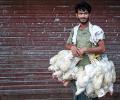
Since coronavirus broke out in a few cities in China and a couple of cases were spotted in India as well, rumours claimed for the first time that it was carried by birds.
Himachal Pradesh on Monday became the fourth state to report cases of bird flu after Rajasthan, Kerala and Madhya Pradesh, with officials confirming that migratory birds found dead at Pong Dam Lake in Kangra district have tested positive for the dreaded avian influenza.
Poultry prices are likely to start firming up in the next four weeks, when the examination season gets over and with the onset of summer in April.
 © 2026 Rediff.com - Investor Information - Advertise with us - Disclaimer - Privacy Policy - Sitemap - Feedback - About us - Terms of use - Grievances